

Introduction to Equipment and Structural Principles of Petroleum Coke Powder Pneumatic Conveying Sys
HeadPowder, a leading provider in the field of industrial material handling solutions, specializes in the design, manufacturing, and supply of advanced pneumatic conveying systems tailored for the transportation of petroleum coke powder. This article provides an overview of the key equipment involved in such systems and explains the fundamental structural principles that enable efficient and reliable material transport.
Company Profile and Expertise
Shandong HeadPowder Engineering Co., Ltd., commonly known as HeadPowder, is a reputable enterprise based in Shandong, China. With years of experience in the engineering and manufacturing of material handling equipment, the company has established itself as a trusted partner for industries requiring high-performance pneumatic conveying solutions. HeadPowder's commitment to quality, innovation, and customer satisfaction drives its continuous development of cutting-edge technologies for efficient material transport.
Key Equipment in Petroleum Coke Powder Pneumatic Conveying Systems
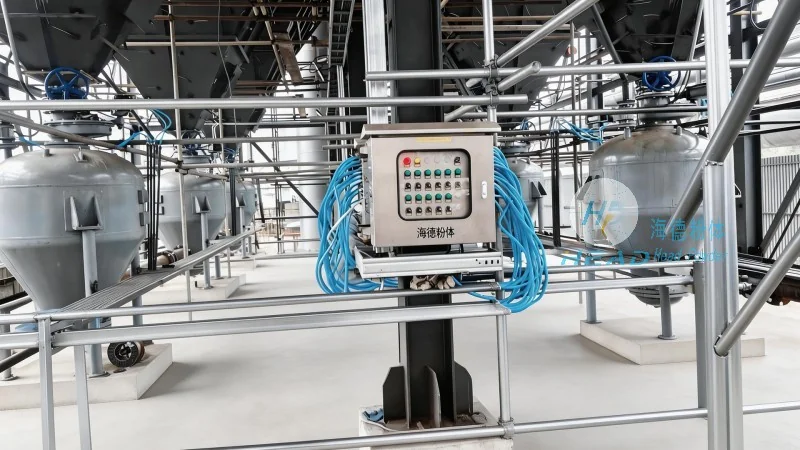
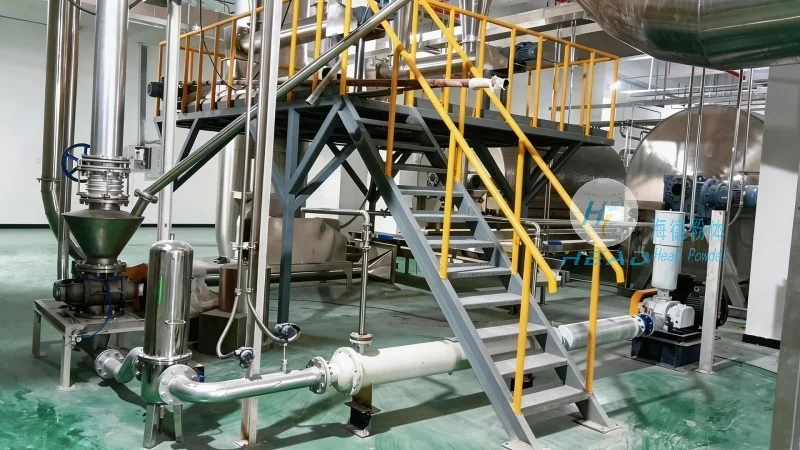
The petroleum coke powder pneumatic conveying system typically consists of several core components that work in tandem to ensure smooth and efficient material transport. These components include the material feeder, which is responsible for accurately metering and feeding the petroleum coke powder into the system. The feeder may be a rotary valve or a screw feeder, designed to handle the bulk material and maintain a consistent flow rate. The next critical component is the air compressor, which generates the necessary air pressure to move the material through the conveying line. The compressor is often equipped with filtration and drying systems to ensure the air quality is suitable for transporting the powder without causing degradation or contamination. The conveying line itself is usually made of high-quality metal or plastic pipes, with appropriate fittings and elbows to direct the material flow. The system may also include a dust collector or filter to capture any particles that escape during the conveying process, ensuring environmental compliance and maintaining system efficiency. Additionally, a control system is integrated to monitor and regulate the operation of the entire system, allowing for real-time adjustments and optimization of the conveying process.
Structural Principles of Pneumatic Conveying for Petroleum Coke Powder
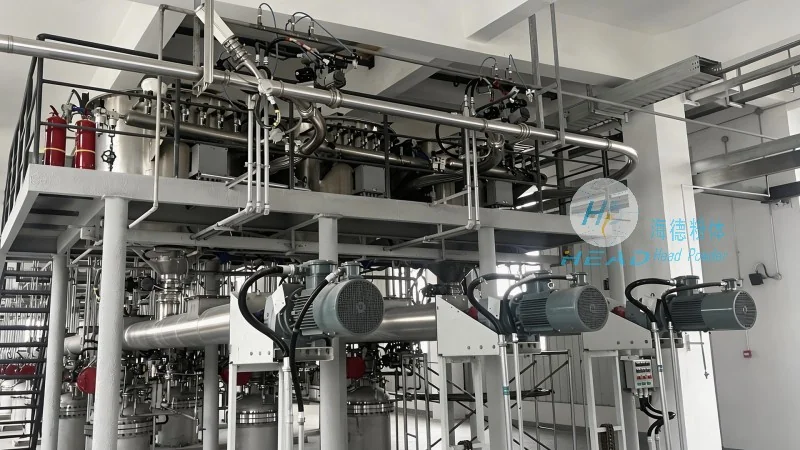
The structural principles underlying petroleum coke powder pneumatic conveying systems are based on the fundamental physics of fluid dynamics and particle transport. The primary mechanism is the use of air as a carrier medium, where the material is suspended and transported through the conveying line by the air flow. The system operates under either positive pressure or negative pressure (or a combination of both), depending on the specific application and material characteristics. In positive pressure systems, the air compressor pressurizes the entire conveying line, pushing the material forward. In negative pressure systems, the air is drawn out of the line, creating a vacuum that pulls the material in. The choice between these systems depends on factors such as the distance of transport, the material's density, and the required flow rate. The design of the conveying line, including the diameter and length, is critical to maintaining the appropriate air velocity to keep the powder suspended and prevent blockages. The air velocity must be sufficient to overcome the gravitational forces acting on the particles but not so high as to cause excessive wear on the equipment or excessive energy consumption. The system's structural integrity is also crucial, as it must withstand the pressure differentials and the abrasive nature of the petroleum coke powder, which can cause wear and tear over time. Proper maintenance and regular inspection of the components are essential to ensure the system operates efficiently and reliably, minimizing downtime and maximizing material throughput.
Application and Benefits of Petroleum Coke Powder Pneumatic Conveying Systems
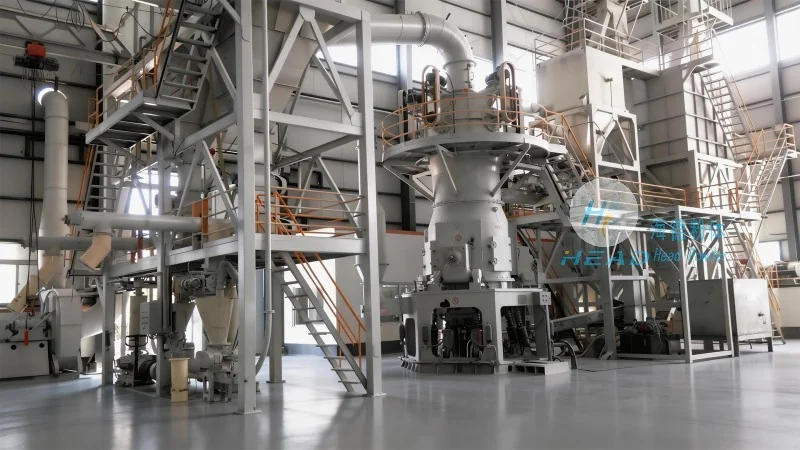
Petroleum coke powder pneumatic conveying systems are widely used in various industrial applications, including the petrochemical industry, steel production, and power generation. These systems are particularly advantageous for transporting petroleum coke powder due to its high density and abrasive nature, which makes traditional mechanical conveying methods less effective and more prone to maintenance issues. The pneumatic conveying system offers several benefits, including high material throughput, reduced labor costs, and improved safety by eliminating the need for manual handling of bulk materials. The system also minimizes material loss and contamination, as the enclosed conveying line prevents dust and particles from escaping into the environment. Additionally, the flexibility of the system allows for easy integration with existing production lines and the ability to transport materials over long distances without the need for intermediate storage or handling. The efficiency of the system is further enhanced by the use of advanced control systems, which optimize the air pressure and flow rate to match the material requirements, resulting in energy savings and reduced operational costs. Overall, the petroleum coke powder pneumatic conveying system provides a reliable and efficient solution for the transportation of this critical industrial material, contributing to improved productivity and operational performance in various industries.