

Introduction to the Pneumatic Conveying System for Sodium Sulfate Powder and Its Structural Principl
The pneumatic conveying system for sodium sulfate powder is a specialized industrial solution designed to efficiently transport bulk solid materials like sodium sulfate. This system is engineered to handle the unique properties of sodium sulfate powder, ensuring reliable and safe material transfer in various industrial applications. As a key component in material handling processes, the system combines advanced engineering with practical design to meet the demands of modern manufacturing and processing industries.
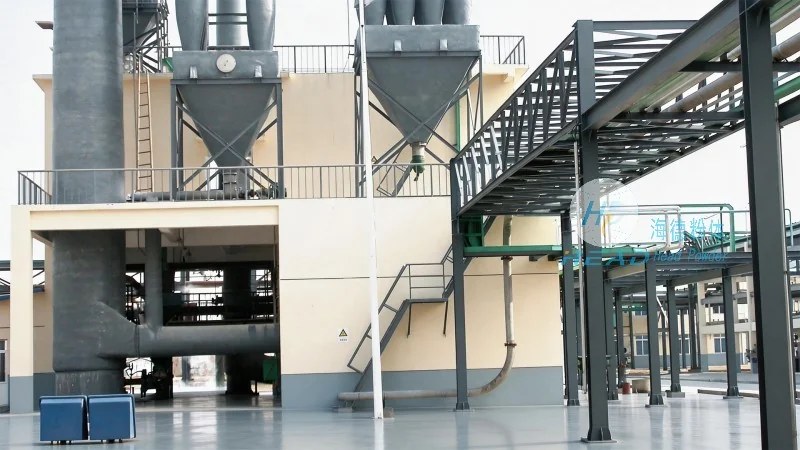
HeadPowder, a leading provider in the field, offers a comprehensive range of pneumatic conveying systems tailored to the specific needs of sodium sulfate powder handling. The company, based in Shandong, China, leverages years of expertise to develop solutions that enhance operational efficiency and product quality. The system's design incorporates robust components that can withstand the abrasive and corrosive nature of sodium sulfate, ensuring long-term durability and minimal maintenance.
Structural Components and Working Principle
The pneumatic conveying system for sodium sulfate powder typically consists of several core components, each playing a critical role in the material transport process. The main structural elements include the hopper, which serves as the storage and feeding unit, the conveyor line (either positive or negative pressure), the air supply system, and the control panel. The hopper is equipped with a feeding mechanism, such as a rotary valve or a screw feeder, which regulates the flow of sodium sulfate powder into the system. This ensures a consistent and controlled feed rate, preventing blockages and maintaining system stability.
The conveyor line is the central part of the system, responsible for transporting the sodium sulfate powder through the air stream. In a positive pressure system, high-pressure air is introduced into the hopper, creating a flow of air and powder mixture that moves through the pipeline to the discharge point. Conversely, a negative pressure system draws air and powder from the hopper into the pipeline using a vacuum or suction mechanism. The choice between positive and negative pressure depends on factors such as the distance to be covered, the material characteristics, and the desired flow rate. For sodium sulfate powder, the system is often designed as a positive pressure system due to its ability to handle longer distances and maintain consistent flow.
The air supply system is crucial for generating the necessary pressure or vacuum to drive the material. It includes a blower or a vacuum pump, which provides the airflow required to move the powder. The system may also incorporate filters and cyclones to separate the powder from the air, ensuring that the discharged material is clean and free from dust. This separation process is vital for maintaining product purity and preventing contamination in downstream processes.
Advantages of the Pneumatic Conveying System
Implementing a pneumatic conveying system for sodium sulfate powder offers several significant advantages over traditional material handling methods. One of the primary benefits is the ability to transport the material in a closed system, which minimizes dust emissions and improves workplace safety. This is particularly important for sodium sulfate, as it can be a respiratory irritant if inhaled in large quantities. The closed system also helps maintain product quality by preventing contamination from external sources and reducing the risk of moisture absorption.
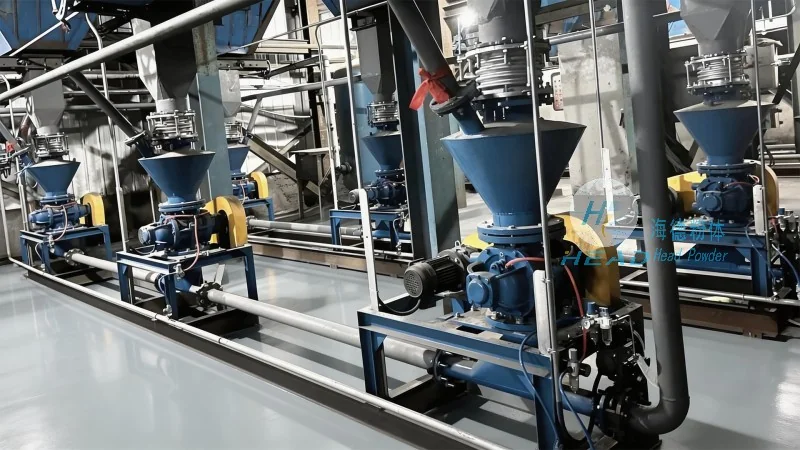
Another key advantage is the system's flexibility in handling varying material flow rates and distances. Unlike mechanical conveyors, which may require multiple components and adjustments for different distances, the pneumatic system can be easily scaled to accommodate changes in production volume or facility layout. This adaptability makes it suitable for both small-scale and large-scale operations, providing a cost-effective solution for businesses of all sizes.
The pneumatic conveying system also reduces labor costs and operational downtime. By automating the material transport process, the system minimizes the need for manual handling, which can be hazardous and time-consuming. Additionally, the system's design allows for easy integration with other processing equipment, such as mixers or reactors, creating a seamless workflow from material intake to final product output. This integration enhances overall operational efficiency and streamlines production processes.
Application and Customization
The pneumatic conveying system for sodium sulfate powder is widely used in various industries, including chemical manufacturing, food processing, and pharmaceuticals. Its versatility allows it to be adapted to different production environments and requirements. For example, in chemical plants, the system can be used to transport sodium sulfate from storage silos to reaction vessels, ensuring a continuous supply of raw material. In food processing facilities, the system may be employed to transfer sodium sulfate from bulk storage to packaging lines, maintaining hygiene and product integrity.
HeadPowder specializes in customizing pneumatic conveying systems to meet the specific needs of each client. The company works closely with customers to understand their operational requirements, material characteristics, and facility constraints. Based on this information, HeadPowder designs and manufactures a system that optimizes performance, reliability, and cost-effectiveness. The customization process includes selecting the appropriate conveyor type (positive or negative pressure), determining the optimal air flow rate, and integrating necessary accessories such as filters and cyclones.
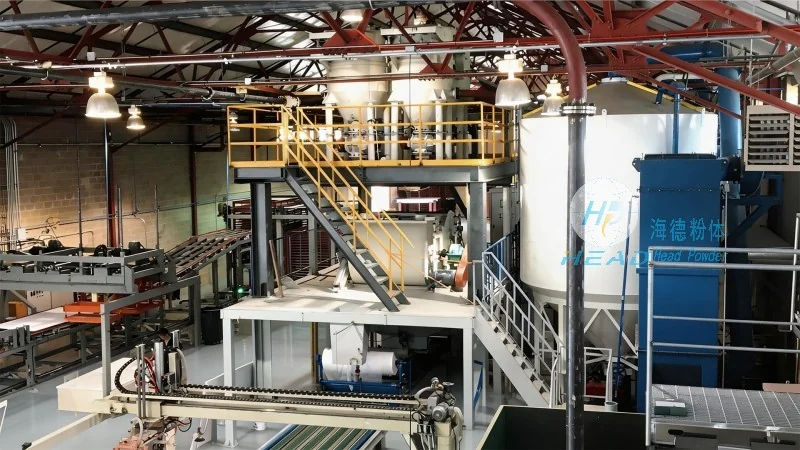
Customization also involves considering the environmental and safety regulations that may apply to the application. For instance, in food processing industries, the system must comply with sanitary standards, which may require additional components like sanitary fittings and cleaning mechanisms. HeadPowder ensures that all customized systems meet these regulatory requirements, providing a solution that is both effective and compliant.
Maintenance and Operational Considerations
Proper maintenance is essential to ensure the long-term performance and reliability of the pneumatic conveying system for sodium sulfate powder. Regular inspections and maintenance activities help prevent breakdowns and extend the lifespan of the system. Key maintenance tasks include checking the condition of the conveyor line, ensuring the air supply system operates efficiently, and cleaning the filters and cyclones to maintain optimal airflow.
The system's operational considerations also include monitoring the flow rate and pressure to ensure consistent material transport. Variations in flow rate can indicate issues such as blockages or air leaks, which need to be addressed promptly. Additionally, the system should be equipped with safety features, such as pressure relief valves and emergency shut-off mechanisms, to prevent accidents and protect personnel.
HeadPowder provides comprehensive maintenance services to its clients, including regular inspections, component replacement, and troubleshooting. The company's technical team is trained to handle the unique challenges of sodium sulfate powder handling, ensuring that maintenance is performed effectively and efficiently. By partnering with HeadPowder, businesses can minimize downtime and maximize the operational efficiency of their pneumatic conveying system.
Conclusion
The pneumatic conveying system for sodium sulfate powder is a highly effective and reliable solution for material handling in various industrial applications. With its closed system design, flexibility, and efficiency, the system offers significant advantages over traditional methods. HeadPowder, with its expertise and customization capabilities, provides top-quality systems that meet the specific needs of each client. By investing in a pneumatic conveying system, businesses can enhance their operational performance, improve product quality, and ensure a safe working environment. The system's long-term durability and low maintenance requirements make it a cost-effective choice for sustainable material handling in the sodium sulfate industry.