

Introduction to Phenolic Resin Powder Pneumatic Conveying Systems: Structure and Working Principles
Phenolic resin powder pneumatic conveying systems are essential for the efficient handling and transportation of phenolic resin powders in industrial applications. These systems utilize air or gas as the conveying medium to transport dry powders, offering a flexible and effective solution for material transfer in various manufacturing processes. The design and operation of such systems are critical to ensuring reliable and consistent performance, which is vital for maintaining production efficiency and product quality.
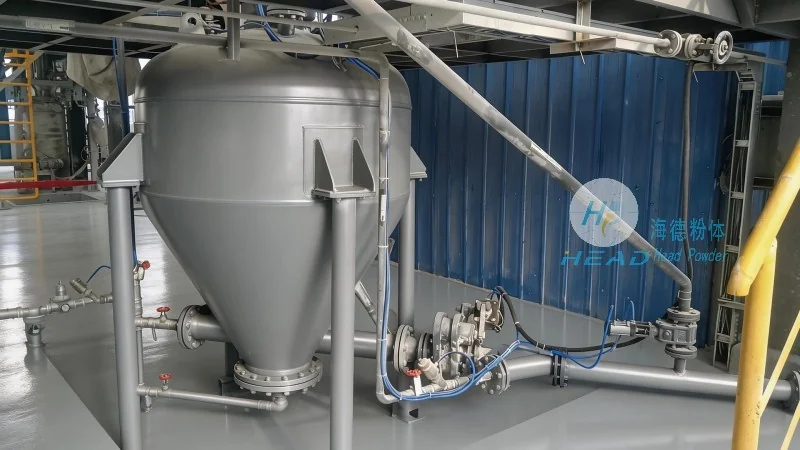
Overview of Phenolic Resin Powder Pneumatic Conveying Systems
Phenolic resin, a type of thermosetting plastic, is widely used in industries such as automotive, electronics, and construction due to its excellent mechanical properties, electrical insulation, and chemical resistance. The handling of phenolic resin powders requires specialized equipment to prevent issues like dust explosion, caking, and material degradation. Pneumatic conveying systems address these challenges by providing a sealed, controlled environment for powder transport, minimizing exposure to air and reducing the risk of contamination.
Company Introduction: Shandong HeadPowder Engineering Co., Ltd.
HeadPowder, the professional provider of pneumatic conveying solutions, is dedicated to delivering high-quality equipment and services for industrial material handling. With years of experience in the field, the company specializes in designing and manufacturing customized pneumatic conveying systems tailored to the specific needs of clients. HeadPowder's commitment to innovation and customer satisfaction has established it as a trusted partner in the industry, offering reliable solutions for phenolic resin powder transportation and other bulk material handling applications.
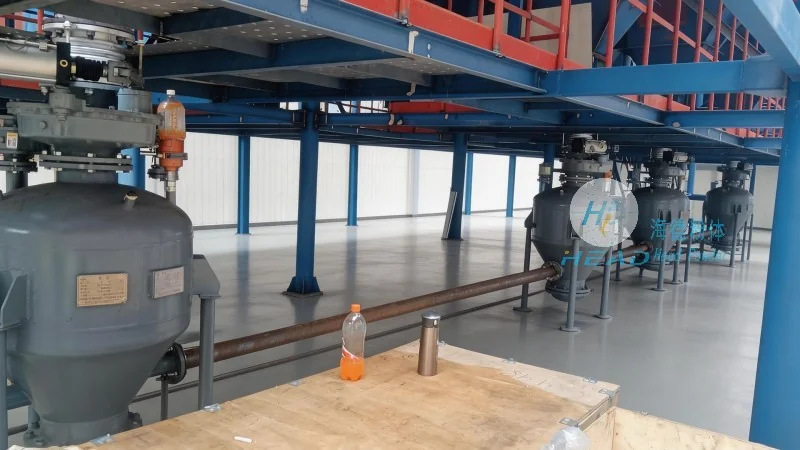
System Structure of Phenolic Resin Powder Pneumatic Conveying Systems
The typical structure of a phenolic resin powder pneumatic conveying system includes several key components that work in coordination to achieve efficient material transport. The main components are the hopper, feeder, conveying line, and receiver. The hopper is used to store the phenolic resin powder, providing a consistent supply to the feeder. The feeder, often a rotary valve or a star feeder, controls the flow rate of the powder into the conveying line. The conveying line, which can be a pipeline or a flexible hose, transports the powder using compressed air or gas. The receiver is the final container where the powder is deposited, completing the transport process.
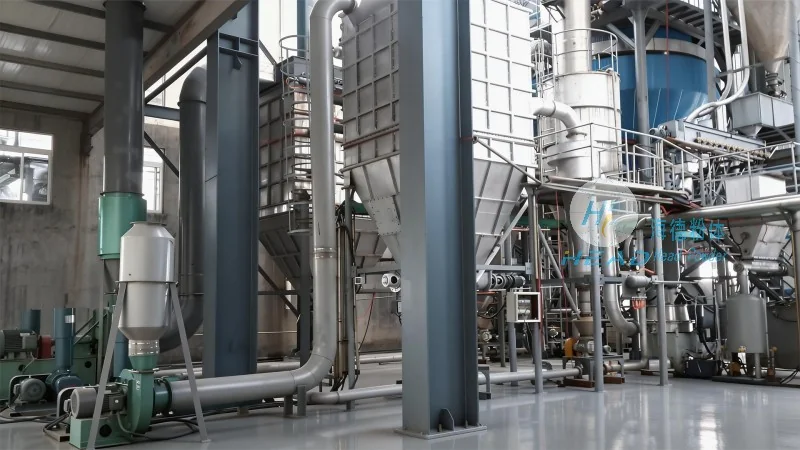
Working Principles of Phenolic Resin Powder Pneumatic Conveying Systems
The operation of a phenolic resin powder pneumatic conveying system is based on the principle of air flow and particle suspension. When compressed air is introduced into the conveying line, it creates a low-pressure environment that draws the phenolic resin powder from the hopper into the line. The powder particles are suspended in the air stream and transported to the receiver. The velocity of the air and the size of the powder particles determine the conveying capacity and efficiency of the system. Proper design of the system ensures that the air velocity is sufficient to keep the powder particles airborne without causing excessive pressure drops or particle degradation.
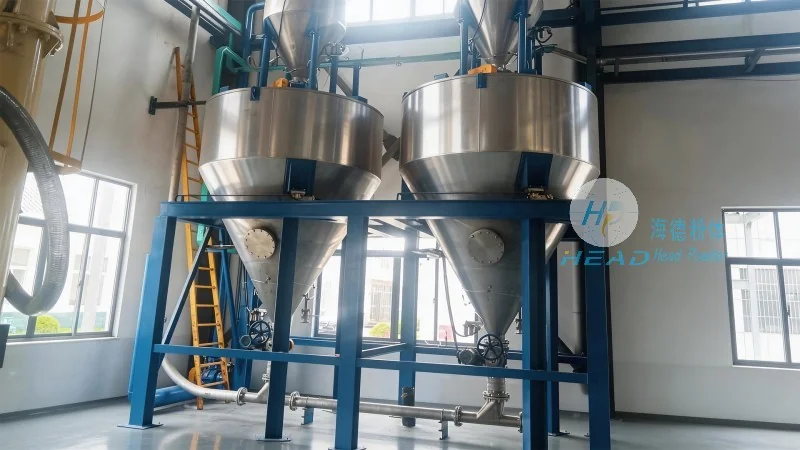
Key Features and Advantages of Phenolic Resin Powder Pneumatic Conveying Systems
Phenolic resin powder pneumatic conveying systems offer several advantages over traditional mechanical conveying methods. These include the ability to handle fine powders without clogging, reduced material degradation due to minimal contact with equipment, and the elimination of dust exposure, which enhances workplace safety. The systems are also flexible, allowing for changes in the conveying route and capacity as production needs evolve. Additionally, the sealed design of the system prevents contamination from external sources, ensuring the purity of the phenolic resin powder. These features make pneumatic conveying an ideal choice for industries that require high-quality, consistent material handling for phenolic resin powders.
Application Examples and Industrial Uses
Phenolic resin powder pneumatic conveying systems are widely used in various industrial applications where phenolic resin is processed. For example, in the automotive industry, these systems are used to transport phenolic resin powders for the production of molded parts and composites. In the electronics industry, they are employed to handle phenolic resin powders used in the manufacturing of circuit boards and insulation materials. The construction industry also utilizes these systems for the transport of phenolic resin powders used in the production of structural components and coatings. In each of these applications, the efficiency and reliability of the pneumatic conveying system are crucial to maintaining production schedules and ensuring product quality.