

What is Fiber Reinforced Pneumatic Conveying? An Introduction to the Working Principle of Powder Han
Understanding the working principles of fiber reinforced pneumatic conveying systems is crucial for industries dealing with bulk powder materials. This article provides a detailed overview of how such systems operate, focusing on the core components and the process of material transport.
Introduction to Fiber Reinforced Pneumatic Conveying
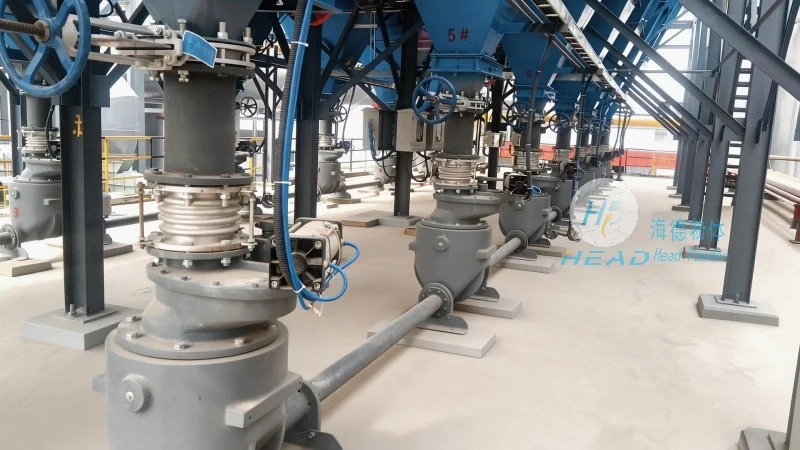
Fiber reinforced pneumatic conveying, also known as fiber-reinforced plastic (FRP) pneumatic conveying, is a method used to transport bulk powder materials through a pipeline using compressed air. This technology is widely adopted in various industries, including chemical, pharmaceutical, food, and cement, due to its efficiency and ability to handle a wide range of powder characteristics.
Key Components of a Pneumatic Conveying System
The efficiency of a fiber reinforced pneumatic conveying system relies on several key components that work in tandem to ensure smooth material transport. These components include:
1. Compressed Air Source: Typically, a centrifugal or rotary lobe blower provides the necessary pressure and volume of air to move the powder particles. The choice of air source depends on the system's capacity and the specific powder being conveyed.
2. Pipeline and Conveying Tubing: The pipeline is made from fiber reinforced plastic (FRP), which offers excellent resistance to corrosion, abrasion, and chemical exposure. FRP tubing is lightweight, durable, and can be customized to fit various system configurations.
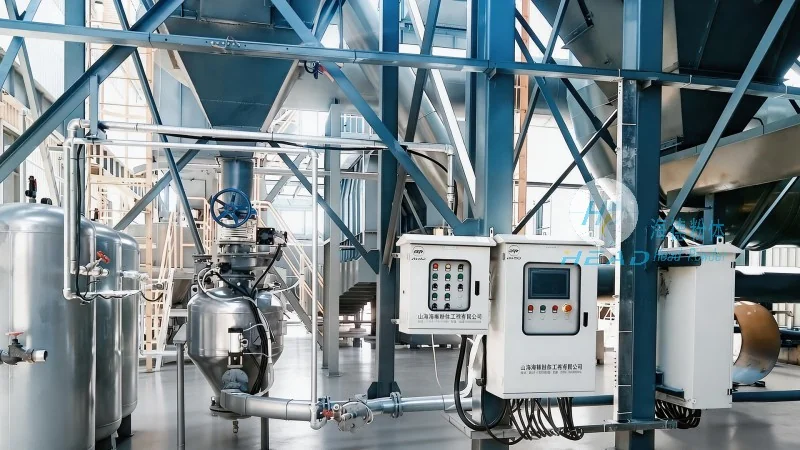
3. Material Feeders: These devices, such as rotary valves or star feeders, control the flow rate of the powder into the pipeline, ensuring a consistent and controlled feed to the conveying system.
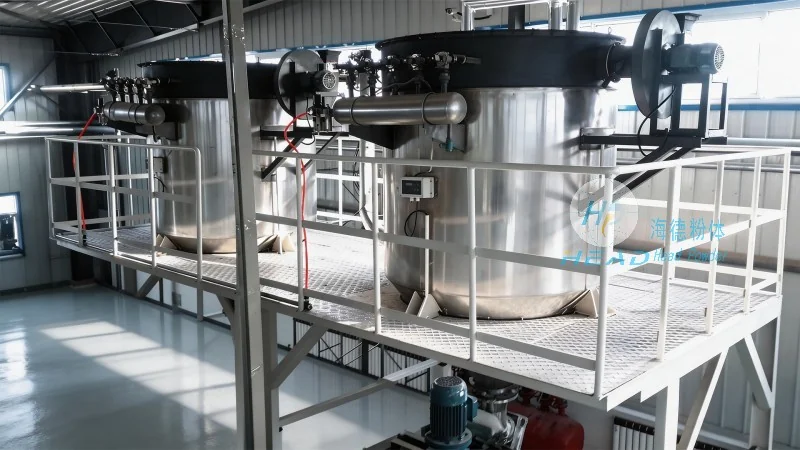
4. Separation and Collection Units: At the receiving end, cyclone separators or bag filters are used to separate the powder from the air stream, allowing for safe and efficient material collection.
Working Principle of Pneumatic Conveying
The operation of a fiber reinforced pneumatic conveying system involves several stages. First, the powder is introduced into the pipeline through the material feeder. Simultaneously, compressed air is introduced from the air source. The air and powder mixture is then accelerated through the pipeline, creating a slurry-like flow that transports the powder to the destination.
As the mixture travels, the air velocity and pressure are carefully controlled to maintain the proper suspension of the powder particles. The system's design ensures that the powder remains entrained in the air stream, preventing blockages and ensuring efficient transport. At the receiving end, the air and powder are separated, with the powder collected in a hopper or silo and the air either vented or filtered.
Advantages of Fiber Reinforced Pneumatic Conveying
Compared to traditional mechanical conveying methods, fiber reinforced pneumatic conveying offers several advantages. These include:
1. Reduced Downtime and Maintenance: The use of FRP components minimizes the risk of corrosion and wear, leading to lower maintenance costs and longer system lifespans.
2. Flexibility in Layout: Pneumatic systems can be easily reconfigured or expanded, allowing for changes in production processes without major structural modifications.
3. Improved Material Handling: This method is ideal for handling sensitive or abrasive powders, as it avoids direct contact with metal components, reducing the risk of contamination or degradation.

4. Energy Efficiency: Modern pneumatic conveying systems are designed to optimize air usage, resulting in lower energy consumption compared to other bulk material handling methods.
Applications in Various Industries
Fiber reinforced pneumatic conveying systems are applied across a wide range of industries, each with specific requirements for powder handling. For instance:
In the chemical industry, these systems are used to transport chemicals, pigments, and other powders, ensuring safe and efficient processing. In the pharmaceutical sector, the hygienic design of FRP components allows for the handling of sterile powders, meeting stringent regulatory standards. The food industry benefits from the non-corrosive and non-contaminating properties of FRP, enabling the transport of food-grade powders like flour and sugar.
Conclusion
Fiber reinforced pneumatic conveying is a reliable and efficient method for bulk powder transport, offering numerous advantages over traditional systems. By understanding the working principles and key components, industries can select and implement the most suitable system for their specific needs. As a leading provider in this field, Shandong HeadPowder Engineering Co., Ltd. specializes in designing and manufacturing high-quality fiber reinforced pneumatic conveying systems tailored to meet the diverse requirements of various industries.