

What is Pepper Pneumatic Conveying? An Introduction to the Working Principle of Powder Handling Syst
For those in the food processing industry, particularly those handling spices like peppers, understanding the mechanisms of efficient powder transport is crucial. Pepper pneumatic conveying is a specialized method used to move these fine particles from one location to another within a processing facility. This technology is integral to maintaining product quality, ensuring safety, and optimizing operational efficiency in spice handling operations. As a leading provider of engineering solutions for powder handling, Shandong HeadPowder Engineering Co., Ltd. specializes in designing and manufacturing pneumatic conveying systems tailored to the unique needs of spice processing facilities.
Understanding Pneumatic Conveying Systems
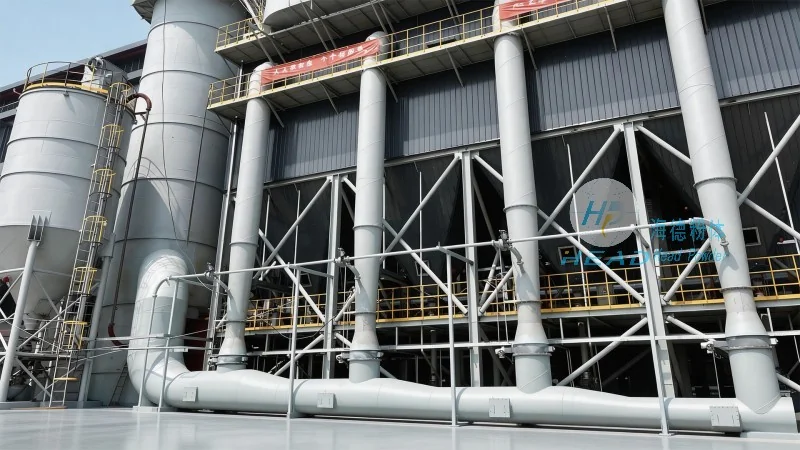
Pneumatic conveying systems utilize air or gas to transport dry bulk materials, such as powdered spices, through a pipeline network. The core components of these systems include a material feed hopper, a conveying line, and a receiver or discharge point. The system operates by creating a pressure differential that propels the powder particles through the system using air flow. This method offers several advantages over traditional mechanical conveying, including the ability to handle delicate or sensitive materials without causing damage, and the flexibility to route materials through complex layouts within a facility.
Key Components of a Pepper Pneumatic Conveying System
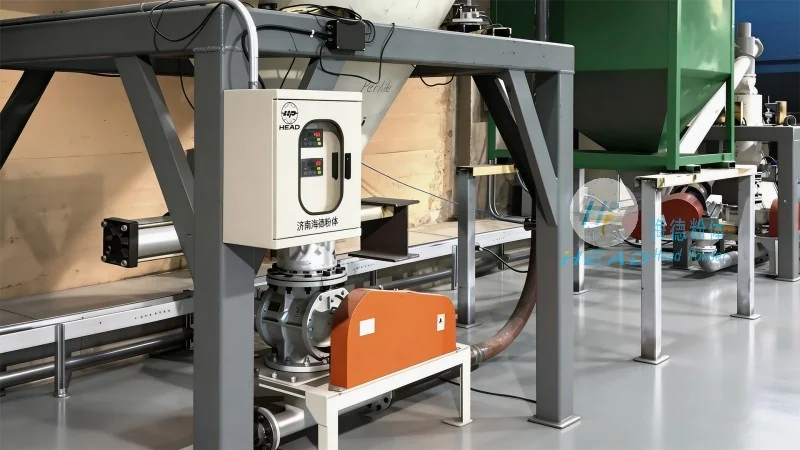
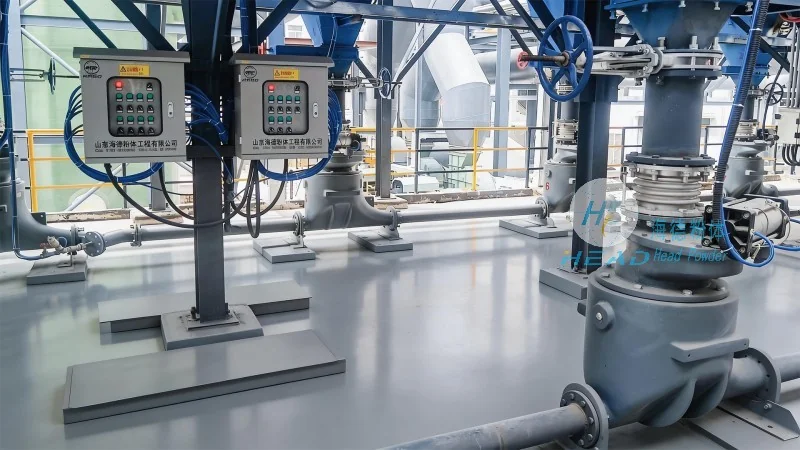
The effectiveness of a pneumatic conveying system for pepper powder depends on several critical components. The feed hopper is designed to store and meter the pepper powder, ensuring a consistent flow into the conveying line. The conveying line itself is typically made of materials resistant to corrosion and abrasion, such as stainless steel or special polymers, to withstand the abrasive nature of powdered spices. The air system, which generates the necessary pressure or vacuum, is often equipped with filters and moisture control devices to maintain the quality of the pepper powder. Additionally, the system may include valves, regulators, and sensors to control the flow rate and monitor the system's performance, ensuring safe and efficient operation.
Working Principle of Pepper Pneumatic Conveying
The working principle of a pepper pneumatic conveying system involves the creation of a pressure or vacuum environment that moves the powder particles. In a pressure system, compressed air is introduced into the conveying line, pushing the pepper powder forward. The air flow is controlled to maintain a consistent velocity, preventing particle segregation or degradation. In a vacuum system, a vacuum pump creates a negative pressure that draws the pepper powder into the line. Both systems rely on the principle of fluidization, where the air flow lifts and transports the powder particles, similar to how air moves sand in a sandblaster. The design of the system, including the size of the conveying line and the air velocity, is carefully calculated to ensure optimal performance and minimal product degradation.
Benefits of Using Pepper Pneumatic Conveying
Implementing a pneumatic conveying system for pepper powder offers numerous benefits for food processing facilities. One of the primary advantages is the ability to handle delicate or heat-sensitive spices without exposing them to excessive friction or heat, which can affect flavor and quality. The system also reduces the risk of cross-contamination, as the enclosed pipeline prevents contact with external elements. Additionally, pneumatic conveying systems are highly flexible, allowing for easy integration into existing processing lines and the ability to route materials to multiple destinations. This flexibility is particularly valuable in large-scale spice processing operations where materials need to be transported between different processing stages or storage areas. Furthermore, the system's ability to maintain a consistent flow rate and pressure ensures stable production processes, reducing downtime and improving overall operational efficiency.
Applications in Pepper Processing
Pepper pneumatic conveying systems are widely used in various stages of pepper processing, from raw material handling to final product packaging. In the initial stages, the system can be used to transport freshly ground pepper powder from grinding equipment to storage silos or processing lines. During the blending process, the system efficiently mixes different pepper varieties or adds other spices to create custom blends. In the packaging stage, the system can transport the finished pepper powder to filling machines, ensuring a consistent and uniform product for consumers. The versatility of pneumatic conveying makes it an essential technology in modern pepper processing facilities, enabling manufacturers to meet high production demands while maintaining product quality and safety standards.
Considerations for Implementing Pepper Pneumatic Conveying
When considering the implementation of a pepper pneumatic conveying system, several factors must be taken into account to ensure optimal performance and cost-effectiveness. The first consideration is the type of pepper powder being handled, as different particle sizes and moisture contents may require adjustments to the system design. For example, finer pepper powders may require higher air velocities to prevent clogging, while coarser powders may need larger conveying lines to maintain flow. The system's capacity and the required flow rate are also critical, as these factors determine the size and power of the air system components. Additionally, the layout of the processing facility and the distance the powder needs to travel will influence the design of the conveying line, including the number of bends and the use of special fittings to minimize pressure loss. Finally, maintenance and operational costs must be considered, as pneumatic conveying systems require regular cleaning and maintenance to prevent blockages and ensure long-term reliability.
Conclusion
Pepper pneumatic conveying is a sophisticated and efficient method for transporting powdered spices, offering significant advantages over traditional mechanical conveying systems. By understanding the working principles and key components of these systems, food processing facilities can optimize their operations, maintain product quality, and enhance safety standards. As the demand for high-quality pepper products continues to grow, the adoption of advanced pneumatic conveying technologies will remain essential for manufacturers seeking to meet market demands while ensuring the integrity of their products. For those in the industry, investing in a well-designed and properly maintained pneumatic conveying system is a strategic decision that can lead to improved efficiency, reduced costs, and enhanced product quality.