

Introduction to Polypropylene Pellet Pneumatic Conveying Systems: Structure and Working Principles
Polypropylene (PP) is a widely used thermoplastic polymer in various industries, and the efficient handling of its pellet form is crucial for manufacturing processes. Pneumatic conveying systems offer a reliable and effective solution for transporting polypropylene pellets from storage to processing units. This article provides an introduction to polypropylene pellet pneumatic conveying systems, detailing their structure and working principles to help users understand the technology better.
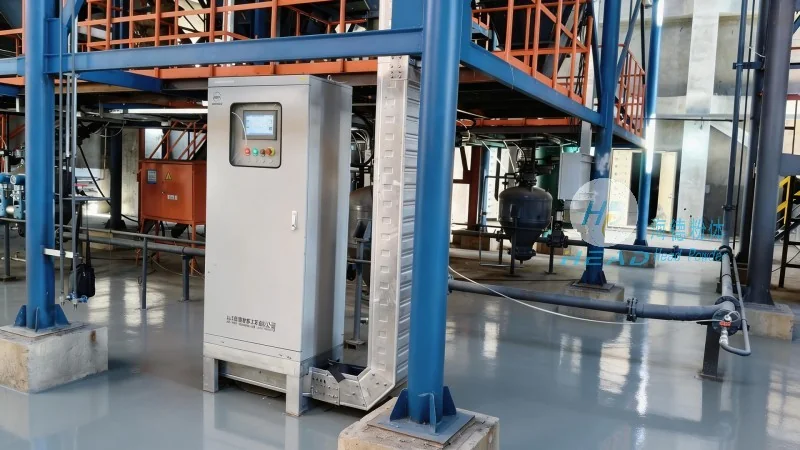
Key Components of a Polypropylene Pellet Pneumatic Conveying System
A typical polypropylene pellet pneumatic conveying system consists of several key components that work in tandem to ensure smooth material transport. The main components include:
1. Feeding Device: This component is responsible for introducing the polypropylene pellets into the conveying system. It may include a hopper, a rotary valve, or a screw feeder, depending on the system design and the characteristics of the material. The feeding device ensures a consistent and controlled flow of pellets into the system, preventing blockages and maintaining system efficiency.
2. Pneumatic Conveying Pipeline: The pipeline is the core of the system, where the polypropylene pellets are transported using air or other gases. The pipeline is typically made of materials like stainless steel or plastic, chosen for their durability and resistance to the chemical properties of polypropylene. The design of the pipeline, including bends, elbows, and straight sections, is critical to maintaining the flow rate and preventing material degradation or loss.
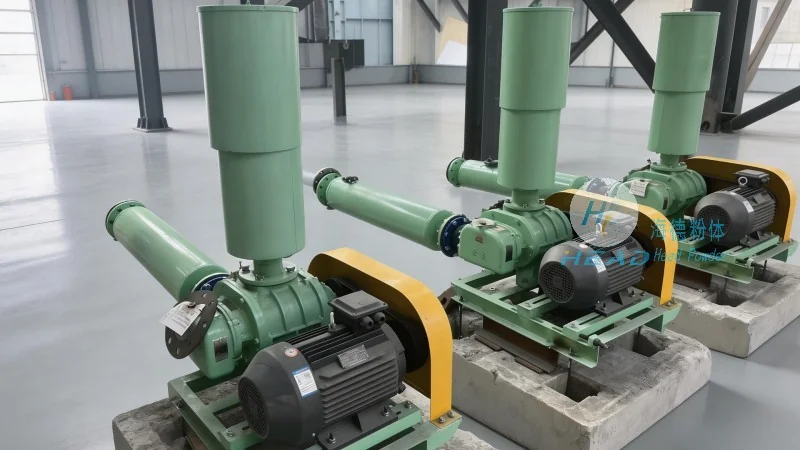
3. Air Supply System: This system provides the necessary air or gas to move the polypropylene pellets through the pipeline. It includes a blower or a compressor, a filter to remove contaminants from the air, and a pressure regulator to control the air pressure. The air supply system is designed to deliver a consistent flow of air at the appropriate pressure to ensure the pellets are conveyed efficiently without causing excessive wear on the system components.
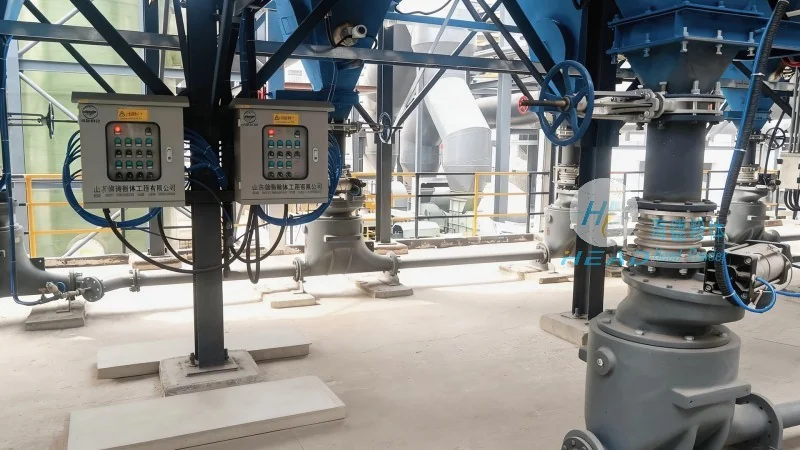
4. Separation and Collection Equipment: At the end of the conveying line, the polypropylene pellets are separated from the air stream and collected in a receiving hopper or container. This equipment may include a cyclone separator, a bag filter, or a combination of both, depending on the system's requirements. The separation process is crucial to ensure that the pellets are collected without loss and that the air is cleaned before being discharged or recirculated.
Working Principle of Polypropylene Pellet Pneumatic Conveying
The operation of a polypropylene pellet pneumatic conveying system follows a simple yet effective principle: the use of air pressure to move the material. The process begins when the polypropylene pellets are fed into the system from the storage hopper. The feeding device then introduces the pellets into the pipeline, where they are entrained by the high-velocity air stream generated by the blower or compressor.
As the pellets are carried by the air, they move through the pipeline, passing through bends and other components. The air pressure and velocity are carefully controlled to ensure that the pellets are conveyed at an optimal speed without causing excessive abrasion or degradation. At the receiving end, the air and pellets are separated, with the pellets falling into the collection hopper and the air being filtered and either discharged or recirculated back into the system.
This continuous process allows for the efficient and safe transport of polypropylene pellets over short or long distances, depending on the system design. The system can be configured as a pressure or vacuum system, with pressure systems being more common for conveying materials over longer distances or through complex piping networks.
Advantages of Polypropylene Pellet Pneumatic Conveying Systems
Pneumatic conveying systems for polypropylene pellets offer several advantages over traditional mechanical conveying methods. These include:
1. Reduced Material Handling Costs: By eliminating the need for mechanical conveyors, such as belt conveyors or screw conveyors, the system reduces the cost of material handling and maintenance. The lack of moving parts in the conveying line also minimizes the risk of material damage or contamination.
2. Improved Safety and Hygiene: Pneumatic conveying systems are enclosed, which helps to prevent dust and particles from escaping into the environment. This improves workplace safety and maintains a clean and hygienic environment, which is particularly important in food and pharmaceutical industries where polypropylene pellets are used.
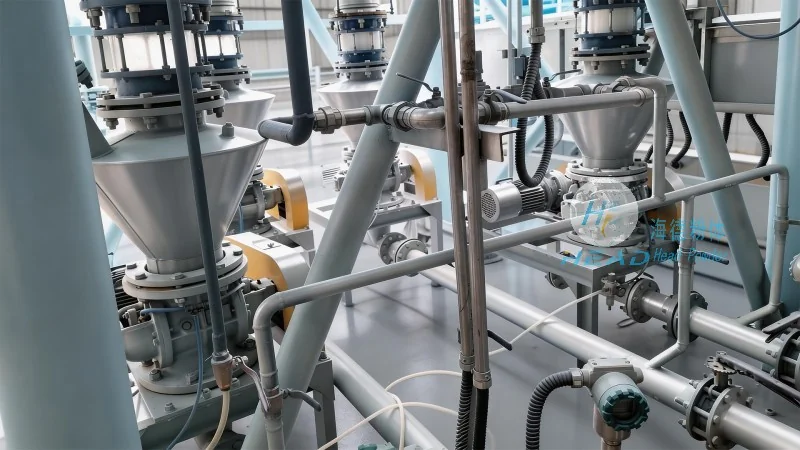
3. Flexibility and Scalability: The system can be easily expanded or modified to accommodate changes in production volume or process requirements. The modular design allows for the addition of new components or the reconfiguration of the pipeline to suit different applications.
4. Energy Efficiency: Modern pneumatic conveying systems are designed to be energy-efficient, with blowers and compressors that operate at optimal efficiency. The use of air as the conveying medium also reduces the need for additional power for mechanical components.
About Shandong HeadPowder Engineering Co., Ltd.
Shandong HeadPowder Engineering Co., Ltd., commonly known as headpowder, is a leading manufacturer and supplier of pneumatic conveying systems and related equipment. With headquarters located in Shandong, China, the company specializes in designing and manufacturing customized solutions for various industries, including plastics, chemicals, food, and pharmaceuticals. Headpowder's team of experienced engineers and technicians work closely with clients to understand their specific needs and provide tailored solutions that meet their requirements for efficiency, reliability, and cost-effectiveness.
The company's commitment to quality and innovation has made it a trusted partner for many businesses worldwide. By leveraging advanced technology and rigorous quality control processes, headpowder ensures that its products meet the highest standards and deliver long-term performance and reliability. Whether it's a new installation or an upgrade to an existing system, headpowder provides comprehensive support, from design and manufacturing to installation and after-sales service.