

Operation Process and Working Principle of Polyacrylamide Material Pneumatic Conveying Line
Polyacrylamide, a widely used chemical in water treatment and industrial processes, often requires efficient and reliable material handling solutions. The pneumatic conveying line designed by Shandong HeadPowder Engineering Co., Ltd. (commonly known as headpowder) offers an advanced method for transporting polyacrylamide materials. This system combines air flow and mechanical components to move powders or granules through a network of pipes, ensuring safe and efficient operation. The following sections will detail the working principle and operational process of this specialized conveying line.
Working Principle of Pneumatic Conveying Lines
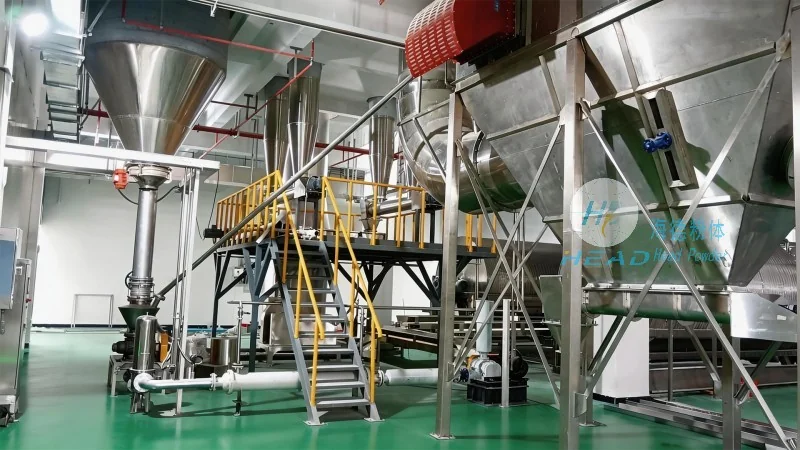
The core of the polyacrylamide pneumatic conveying system is the air-driven mechanism that propels material through the pipeline. At its essence, the system operates by creating a pressure differential or using vacuum to draw the polyacrylamide material into the air stream. The process typically involves a blower or compressor that generates high-pressure air, which then mixes with the polyacrylamide powder. As the air flows through the conveying line, it transports the material from the source to the destination. Key components such as the feed hopper, airlock, and control valves work in tandem to regulate the flow and ensure consistent material movement. The design of the system minimizes material degradation and dust generation, making it suitable for sensitive polyacrylamide applications.
Operation Process of the System
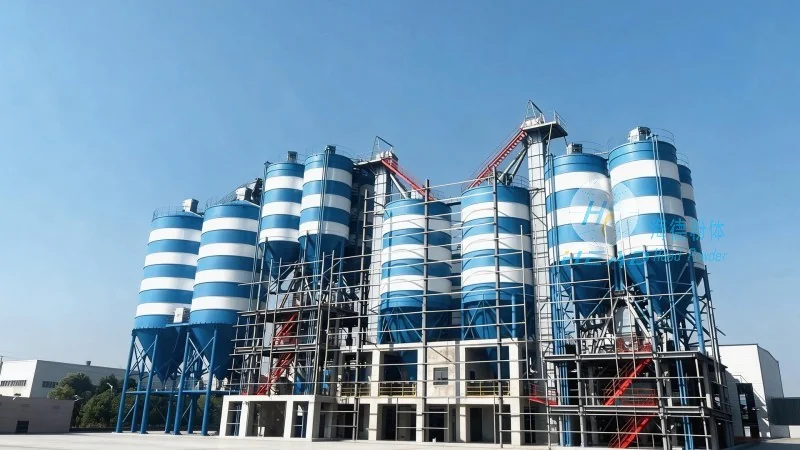
The operation of the polyacrylamide pneumatic conveying line follows a systematic sequence to ensure smooth and safe material transport. Initially, the system is prepared by checking the air pressure and ensuring all components are properly aligned. The feed hopper is then filled with the polyacrylamide material, and the air source is activated. The control system initiates the conveying process by opening the airlock and starting the blower. As the air flows, the polyacrylamide is drawn into the pipeline and transported to the receiving hopper or storage area. During operation, the system continuously monitors pressure and flow rates to maintain optimal performance. The process concludes when the material is fully transferred, and the system is shut down by stopping the air source and closing the valves. This structured approach ensures consistent and reliable operation, minimizing downtime and maximizing efficiency.
Key Components and Their Functions
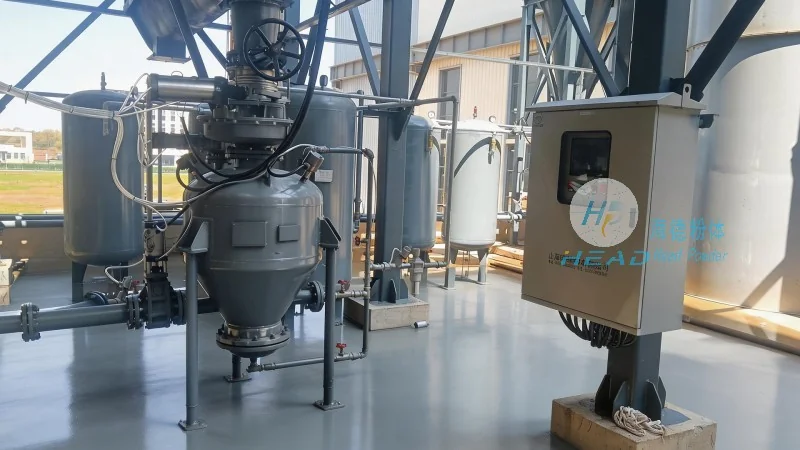
Several critical components contribute to the effective operation of the polyacrylamide pneumatic conveying line. The feed hopper is responsible for storing and metering the polyacrylamide material, ensuring a steady supply to the system. The airlock, positioned at the discharge end, prevents backflow and maintains a consistent pressure differential. The blower or compressor generates the necessary air pressure to drive the material through the pipeline. Control valves regulate the air flow and pressure, allowing for adjustments based on the material characteristics and system requirements. Additionally, the conveying line itself, typically made of durable materials like stainless steel or PVC, provides a secure pathway for the material and air mixture. Each component is designed to work in harmony, ensuring the overall system operates efficiently and safely.
Advantages of Using Pneumatic Conveying for Polyacrylamide
Implementing a pneumatic conveying system for polyacrylamide offers several advantages over traditional methods. Firstly, it eliminates the need for manual handling, reducing the risk of exposure to dust and improving workplace safety. The enclosed system also minimizes material loss and contamination, which is crucial for polyacrylamide applications where purity is essential. Furthermore, the system allows for precise control over the material flow rate, ensuring consistent dosing in industrial processes. The compact design of the conveying line saves space and can be integrated into existing facilities, making it a flexible solution for various industrial settings. Overall, the pneumatic conveying system enhances operational efficiency, reduces maintenance costs, and improves the safety and quality of polyacrylamide handling.