

Operation Process and Working Principle of Kaolin Powder Material Pneumatic Conveying Line
HeadPowder, a leading engineering firm based in Shandong, China, specializes in the design, manufacturing, and installation of advanced pneumatic conveying systems. This article provides a detailed overview of the operation process and working principles of a kaolin powder material pneumatic conveying line, highlighting the efficiency and reliability of such systems in industrial applications.
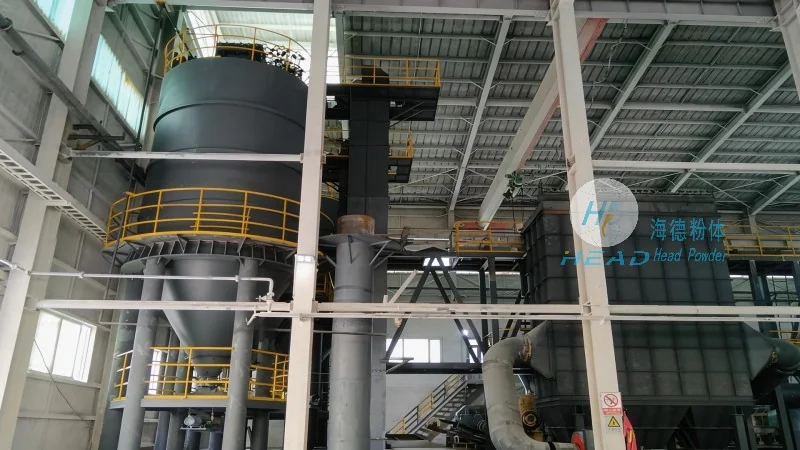
Introduction to Kaolin Powder Pneumatic Conveying
Kaolin powder, a fine white clay mineral widely used in various industries including ceramics, paper, and coatings, requires specialized handling due to its low bulk density and high dust propensity. Pneumatic conveying systems offer an effective solution for transporting kaolin powder from storage silos to processing units, minimizing material loss and ensuring a clean, dust-free operation. The system typically consists of a blower, conveying pipes, a hopper, and a receiver, all working in tandem to achieve seamless material transfer.
Key Components of the Pneumatic Conveying System
The operation of a kaolin powder pneumatic conveying line relies on several critical components, each playing a vital role in the overall process. The blower or air compressor generates the necessary air pressure to move the powder through the system. The conveying pipes, often made of stainless steel or other corrosion-resistant materials, are designed to withstand the abrasive nature of kaolin powder and maintain airtight integrity. The hopper, where the kaolin powder is stored, is equipped with a feeder that controls the flow rate of the material into the system. The receiver, located at the destination point, collects the conveyed powder and may include a dust collection system to prevent environmental contamination.
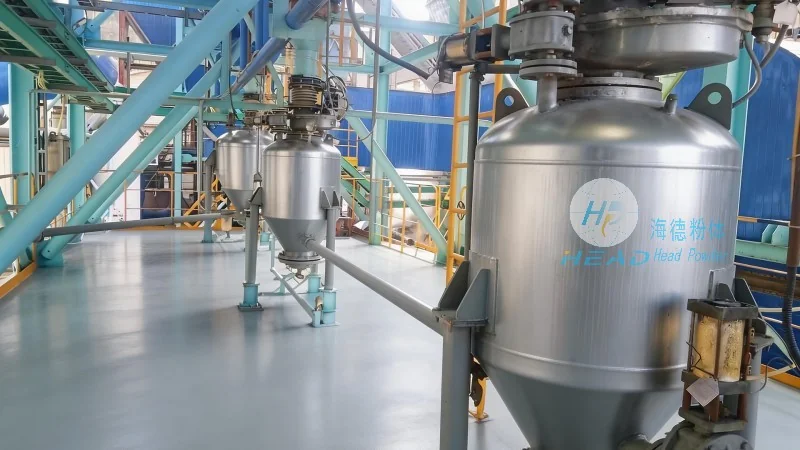
Working Principle of the Conveying Process
The working principle of the kaolin powder pneumatic conveying line is based on the principle of fluidization and air movement. When the blower starts, it creates a high-pressure air stream that enters the hopper and lifts the kaolin powder particles into the conveying pipes. The air velocity within the pipes is maintained above the critical velocity, ensuring that the powder remains suspended and transported efficiently. The system operates in either positive or negative pressure modes, depending on the application and distance of material transport. Positive pressure systems are commonly used for short-distance conveying, while negative pressure systems are preferred for longer distances or when dust control is a priority.
Operation Process Step-by-Step
The operation of the kaolin powder pneumatic conveying line follows a systematic sequence to ensure smooth and continuous material transfer. First, the kaolin powder is fed into the hopper from the storage silo. The feeder then regulates the flow rate, controlling the amount of powder entering the system. Simultaneously, the blower starts and generates the air pressure needed to convey the material. The air and powder mixture travels through the conveying pipes to the receiver, where the powder is deposited. The air, now carrying fine particles, passes through a filter or cyclone separator to remove any residual dust before being discharged back into the system or released into the atmosphere. This cycle repeats continuously, maintaining a steady flow of kaolin powder from the source to the processing unit.
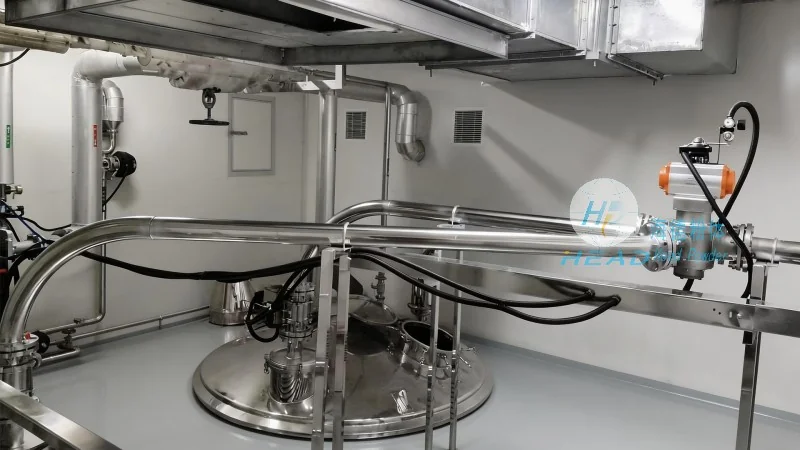
Advantages of Using Pneumatic Conveying for Kaolin Powder
Pneumatic conveying systems offer several advantages when handling kaolin powder compared to traditional methods like belt conveyors or bucket elevators. These include reduced material degradation due to minimal mechanical contact, lower risk of cross-contamination, and improved safety by eliminating the need for manual handling of powders. Additionally, the system is highly flexible, allowing for changes in material flow rates and destinations without significant modifications. The enclosed design of the system also helps in maintaining a clean working environment and complying with environmental regulations.
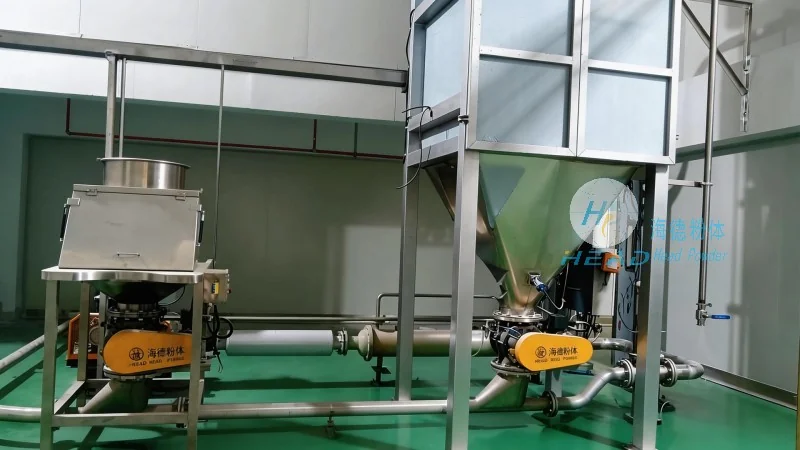
Maintenance and Operational Considerations
To ensure the long-term efficiency and reliability of the kaolin powder pneumatic conveying line, regular maintenance is essential. This includes checking the blower performance, inspecting the conveying pipes for blockages or wear, and cleaning the filter or cyclone separator to maintain air flow. The feeder mechanism should also be monitored to prevent overloading or underloading, which can affect the system's performance. Proper training of operators on the system's operation and emergency procedures is crucial to avoid downtime and ensure safe operation. By adhering to these maintenance and operational guidelines, the system can operate at optimal performance levels, delivering consistent and reliable kaolin powder transfer.
Conclusion
In conclusion, the operation process and working principles of a kaolin powder material pneumatic conveying line, as exemplified by HeadPowder's engineering solutions, represent a sophisticated and efficient method for handling fine powders. The system's ability to maintain material integrity, minimize dust emissions, and adapt to various industrial requirements makes it a preferred choice for kaolin powder transportation. With proper design, installation, and maintenance, such systems can significantly enhance production efficiency and operational safety in kaolin processing facilities.