

Operation Process and Working Principle of Vermiculite Material Pneumatic Conveying Line
Shandong HeadPowder Engineering Co., Ltd., a leading enterprise in the field of material handling technology, specializes in the design, manufacturing, and installation of advanced pneumatic conveying systems. The company's expertise lies in providing efficient and reliable solutions for transporting various bulk materials, including vermiculite, a lightweight, insulating material widely used in construction and industrial applications. This article delves into the operation process and working principle of a typical vermiculite material pneumatic conveying line, highlighting the key components, operational steps, and technical advantages that make such systems highly effective for industrial use.
Key Components of the Pneumatic Conveying System
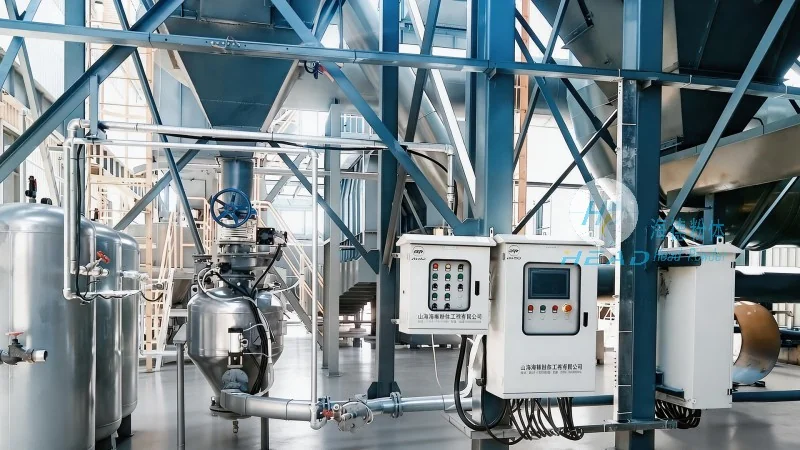
The vermiculite material pneumatic conveying line consists of several critical components that work in tandem to ensure smooth and continuous material transport. The primary components include a hopper for material storage, a rotary feeder to control the flow rate, a conveying pipeline network, a blower or air compressor to generate the necessary air pressure, and a dust collector to manage airborne particles. Each component plays a vital role in the overall functionality of the system. The hopper is designed to hold a sufficient quantity of vermiculite, ensuring a stable supply to the feeder. The rotary feeder, often equipped with adjustable speed controls, regulates the material discharge rate, preventing overloading or underloading of the conveying line. The conveying pipeline, typically made of corrosion-resistant materials like stainless steel or high-density polyethylene, is engineered to withstand the pressure and temperature variations associated with pneumatic transport. The blower or air compressor serves as the power source, generating the airflow that propels the vermiculite particles through the pipeline. Finally, the dust collector captures any fine particles that may escape during the conveying process, ensuring compliance with environmental regulations and maintaining a clean working environment.
Working Principle of the Pneumatic Conveying Process
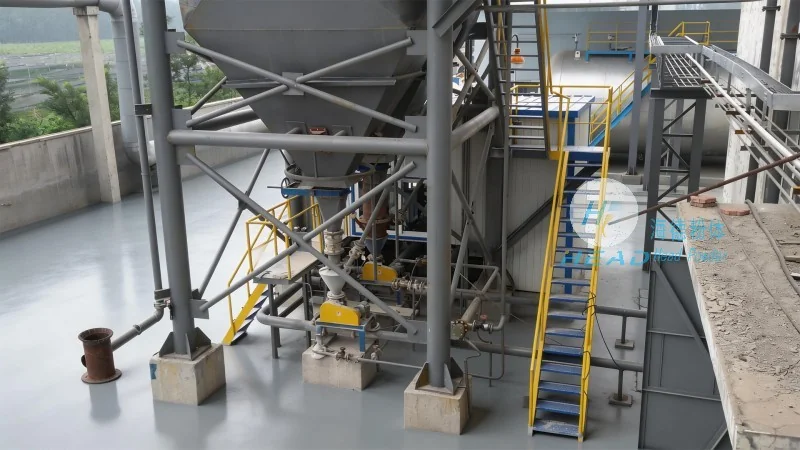
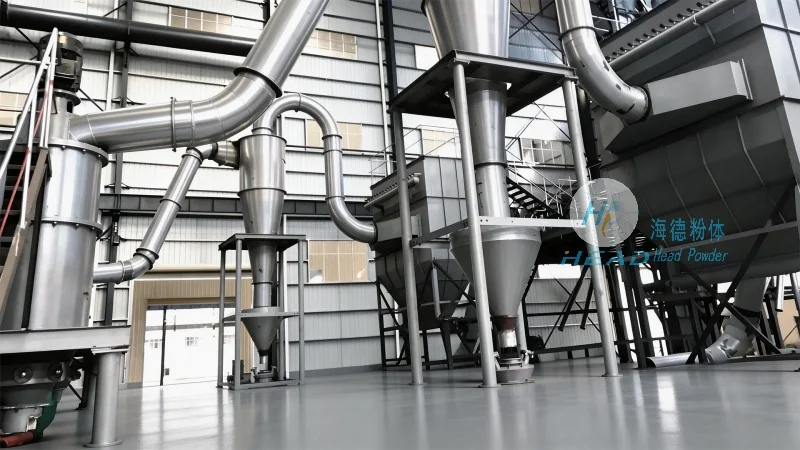
The operation of the vermiculite material pneumatic conveying line is based on the principle of pneumatic transport, where material particles are suspended and transported by a moving air stream. The process begins with the vermiculite being fed from the hopper into the rotary feeder. The feeder then controls the flow rate, releasing a controlled amount of material into the conveying pipeline. Simultaneously, the blower or air compressor starts operating, generating a high-pressure air stream that enters the pipeline. As the air flows through the pipeline, it picks up the vermiculite particles from the feeder and carries them to the discharge point. The air velocity within the pipeline is maintained at a level sufficient to keep the particles suspended, preventing them from settling or clogging the system. The conveying line may include bends, elbows, and other fittings that are designed to minimize pressure loss and maintain the air flow efficiency. At the discharge end, the material is deposited into a receiving hopper or container, while the air, now carrying the fine particles, is directed to the dust collector. The dust collector uses filtration or cyclonic separation to remove the particles from the air stream, allowing the clean air to be discharged or recirculated back into the system. This closed-loop system ensures minimal material loss and optimal air quality.
Operation Process and Key Steps
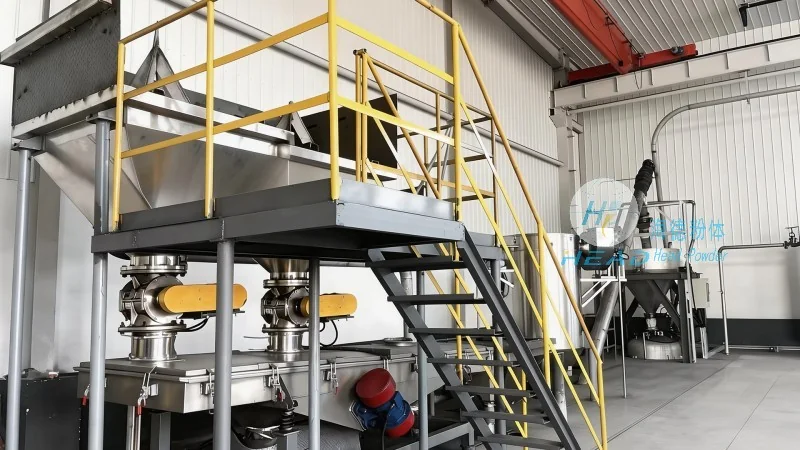
The operation of the vermiculite material pneumatic conveying line follows a systematic sequence of steps to ensure efficient and safe material transport. The process starts with the preparation phase, where the hopper is filled with vermiculite and the system is checked for any leaks or malfunctions. Once the system is ready, the blower is started, and the air pressure is adjusted to the required level. The rotary feeder is then set to the desired flow rate, which is typically determined based on the material's bulk density, particle size, and the required discharge rate. The material is then fed into the pipeline, and the conveying process begins. During operation, the system is monitored continuously for pressure, flow rate, and material level. Any adjustments to the feeder speed or air pressure are made as needed to maintain stable operation. The conveying line is designed to handle varying material loads, and the system can be scaled up or down depending on the production requirements. The process continues until the material is fully transferred to the discharge point, after which the system is shut down and the hopper is refilled. Regular maintenance is performed to ensure the longevity and reliability of the system, including cleaning the hopper, checking the feeder blades, and inspecting the pipeline for any signs of wear or damage.
Technical Advantages and Applications
The vermiculite material pneumatic conveying line offers several technical advantages that make it an ideal solution for industrial applications. One of the primary advantages is its ability to transport materials over long distances without the need for mechanical components like belts or chains, reducing maintenance costs and increasing operational efficiency. The system is also highly flexible, allowing for changes in the conveying route or capacity without major modifications. Additionally, the pneumatic transport method minimizes material degradation, as the particles are not subjected to friction or impact during transport. This is particularly important for vermiculite, which is a lightweight and fragile material that can easily break down under mechanical stress. The system is also suitable for handling materials with varying particle sizes and moisture content, making it versatile for different industrial applications. In the construction industry, vermiculite is commonly used as an insulating material in wall and roof systems, and the pneumatic conveying line enables efficient transportation of the material from storage to the construction site. In industrial manufacturing, vermiculite is used as a filler in paints, coatings, and other products, and the system ensures a consistent and reliable supply of the material to the production line. Overall, the vermiculite material pneumatic conveying line provides a cost-effective and efficient solution for material handling, enhancing productivity and reducing operational costs for businesses.