

Operation Process and Working Principle of Pneumatic Conveying for Calcined Lime Materials
HeadPowder, a leading enterprise in the field of material handling systems, specializes in the design, manufacturing, and installation of pneumatic conveying solutions for calcined lime materials. This article provides a detailed overview of the operation process and working principle of such systems, highlighting the technical aspects and practical applications that ensure efficient material transport in industrial settings.
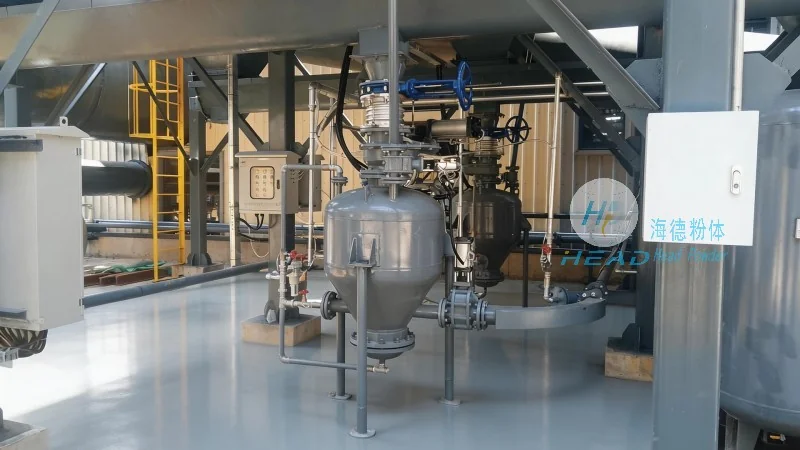
Introduction to Pneumatic Conveying for Calcined Lime
Calcined lime, also known as quicklime or calcium oxide, is a crucial industrial material used in various sectors including construction, chemical processing, and environmental treatment. The efficient and reliable transport of calcined lime from storage to processing units is essential for maintaining production efficiency and minimizing operational costs. Pneumatic conveying systems offer a non-contact, dust-free, and energy-efficient method to handle these materials, making them a preferred choice for many industries.
Working Principle of Pneumatic Conveying Systems
The core principle of pneumatic conveying for calcined lime involves the use of air or gas as the conveying medium to transport bulk materials through a pipeline system. The process typically operates under either positive pressure (pressure conveying) or negative pressure (vacuum conveying), depending on the system design and application requirements. In positive pressure systems, air is forced through the pipeline at a high velocity, creating a flow that pulls the material particles along with it. Conversely, negative pressure systems use a vacuum to draw the material into the pipeline, where air is then expelled at the discharge point.
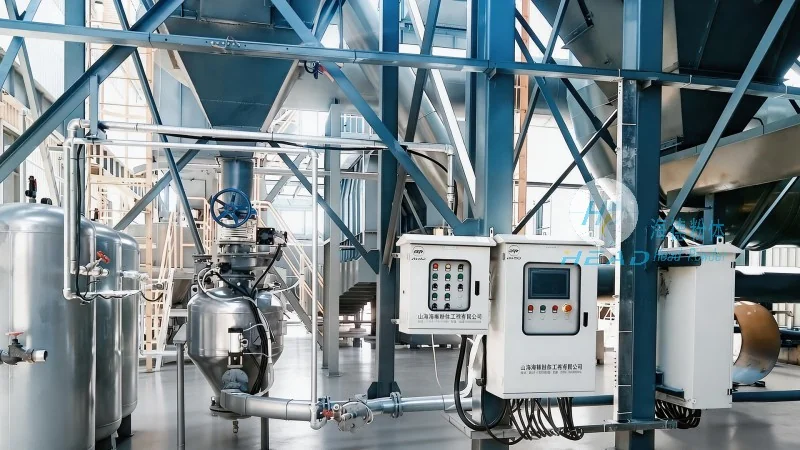
Key Components of the Pneumatic Conveying System
A pneumatic conveying system for calcined lime consists of several critical components that work in tandem to ensure smooth operation. These include a material feeder, which feeds the calcined lime into the system at a controlled rate; a conveying pipeline, which transports the material from the inlet to the outlet; a blower or fan, which provides the necessary air or gas flow; and a separator or cyclone, which separates the material from the air at the discharge end. Additionally, the system may include filters, silencers, and control valves to regulate pressure, flow, and material handling.
Operation Process of the System
The operation process of a pneumatic conveying system for calcined lime begins with the loading of the material into the hopper or storage silo. The material feeder then regulates the flow of calcined lime into the conveying pipeline. The blower or fan generates the required air pressure or vacuum, which propels the material through the pipeline. As the material travels, it may encounter various components such as bends, expansions, or restrictions, which are designed to maintain the flow velocity and prevent material settling or blockages. At the discharge end, the separator or cyclone separates the calcined lime from the air, allowing the material to be deposited into the target container or processing unit. The air, now free of material particles, is either recirculated or discharged through a filter to prevent dust emissions.
Advantages of Pneumatic Conveying for Calcined Lime
Implementing pneumatic conveying systems for calcined lime offers several advantages over traditional methods like belt conveyors or bucket elevators. These benefits include reduced dust generation, which improves workplace safety and compliance with environmental regulations; lower maintenance costs due to the absence of moving parts in direct contact with the material; and the ability to handle materials with varying particle sizes and moisture content. Additionally, pneumatic conveying systems can be designed to operate in a closed loop, minimizing material loss and environmental impact.
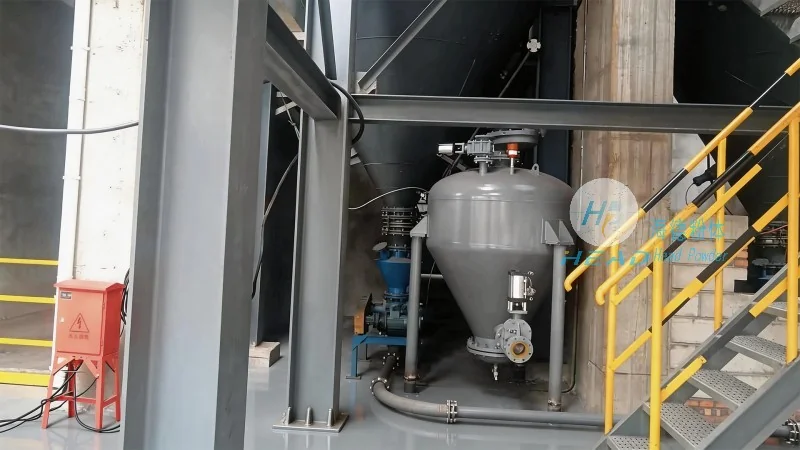
Application Examples in Industrial Settings
Pneumatic conveying systems for calcined lime are widely used in various industrial applications. For instance, in cement and concrete production, calcined lime is conveyed from storage silos to mixing plants to adjust the chemical composition of the final product. In chemical processing, it is used as a raw material in the production of calcium-based chemicals, where the system ensures a consistent and controlled feed rate. In environmental treatment facilities, calcined lime is used for flue gas desulfurization and wastewater treatment, and the pneumatic conveying system provides a reliable method to transport the material to the treatment units.
Conclusion and Company Profile
HeadPowder Engineering Co., Ltd., based in Shandong, China, is a trusted provider of pneumatic conveying solutions tailored to the specific needs of calcined lime handling. With years of experience in the industry, the company offers customized systems that ensure efficient, safe, and cost-effective material transport. By leveraging advanced technology and rigorous quality control, HeadPowder delivers solutions that meet the highest standards of performance and reliability, helping industries optimize their operations and enhance productivity.