

Operation Process and Working Principle of Pneumatic Conveying for Cement Particle Materials
For industrial applications involving the transport of cement and other fine particulate materials, pneumatic conveying systems offer an efficient and reliable solution. These systems utilize air or gas to move bulk materials through pipelines, eliminating the need for mechanical components like conveyors or buckets. The operation process and working principles of such systems are crucial for understanding their performance and suitability in various production environments.
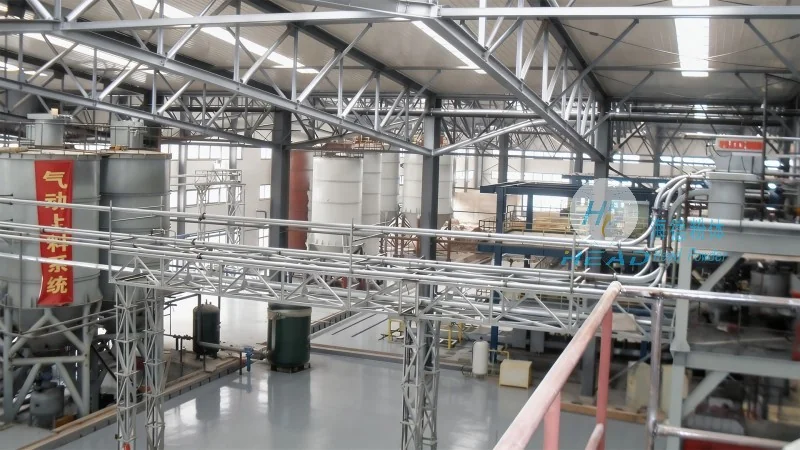
Working Principle of Pneumatic Conveying
The core of a pneumatic conveying system lies in its ability to generate a pressure differential that propels the material. In a typical system, a blower or compressor creates a high-pressure air stream within the pipeline. As the air flows, it draws the cement particles into the system through a hopper or inlet. The air and material mixture then travels through the pipeline to the discharge point, where the air is separated from the material, often using a cyclone or filter. This separation allows the cement to be deposited at the desired location while the air is either recirculated or vented, depending on the system design.
Key Components and Their Roles
Several critical components work together to ensure the smooth operation of a pneumatic conveying system for cement particles. The primary components include the air supply unit (blower or compressor), the material hopper or feeder, the conveying pipeline, the discharge equipment, and the separation system. The air supply unit provides the necessary pressure and airflow to move the material. The hopper or feeder ensures a consistent feed of cement particles into the system, preventing blockages and maintaining a steady flow. The pipeline is designed to handle the pressure and material characteristics, with appropriate diameters and bends to minimize pressure loss. The discharge equipment, such as a rotary valve or gate valve, controls the release of the material at the destination. The separation system, typically a cyclone separator, separates the air from the cement particles, ensuring that the material is collected efficiently and the air is cleaned before recirculation.
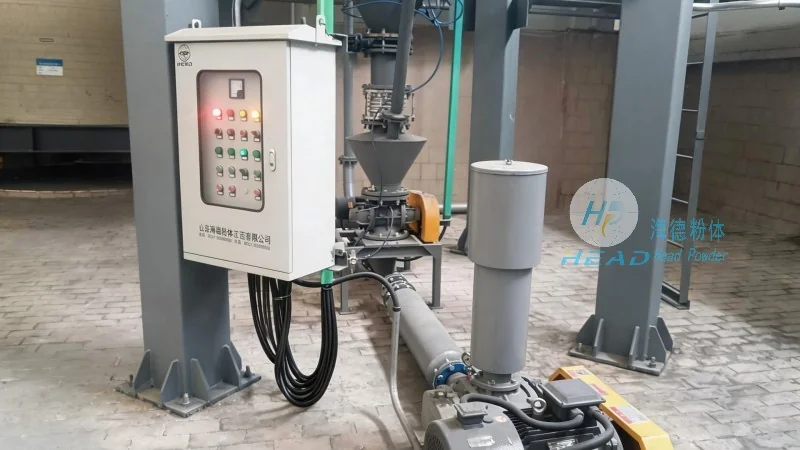
Operation Process of a Cement Particle Pneumatic Conveying System
The operation process of a pneumatic conveying system for cement particles involves several sequential steps. First, the cement is stored in a silo or hopper, from which it is fed into the system. The feeder, often a rotary or vibratory type, controls the rate of material discharge into the conveying pipeline. Simultaneously, the air supply unit starts operating, generating the required airflow and pressure. As the air flows through the pipeline, it entrains the cement particles, creating a slurry-like mixture. The mixture travels through the pipeline to the discharge point, where it enters the separation system. In the cyclone separator, the centrifugal force causes the cement particles to be deposited in the collection chamber, while the air passes through the center and is either filtered or recirculated. The separated cement is then discharged into a storage bin or directly to the next production stage. The air, now clean, is either vented to the atmosphere or recirculated back to the blower, depending on the system's design and environmental regulations.
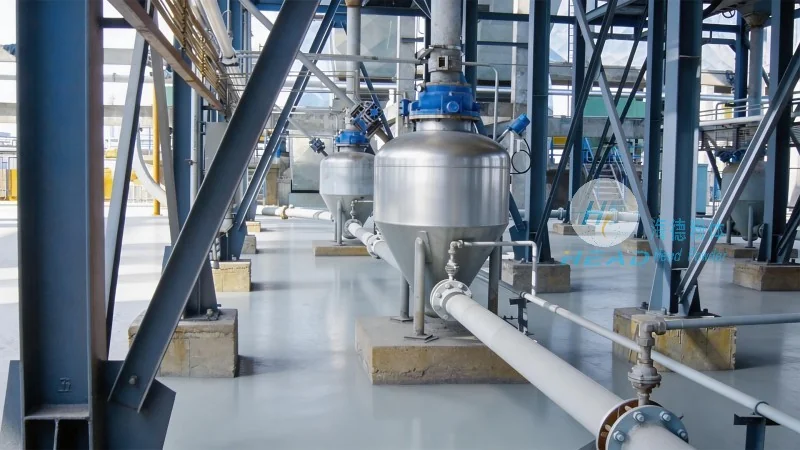
Advantages of Pneumatic Conveying for Cement Particle Transport
Pneumatic conveying systems offer several advantages when transporting cement particles compared to traditional mechanical methods. One of the key benefits is the ability to handle fine and abrasive materials without causing wear and tear on the equipment. The lack of moving parts in the pipeline reduces maintenance requirements and extends the system's lifespan. Additionally, pneumatic conveying can be integrated into existing production lines with minimal modifications, as it can operate in both positive and negative pressure modes. The system also provides better control over the material flow rate, ensuring consistent delivery to downstream processes. Furthermore, it helps maintain the quality of the cement by preventing contamination from external sources and reducing the risk of dust exposure for operators.

Applications and Industries
Pneumatic conveying systems for cement particle materials are widely used in various industries, including cement manufacturing, construction materials processing, and chemical production. In cement plants, these systems are used to transport raw materials, clinker, and finished cement between different stages of the production process. In construction material processing facilities, they are employed to move cement from storage silos to mixing plants or batching stations. The systems are also utilized in chemical industries to transport fine powders, such as pigments or additives, which require gentle handling to avoid degradation.
Considerations for System Design and Installation
When designing and installing a pneumatic conveying system for cement particles, several factors must be considered to ensure optimal performance and efficiency. The first consideration is the material characteristics, including particle size, density, and moisture content. These factors influence the system's pressure requirements and the type of equipment needed. The second consideration is the system's capacity, which must be matched to the production demand to avoid bottlenecks or overloading. The third consideration is the layout and distance of the conveying pipeline, as longer distances or higher elevations require higher pressure and more powerful air supply units. Additionally, the system's integration with existing infrastructure, such as silos and storage facilities, must be carefully planned to ensure smooth operation and minimal disruption to the production process.