

Operation Process and Working Principle of Pneumatic Conveying for Bauxite Materials
Bauxite, a primary ore used in aluminum production, requires efficient and reliable material handling solutions to ensure smooth industrial operations. Pneumatic conveying systems offer an advanced method for transporting bauxite and other bulk materials, combining efficiency with minimal maintenance requirements. This article explores the operation process and working principles of such systems, highlighting their importance in modern industrial applications.
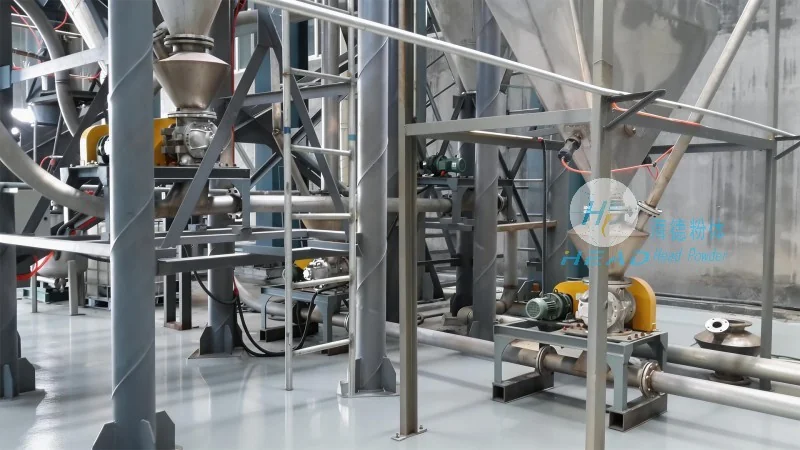
Company Overview: Shandong HeadPowder Engineering Co., Ltd.
HeadPowder, a leading engineering firm based in Shandong, China, specializes in the design, manufacturing, and installation of pneumatic conveying systems tailored to the needs of various industries. With a strong focus on innovation and customer satisfaction, HeadPowder has established itself as a trusted partner for companies seeking efficient material handling solutions. The company’s expertise in bauxite material handling has enabled it to deliver high-performance systems that meet the demands of aluminum production and other related sectors.
Understanding Pneumatic Conveying for Bauxite
Pneumatic conveying involves the use of air or gas to transport bulk materials through a pipeline system. For bauxite, which is typically a fine or semi-fine powder, this method is particularly effective due to its ability to handle abrasive and dusty materials without causing significant wear on equipment. The system operates by creating a pressure differential that moves the material through the pipeline, ensuring a continuous and controlled flow.
The Operation Process of Bauxite Pneumatic Conveying
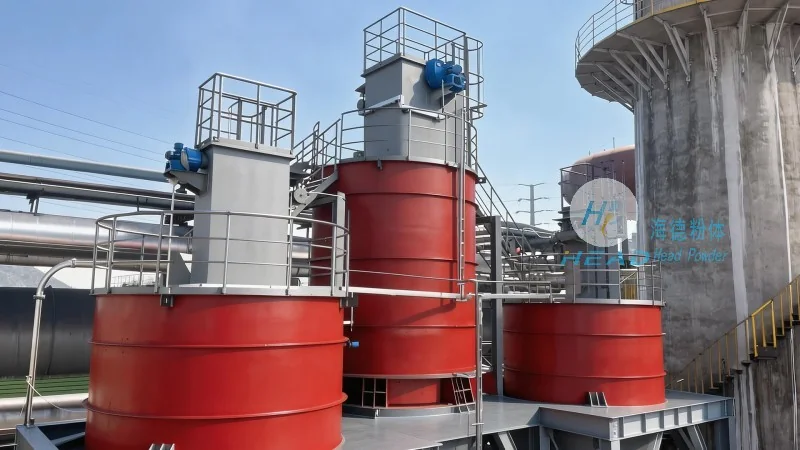
The operation process of a bauxite pneumatic conveying system involves several key steps. First, the bauxite material is fed into the system, often using a hopper or feeder that ensures a consistent flow rate. The material is then introduced into the conveying line, where it is mixed with air or gas under controlled pressure. As the mixture travels through the pipeline, the air velocity is maintained at a level sufficient to keep the material suspended, preventing blockages and ensuring smooth transport. At the discharge point, the material is separated from the air, typically through a cyclone or filter system, and collected in a storage bin or processing unit.
Working Principle of Bauxite Pneumatic Conveying Systems
The working principle of bauxite pneumatic conveying systems is based on the principles of fluid dynamics and particle transport. The system utilizes a blower or compressor to generate the necessary air pressure, which creates a pressure differential between the inlet and outlet of the pipeline. The air velocity is critical; it must be high enough to overcome the gravitational force acting on the bauxite particles and maintain them in suspension. The design of the pipeline, including the use of bends, expansions, and contractions, is carefully engineered to minimize pressure losses and ensure efficient material transport. Additionally, the system may incorporate features such as pulse jets or rotary valves to control the flow and prevent material buildup in the pipeline.
Key Components of a Bauxite Pneumatic Conveying System
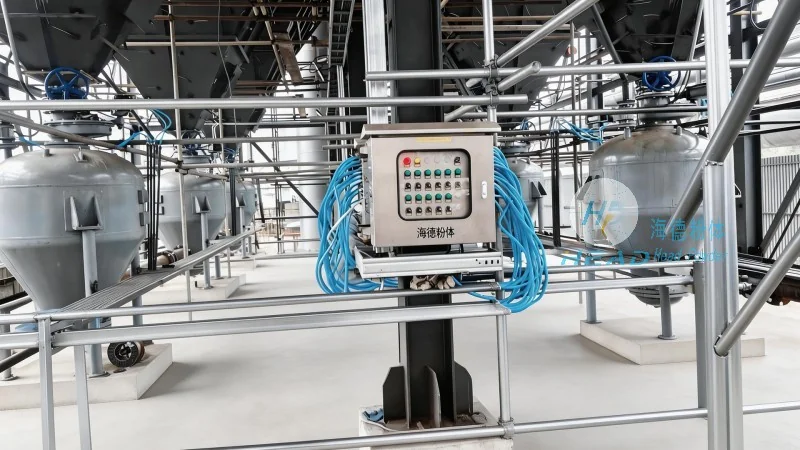
A bauxite pneumatic conveying system consists of several essential components that work together to achieve efficient material transport. These include the feeding equipment (such as hoppers and feeders), the conveying pipeline (made of durable materials like stainless steel or special alloys to resist corrosion and abrasion), the air supply system (including blowers or compressors), and the separation and collection equipment (like cyclones or filters). Each component is designed to handle the specific characteristics of bauxite, such as its particle size, density, and moisture content, ensuring optimal performance and longevity of the system.
Advantages of Pneumatic Conveying for Bauxite Handling
Pneumatic conveying offers several advantages over traditional material handling methods for bauxite. These include the ability to transport materials over long distances without the need for intermediate storage or transfer points, reducing the risk of contamination and material loss. The system is also relatively compact, allowing for installation in limited spaces, and can be easily integrated with existing industrial processes. Additionally, pneumatic conveying systems are less prone to blockages and can handle a wide range of material types, including fine powders and granules. The low maintenance requirements and energy efficiency of these systems further enhance their appeal for bauxite handling applications.
Application Examples in the Aluminum Industry
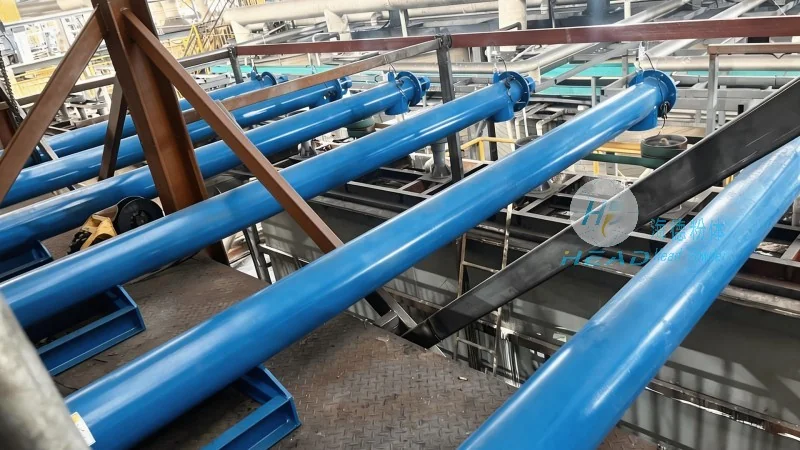
Bauxite pneumatic conveying systems are widely used in the aluminum industry, where they play a crucial role in transporting raw materials from storage to processing units. For example, in aluminum smelting plants, bauxite is conveyed from stockpiles to digestion tanks, where it is processed to extract alumina. The efficiency of the pneumatic conveying system ensures a consistent supply of raw material, which is essential for maintaining production rates and quality standards. In addition, the system can be used to transport bauxite from mining sites to processing facilities, facilitating the entire supply chain process.
Conclusion and Company Commitment
Pneumatic conveying systems for bauxite material handling represent a sophisticated and efficient solution for modern industrial needs. By understanding the operation process and working principles of these systems, companies can optimize their material transport operations and improve overall productivity. Shandong HeadPowder Engineering Co., Ltd. remains committed to providing high-quality pneumatic conveying systems tailored to the specific requirements of bauxite handling, ensuring reliable and cost-effective solutions for its clients. With its expertise and dedication to innovation, HeadPowder continues to be a leader in the field of material handling engineering, supporting the aluminum industry and other sectors with advanced and reliable systems.