

Operation Process and Working Principle of Pearl Sand Material Pneumatic Conveying
HeadPowder, a leading engineering company based in Shandong, China, specializes in the design, manufacturing, and implementation of advanced pneumatic conveying systems for various industrial applications. This article provides a detailed overview of the operation process and working principle of pneumatic conveying systems specifically tailored for pearl sand materials, highlighting the technical aspects, operational efficiency, and practical applications in industrial settings.
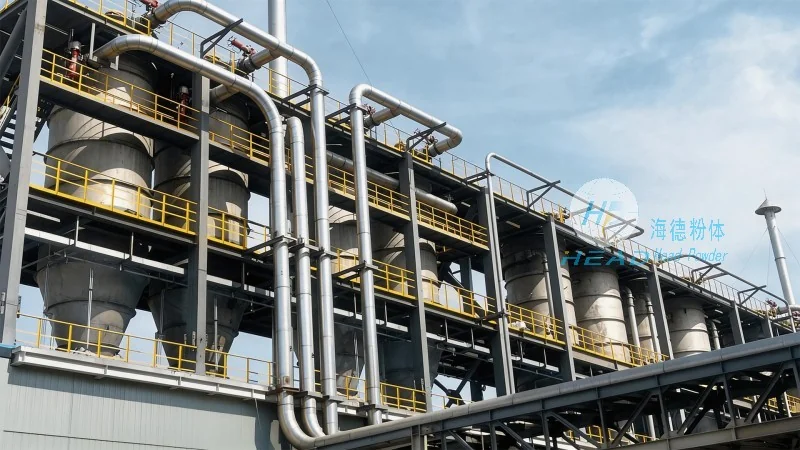
Understanding Pneumatic Conveying Systems
Pneumatic conveying, also known as pneumatic transport, is a method of transporting bulk materials through a pipeline using a gas stream, typically air or other gases. This technology offers a flexible and efficient solution for moving materials like pearl sand, which are often used in foundries, casting processes, and other industrial operations. The system operates by creating a pressure differential or using a vacuum to move the material through the pipeline, ensuring a continuous and controlled flow.
Key Components of a Pneumatic Conveying System
The pneumatic conveying system for pearl sand typically consists of several critical components that work in tandem to ensure smooth operation. These include the material feed hopper, which stores and feeds the pearl sand into the system; the conveying line, which is the main pipeline through which the material travels; the air compressor or vacuum pump, which provides the necessary pressure or vacuum to move the material; and the control valves and regulators, which manage the flow and pressure within the system. Additionally, the system may include filters and cyclones to separate the material from the air stream and prevent clogging or damage to downstream equipment.
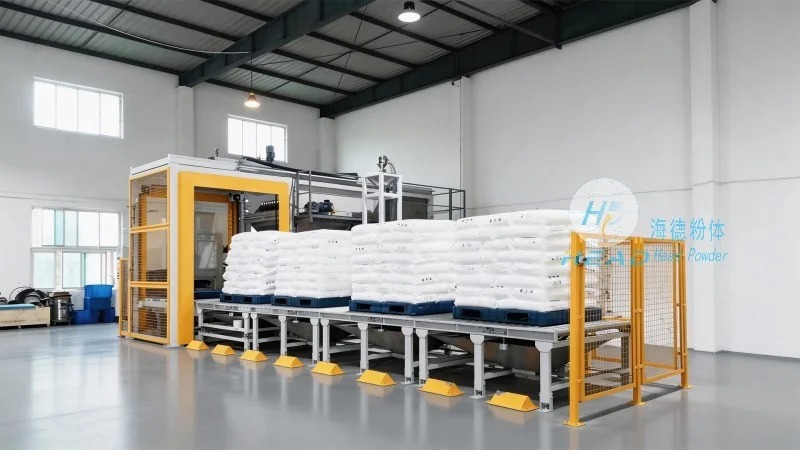
The Operation Process of Pearl Sand Pneumatic Conveying
The operation process of a pneumatic conveying system for pearl sand involves several sequential steps, each designed to ensure the material is transported efficiently and safely. The process begins with the material being loaded into the feed hopper. The hopper is equipped with a feeder, such as a rotary valve or a screw feeder, which controls the rate at which the pearl sand is released into the conveying line. As the material enters the line, the air compressor or vacuum pump generates a high-pressure air stream, which propels the material forward through the pipeline. The air stream is carefully controlled to maintain a consistent velocity, preventing the material from settling or causing blockages. The conveying line is designed with appropriate bends and fittings to accommodate the material's trajectory, ensuring minimal pressure loss and optimal flow. At the receiving end, the system may include a separator, such as a cyclone or a filter, which separates the pearl sand from the air stream, allowing the material to be discharged into a storage bin or processing equipment. The air is then filtered and recycled back into the system, reducing energy consumption and environmental impact.
Working Principle of Pneumatic Conveying for Pearl Sand
The working principle of pneumatic conveying for pearl sand is based on the fundamental physics of fluid dynamics and particle movement. When the air stream is introduced into the conveying line, it creates a low-pressure zone that draws the pearl sand particles into the flow. The particles are then carried along by the air stream, with the velocity of the air determining the capacity and efficiency of the system. The key to effective pneumatic conveying is maintaining a sufficient air-to-material ratio, which balances the need to move the material with the energy required to do so. This ratio is critical in preventing the material from settling or causing excessive wear on the system components. The system's design, including the size of the conveying line, the type of air compressor, and the control mechanisms, all contribute to optimizing the working principle for specific pearl sand characteristics, such as particle size, density, and moisture content.
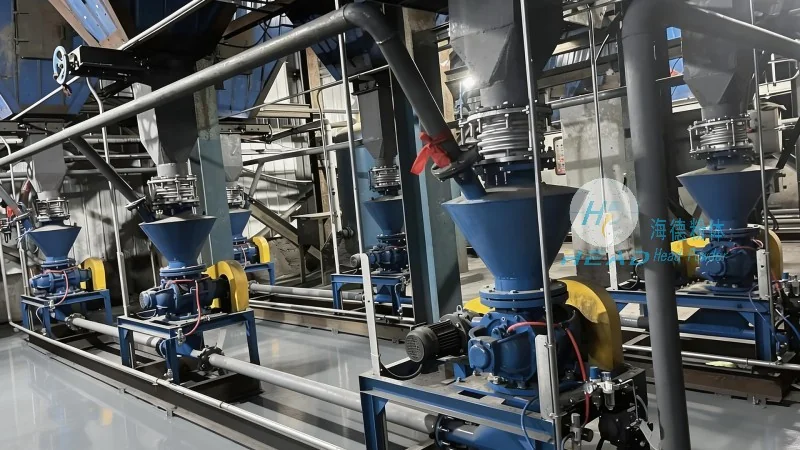
Benefits and Applications of Pearl Sand Pneumatic Conveying
Pneumatic conveying systems for pearl sand offer numerous benefits that make them an attractive choice for industrial applications. These include high efficiency in material transport, with the ability to move large quantities of material over long distances with minimal labor. The system is also flexible, allowing for changes in material flow rates and destinations without significant modifications. Additionally, pneumatic conveying is a clean and dust-free method, which is particularly important for pearl sand, as it can be used in environments where dust control is critical. The system is also suitable for transporting materials in hazardous or sensitive environments, as it eliminates the need for manual handling and reduces the risk of contamination. In industrial settings, pearl sand pneumatic conveying is commonly used in foundries for transporting sand for casting processes, in construction for sand handling in concrete production, and in other industries where bulk material transport is required.
Conclusion and Company Overview
HeadPowder Engineering Co., Ltd., based in Shandong, China, is a trusted provider of pneumatic conveying systems for pearl sand and other industrial materials. With years of experience and expertise in engineering and manufacturing, the company designs and implements customized solutions that meet the specific needs of its clients. The operation process and working principle of pneumatic conveying systems, as described above, demonstrate the efficiency and reliability of this technology in moving pearl sand materials. By leveraging advanced engineering and quality components, HeadPowder ensures that its systems deliver optimal performance, energy efficiency, and durability, making them a preferred choice for industries requiring reliable bulk material transport solutions.