

Operation Process and Working Principle of Fracking Sand Material Pneumatic Conveying
Fracking sand material pneumatic conveying systems are critical components in the oil and gas industry, particularly for hydraulic fracturing operations. These systems efficiently transport proppant (such as sand or ceramic particles) from storage silos to the well site, ensuring consistent and reliable delivery. The technology behind these systems combines fluid dynamics, mechanical engineering, and material handling principles to achieve high-performance transport with minimal downtime.
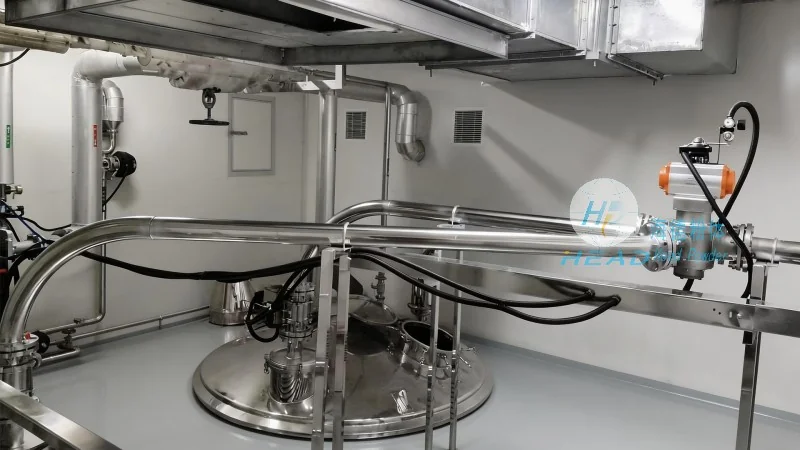
Key Components of the Pneumatic Conveying System
The core components of a fracking sand pneumatic conveying system include the material hopper, air compressor, conveying pipeline, and discharge hopper. The material hopper stores the proppant and feeds it into the system via a rotary valve or feeder. The air compressor generates the necessary air pressure to move the material through the pipeline. The conveying pipeline, typically made of stainless steel or other corrosion-resistant materials, ensures the material is transported without blockages. The discharge hopper collects the proppant at the well site, ready for use in fracturing operations.
Working Principle of the Pneumatic Conveying Process
The operation of a fracking sand pneumatic conveying system follows a sequential process. First, the proppant is loaded into the material hopper. The rotary valve or feeder then metered the material into the conveying pipeline. Simultaneously, the air compressor supplies high-pressure air into the pipeline. The air and material mixture travels through the pipeline at high velocity, creating a slurry-like flow that transports the proppant to the discharge point. At the well site, the air is separated from the material, and the proppant is collected in the discharge hopper. This process is continuous and can be adjusted to handle varying material flow rates and distances.
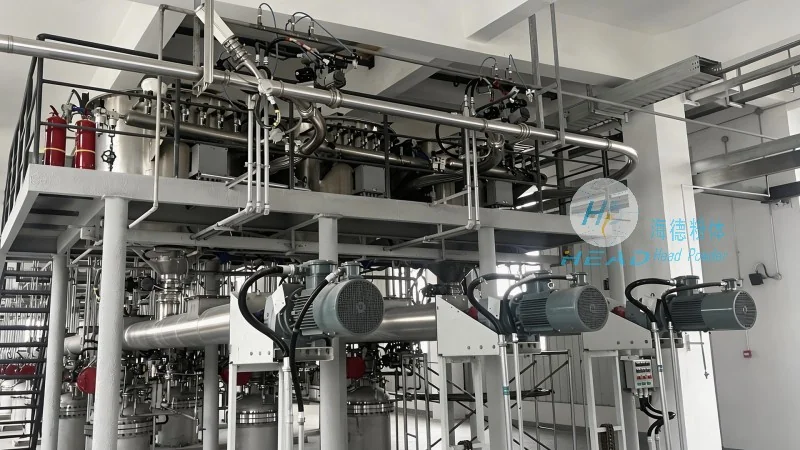
Operation Process: Step-by-Step Overview
The operation process of a fracking sand pneumatic conveying system involves several key steps. Initially, the system is prepared by loading the material hopper with the required proppant. The air compressor is then started, and the air pressure is adjusted to the optimal level for the specific material and distance. The rotary valve or feeder begins to discharge the material into the pipeline, initiating the conveying process. The system monitors the flow rate and pressure to ensure consistent performance. During operation, the system may need to adjust air pressure or material feed rate to maintain stable transport. At the end of the operation, the air compressor is shut down, and the material hopper is emptied. The entire process is designed to be efficient, with minimal manual intervention required.
Advantages of Pneumatic Conveying for Fracking Sand
Pneumatic conveying systems offer several advantages over traditional methods like truck transport or belt conveyors. These include reduced labor costs, as the system automates the material handling process. There is also a lower risk of material contamination, as the system is enclosed and sealed. Additionally, pneumatic conveying can handle a wide range of material sizes and types, making it versatile for different fracturing applications. The system also reduces environmental impact by minimizing dust emissions and the need for heavy machinery at the well site.
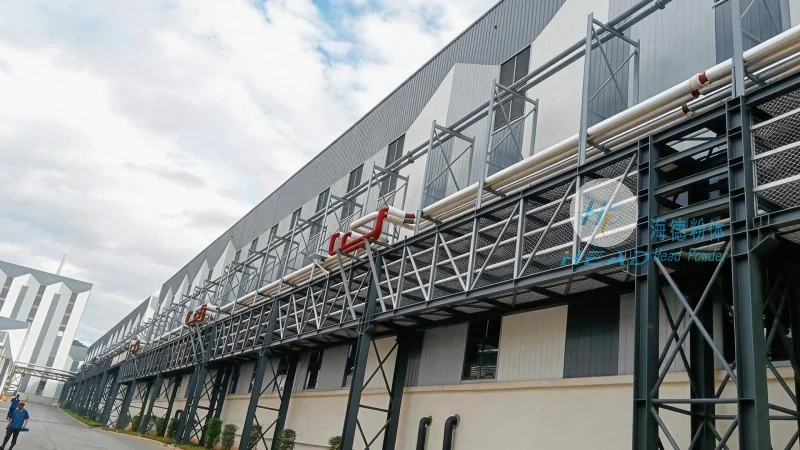
Applications in the Oil and Gas Industry
Fracking sand pneumatic conveying systems are widely used in the oil and gas industry, particularly in regions with high oil and gas production. These systems are essential for transporting proppant to well sites, especially in remote or difficult-to-access areas. The technology is also used in horizontal well fracturing, where long-distance transport of large quantities of proppant is required. The systems are designed to handle high flow rates and pressures, ensuring that the proppant is delivered to the well in a timely manner, which is critical for successful fracturing operations.
Conclusion: The Role of Advanced Pneumatic Conveying in Modern Fracturing
Advanced pneumatic conveying systems, such as those offered by Shandong HeadPowder Engineering Co., Ltd., play a vital role in modern hydraulic fracturing operations. These systems combine efficient material handling with reliable performance, ensuring that proppant is delivered to the well site with minimal downtime and maximum efficiency. By understanding the operation process and working principles of these systems, operators can optimize their fracturing processes and improve overall well productivity. The technology continues to evolve, with advancements in materials and control systems enhancing the performance and reliability of pneumatic conveying systems for fracking sand.