

Operation Process and Working Principle of Cotton Seed Material Pneumatic Conveying
Efficient and reliable material handling is crucial in the cotton seed processing industry, and pneumatic conveying systems have emerged as a preferred solution for transporting cotton seed materials. This article delves into the operation process and working principles of cotton seed material pneumatic conveying, highlighting the key components, operational mechanisms, and the role of specialized equipment in ensuring smooth and efficient material transport. The focus is on understanding how these systems function to meet the demands of modern cotton seed processing operations.
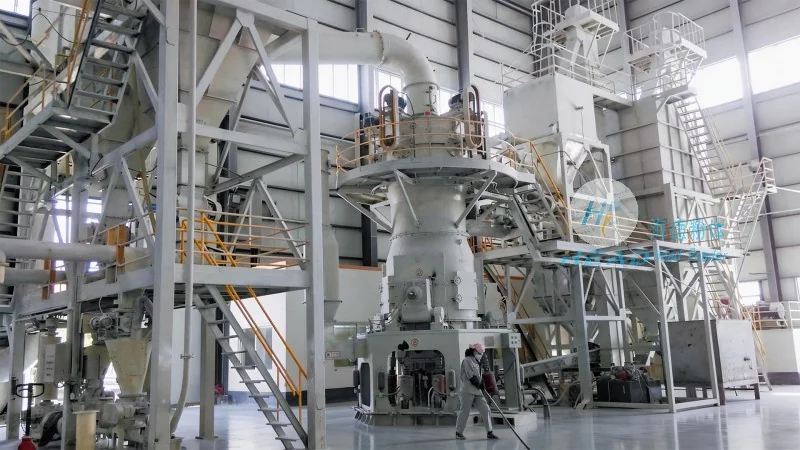
Understanding Pneumatic Conveying Systems for Cotton Seed Materials
Pneumatic conveying systems utilize air or gas to transport bulk materials like cotton seeds through a pipeline network. These systems are designed to handle various material characteristics, including size, density, and moisture content, making them versatile for different cotton seed processing applications. The core components of a typical pneumatic conveying system include a material feed hopper, a conveyor line (often with multiple sections), a control system, and a dust collection or filtration unit. Each component plays a vital role in the overall operation, ensuring that cotton seeds are transported safely and efficiently from the source to the destination.
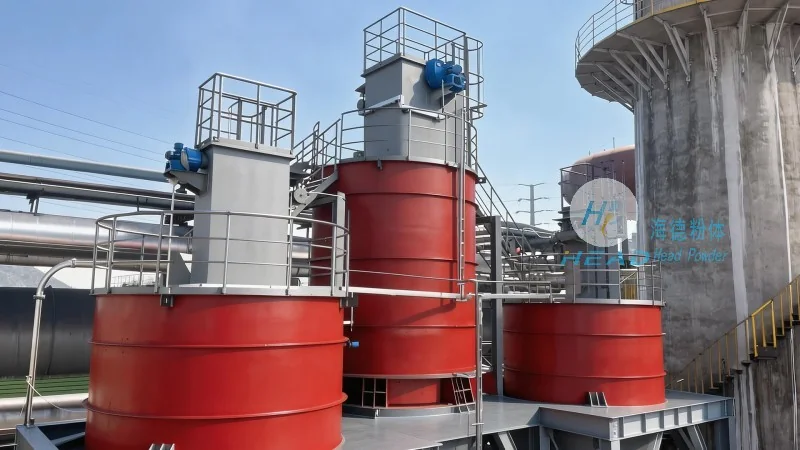
The Operation Process of Cotton Seed Material Pneumatic Conveying
The operation process of cotton seed material pneumatic conveying involves several sequential steps that ensure the smooth movement of materials through the system. The process begins with the loading of cotton seeds into the material feed hopper. The hopper is equipped with a feeding mechanism, such as a rotary valve or a screw feeder, which controls the flow rate of the seeds into the conveyor line. As the seeds enter the conveyor line, a high-pressure air stream is introduced, creating a flow that propels the seeds forward. The air pressure and velocity are carefully regulated to maintain the optimal conveying conditions, preventing material degradation or blockages. The conveyor line may consist of straight sections and bends, with appropriate fittings and valves to direct the flow and control the pressure. At the receiving end, the cotton seeds are discharged into a storage bin or processing unit, completing the conveying cycle. The entire process is monitored by a control system that adjusts air pressure, flow rates, and other parameters to maintain consistent performance and prevent operational issues.
Working Principles of Cotton Seed Material Pneumatic Conveying
The working principles of cotton seed material pneumatic conveying are based on the fundamental concept of fluidization and suspension. When air is introduced into the conveyor line at a high velocity, it creates a fluidized bed of cotton seeds, where the particles are suspended and transported along with the air stream. This suspension mechanism allows for the efficient movement of bulk materials without the need for mechanical contact, reducing wear and tear on the system components. The key principles include the balance between air velocity and material density, ensuring that the seeds remain in suspension without settling or clogging the pipeline. Additionally, the system incorporates features such as air filtration and dust collection to maintain air quality and comply with environmental regulations. The control system plays a critical role in maintaining these parameters, using sensors and feedback mechanisms to adjust the air pressure and flow rates in real-time. This dynamic adjustment ensures that the conveying process remains stable and efficient, even with variations in material characteristics or system load.
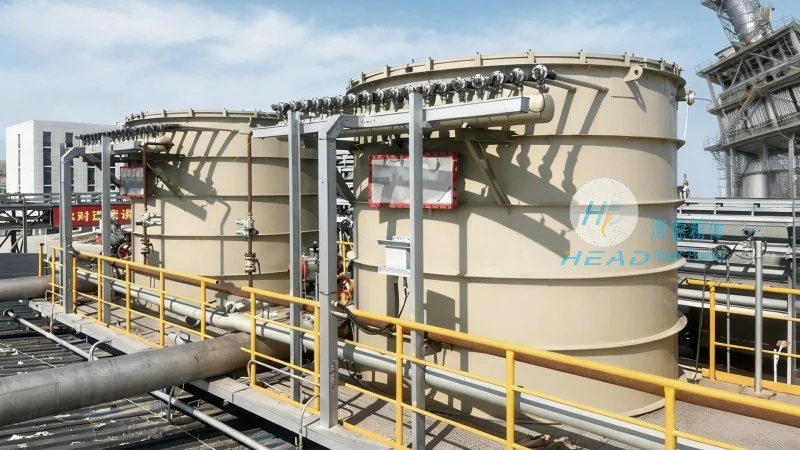
Key Components and Their Functions in Cotton Seed Pneumatic Conveying Systems
Several key components are integral to the effective operation of cotton seed material pneumatic conveying systems. The material feed hopper is the initial point of material intake, designed to hold a sufficient quantity of cotton seeds and provide a controlled feed to the conveyor line. The hopper is typically equipped with a level indicator and a feeding mechanism that regulates the flow rate based on the system's demand. The conveyor line itself is constructed from durable materials, such as stainless steel or corrosion-resistant alloys, to withstand the abrasive nature of cotton seeds and the effects of moisture. The line includes various fittings, such as elbows, tees, and valves, which are used to direct the flow and control the pressure. The air compressor or blower is responsible for generating the high-pressure air stream, with the capacity adjusted to match the system's conveying requirements. The control system integrates sensors and actuators to monitor and adjust the system parameters, ensuring optimal performance. Finally, the dust collection or filtration unit is essential for maintaining air quality and complying with environmental standards, capturing any fine particles or dust generated during the conveying process.