

Operation Process and Working Principle of Paddy Husk Material Pneumatic Conveying
HeadPowder, a leading engineering company based in Shandong, China, specializes in the design and implementation of pneumatic conveying systems tailored for paddy husk material handling. This article provides a detailed overview of the operational process and underlying working principles of such systems, offering insights into their efficiency and reliability in industrial applications.

Overview of Paddy Husk Pneumatic Conveying Systems
Paddy husk, a byproduct of rice processing, is commonly used as fuel in power plants and as raw material for biofuels. Efficient and safe transportation of this lightweight, abrasive material is crucial for maintaining production continuity and minimizing operational downtime. Pneumatic conveying systems offer a solution by utilizing air to transport the material through a network of pipes, eliminating the need for mechanical components that might be prone to wear or contamination.
Key Components of the Pneumatic Conveying System
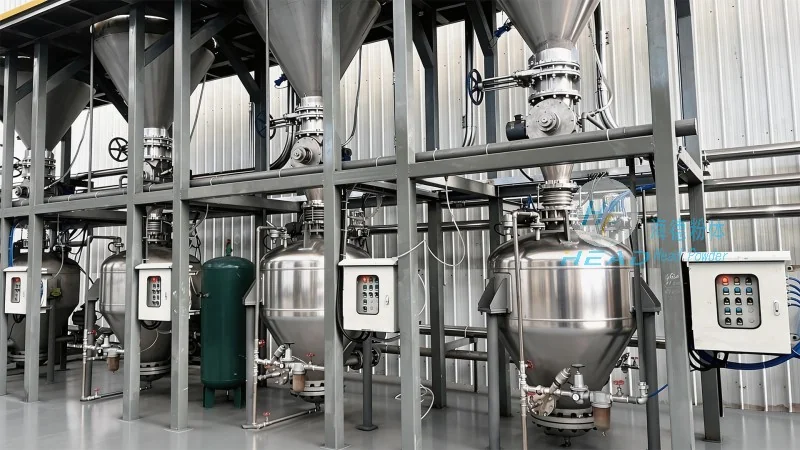
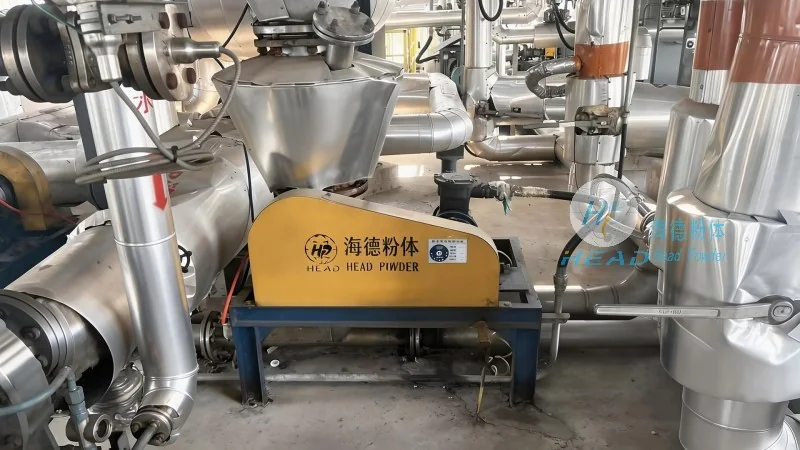
The core components of a paddy husk pneumatic conveying system include the material feed hopper, air compressor, conveying pipes, and a receiver or discharge unit. The feed hopper ensures a consistent supply of paddy husk, while the air compressor generates the necessary pressure to move the material. The conveying pipes are typically made of corrosion-resistant materials like stainless steel or plastic to withstand the abrasive nature of the husk. The receiver collects the conveyed material and may include a dust collection system to maintain air quality.
Operation Process: Step-by-Step
The operation of a paddy husk pneumatic conveying system follows a systematic sequence to ensure smooth material transport. The process begins with the loading of paddy husk into the feed hopper. As the material is released, the air compressor starts, and compressed air is introduced into the conveying pipes. The air flow creates a negative pressure or positive pressure environment, depending on the system design, to pull or push the material through the pipes. The material is carried as a suspension of particles in the air stream, traveling from the feed point to the discharge point. At the receiving end, the air is separated from the material, and the husk is collected in the receiver. The system may include a cyclone separator or a bag filter to remove any fine particles from the exhaust air, ensuring compliance with environmental regulations.
Working Principle: How It Works
The working principle of a pneumatic conveying system for paddy husk relies on the interaction between air flow and the material particles. In a positive pressure system, compressed air is injected at the feed point, creating a high-pressure zone that pushes the material through the pipes. The air velocity is maintained above the minimum fluidization velocity of the husk particles to keep them suspended and prevent settling. In a negative pressure (or suction) system, the air is drawn from the discharge end, creating a low-pressure zone that pulls the material from the feed point. Both systems utilize the principle of fluidization, where the air flow provides the necessary kinetic energy to transport the material. The efficiency of the system depends on factors such as air pressure, flow rate, pipe diameter, and the properties of the paddy husk, including its moisture content and particle size distribution.
Advantages of Paddy Husk Pneumatic Conveying
Implementing a pneumatic conveying system for paddy husk offers several advantages over traditional mechanical conveying methods. Firstly, it eliminates the need for moving parts like conveyor belts or buckets, reducing maintenance costs and extending equipment lifespan. Secondly, the system provides a dust-free environment, improving workplace safety and reducing the risk of fire hazards associated with dry, combustible materials. Thirdly, pneumatic conveying allows for flexible system layouts, as the material can be transported through vertical, horizontal, or inclined pipes, adapting to the spatial constraints of the processing facility. Additionally, the system can handle high volumes of material with minimal energy consumption compared to other bulk material handling solutions.
HeadPowder's Expertise in Pneumatic Conveying Solutions
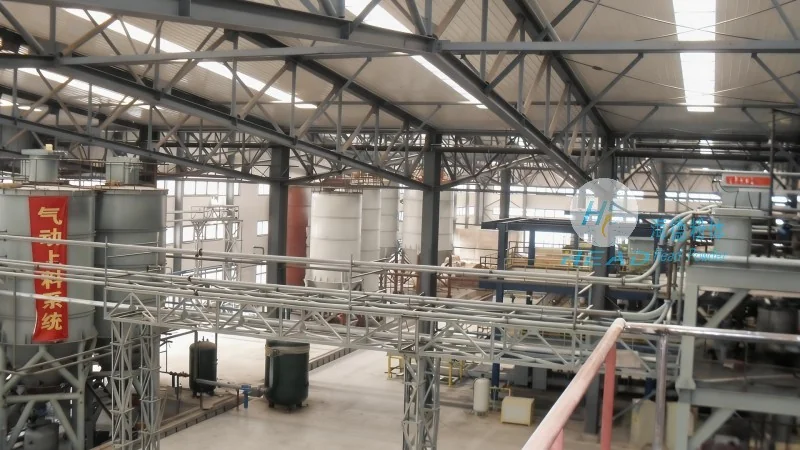
Shandong HeadPowder Engineering Co., Ltd., operating under the brand name HeadPowder, has extensive experience in designing and manufacturing pneumatic conveying systems for diverse industrial applications, including paddy husk handling. The company's engineering team leverages advanced design software and industry best practices to develop customized solutions that meet the specific requirements of each client. With a focus on reliability, efficiency, and safety, HeadPowder ensures that its systems are built to withstand the harsh conditions of paddy husk processing, such as high temperatures and abrasive particle impacts. The company's commitment to quality is reflected in its adherence to international standards and rigorous testing protocols, ensuring that every system delivered meets the highest performance and safety benchmarks.
Conclusion
Paddy husk pneumatic conveying systems represent a sophisticated and efficient solution for the transportation of this critical agricultural byproduct. By understanding the operational process and working principles of such systems, industrial facilities can optimize their material handling operations, enhance productivity, and reduce operational costs. HeadPowder, with its expertise and commitment to quality, continues to provide reliable pneumatic conveying solutions that support the sustainable processing of paddy husk, contributing to the broader goals of energy efficiency and environmental responsibility in the agricultural sector.