

Operation Process and Working Principle of Pneumatic Conveying for Light Calcium Materials
Shandong HeadPowder Engineering Co., Ltd., a leading provider in the field, specializes in the design, manufacturing, and implementation of pneumatic conveying systems tailored for light calcium materials. These systems are essential for efficiently transporting calcium carbonate powders, which are widely used in various industries such as construction, plastics, and paper manufacturing. The company's expertise lies in understanding the unique properties of light calcium materials—like their fine particle size, low bulk density, and tendency to agglomerate—and designing systems that address these challenges effectively.
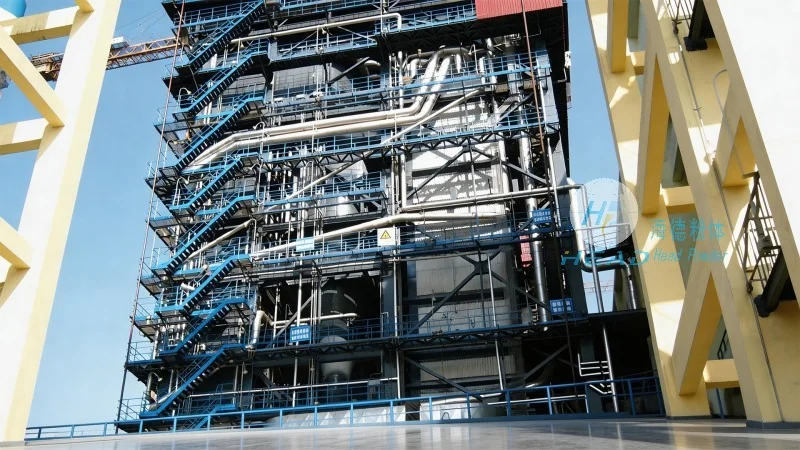
Understanding Pneumatic Conveying: The Core Principle
Pneumatic conveying is a method of transporting bulk materials through a pipeline using a stream of air or other gas. In the case of light calcium materials, this process involves creating a flow of air that lifts and moves the powder particles through the system. The working principle revolves around the balance between the air velocity and the material's properties. When the air velocity is sufficient to overcome the gravitational force acting on the particles, the material is entrained and conveyed. This method is particularly advantageous for light calcium materials because it avoids the need for mechanical components like belts or buckets, reducing maintenance and operational costs.
The Operation Process of Pneumatic Conveying for Light Calcium Materials
The operation process of a pneumatic conveying system for light calcium materials typically involves several key stages. First, the material is fed into the system, often from a hopper or silo, using a feeder device. The feeder ensures a consistent flow rate, which is critical for maintaining stable conveying conditions. Next, the material is introduced into the conveying line, where it is mixed with the air stream. The air is generated by a blower or compressor, which provides the necessary pressure and velocity to move the particles. As the material travels through the pipeline, it may encounter various components such as bends, filters, and separators. These components help to maintain the flow and prevent blockages. Finally, the material is discharged at the destination point, such as a storage silo or processing unit. Throughout this process, the system is monitored for pressure, flow rate, and other parameters to ensure optimal performance.
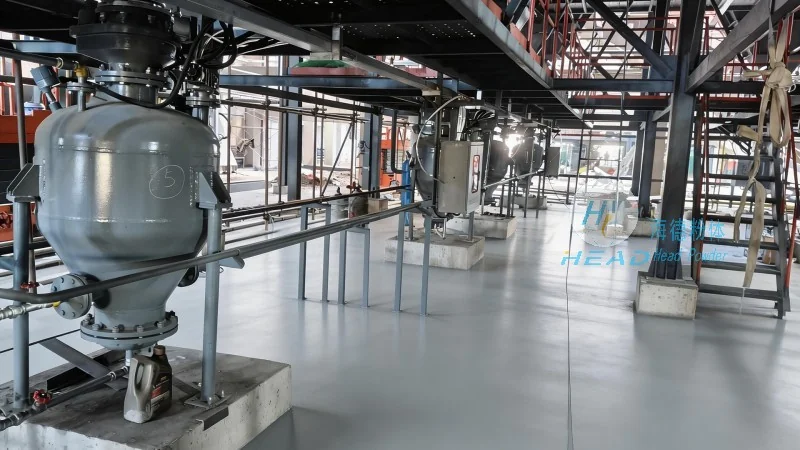
Key Components and Their Roles in the System
Several key components are integral to the successful operation of a pneumatic conveying system for light calcium materials. The blower or compressor is the primary source of air, providing the necessary pressure to move the material. The feeder ensures a uniform material flow, preventing surges or gaps that could disrupt the conveying process. The conveying pipeline is typically made of materials like stainless steel or plastic, chosen for their resistance to corrosion and wear from the light calcium particles. The bends and elbows in the pipeline are designed with smooth transitions to minimize pressure losses and prevent particle accumulation. Filters and separators are used to remove any fines or moisture from the material, ensuring the quality of the conveyed product. Finally, the discharge equipment, such as a rotary valve or gate valve, controls the release of the material at the destination.
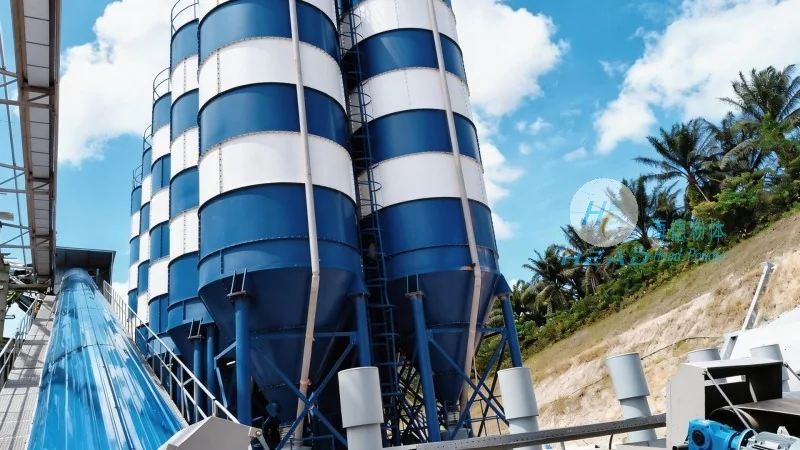
Advantages of Pneumatic Conveying for Light Calcium Materials
Implementing a pneumatic conveying system for light calcium materials offers numerous advantages over traditional mechanical conveying methods. One of the most significant benefits is the reduction in labor and maintenance costs. Since there are no moving parts in direct contact with the material, the system requires less frequent maintenance and has a longer operational life. Additionally, pneumatic conveying is more hygienic and cleaner, as it eliminates the need for manual handling and reduces dust exposure. The system also provides better control over the material flow, allowing for precise dosing and consistent product quality. Furthermore, it can handle materials with varying particle sizes and moisture content, making it versatile for different applications. The energy efficiency of pneumatic conveying is another key advantage, as it uses less power compared to other conveying methods while achieving high throughput rates.
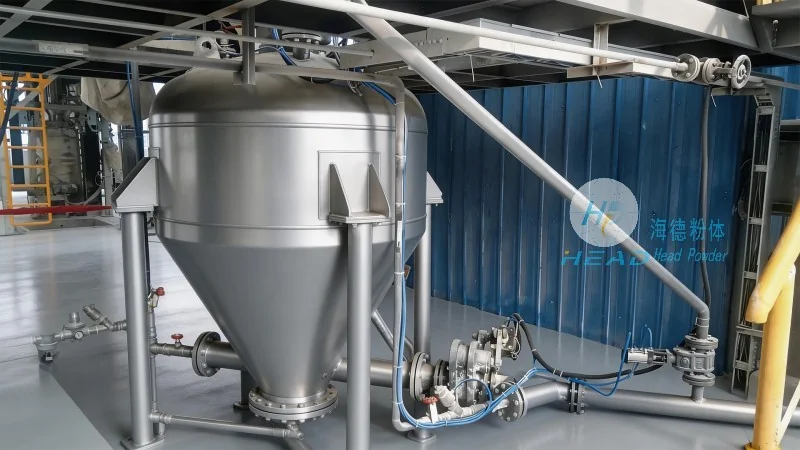
Applications and Industries Served
The pneumatic conveying systems designed by Shandong HeadPowder Engineering Co., Ltd. are used in a wide range of industries that rely on light calcium materials. In the construction industry, these systems are used to transport calcium carbonate for cement and concrete production. In the plastics industry, they are used to add calcium carbonate as a filler to improve the strength and durability of plastic products. The paper industry also utilizes these systems to incorporate light calcium into paper coatings and fillers. Additionally, the food and pharmaceutical industries may use pneumatic conveying for light calcium materials that meet specific purity standards. The versatility of the system makes it suitable for various applications, from small-scale operations to large industrial plants.
Customization and System Design
Shandong HeadPowder Engineering Co., Ltd. offers customized pneumatic conveying systems tailored to the specific needs of each client. The company's engineers work closely with clients to understand their material properties, production requirements, and operational constraints. Based on this information, they design a system that optimizes performance, efficiency, and cost-effectiveness. The customization process includes selecting the appropriate blower type, determining the optimal pipeline diameter and length, and choosing the right feeder and discharge equipment. The company also provides installation and commissioning services to ensure that the system is set up correctly and operates at its full potential. By offering tailored solutions, HeadPowder ensures that clients receive a system that meets their unique needs and delivers long-term benefits.