

Operation Process and Working Principle of Material Pneumatic Conveying in Ash Tank Trucks
When it comes to efficient material handling in industrial settings, the pneumatic conveying system within ash tank trucks plays a crucial role. This technology enables the safe and effective transport of bulk materials like fly ash, bottom ash, and other industrial powders. Understanding the operation process and working principle of this system is essential for optimizing performance and ensuring reliability in various applications.
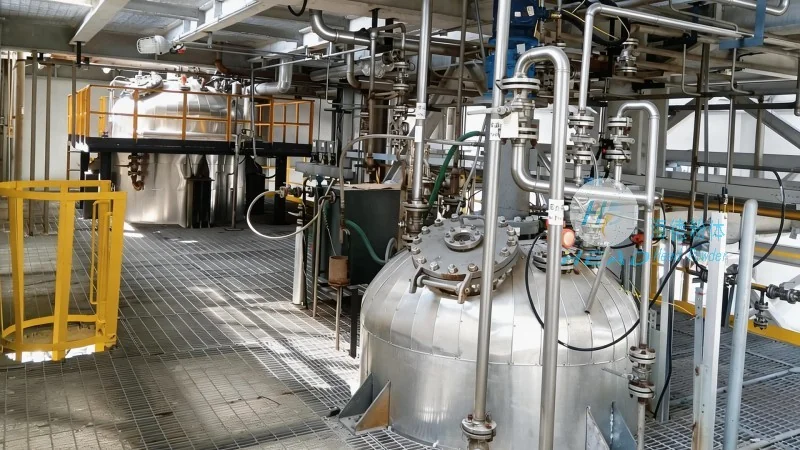
Overview of Pneumatic Conveying in Ash Tank Trucks
At Shandong HeadPowder Engineering Co., Ltd., we specialize in designing and manufacturing advanced pneumatic conveying solutions tailored for ash tank trucks. Our systems are engineered to meet the demanding requirements of modern industrial operations, ensuring high efficiency, low maintenance, and environmental compliance. The core of our technology lies in the seamless integration of air flow, material handling, and control mechanisms that facilitate the smooth transport of bulk materials.
The Working Principle of Material Pneumatic Conveying
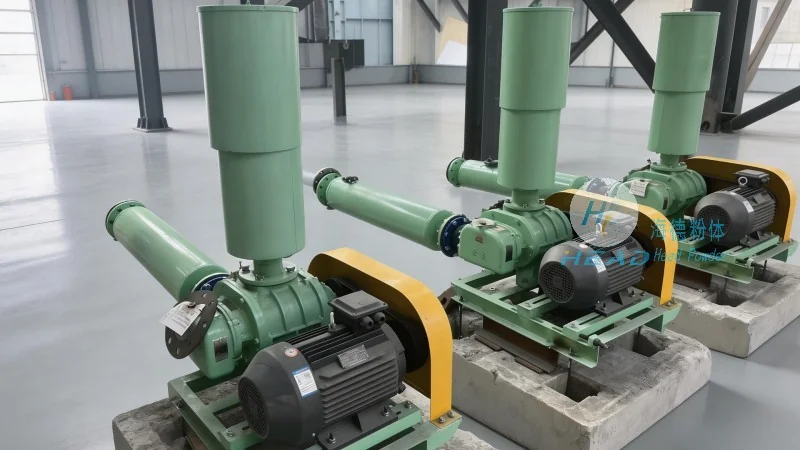
The fundamental principle of pneumatic conveying involves using compressed air to move materials through a pipeline system. In the context of ash tank trucks, this process begins with the loading of bulk material into the truck's hopper. Once loaded, the material is fed into the conveying line under the pressure of the air flow. The air, typically generated by a high-pressure blower or compressor, creates a flow that propels the material through the pipeline. This method eliminates the need for mechanical components like belts or buckets, reducing wear and tear and enhancing operational safety.
Step-by-Step Operation Process
The operation of the pneumatic conveying system in ash tank trucks follows a systematic sequence of steps. First, the bulk material is loaded into the truck's storage compartment. The material is then transferred to the conveying hopper through a loading mechanism, which may include a screw feeder or a gravity-fed system. Next, the system activates the air compressor, which generates the necessary pressure to initiate the conveying process. As the compressed air flows through the pipeline, it picks up the material particles and transports them to the destination point, such as a processing plant or storage facility. The system continuously monitors the air pressure and flow rate to maintain optimal performance, ensuring consistent material delivery.
Key Components and Their Functions
Several critical components work in tandem to ensure the efficient operation of the pneumatic conveying system. The air compressor is the primary source of power, providing the necessary pressure to move the material. The conveying pipeline, typically made of durable materials like stainless steel or plastic, is designed to withstand the pressure and abrasion from the material. The hopper and feeder system regulate the flow of material into the pipeline, preventing blockages and ensuring a steady supply. Additionally, control valves and sensors are integrated to monitor and adjust the air flow and material transport, enhancing system responsiveness and reliability.
Benefits of Pneumatic Conveying in Ash Tank Trucks
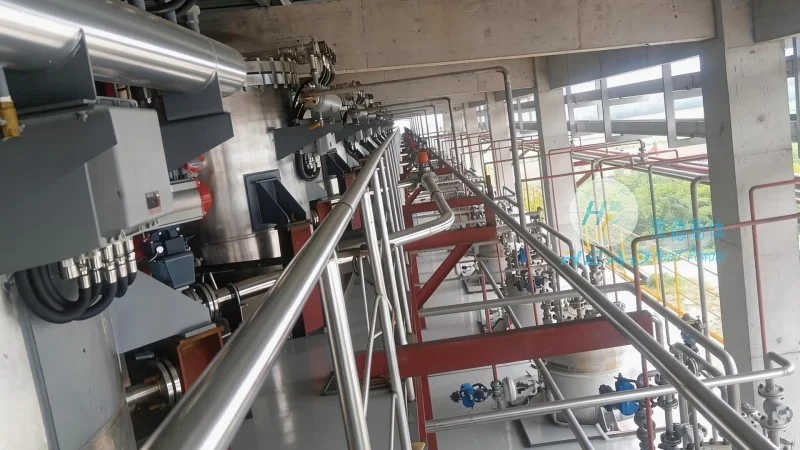
Implementing a pneumatic conveying system in ash tank trucks offers numerous advantages. Firstly, it significantly reduces the risk of dust contamination and environmental pollution compared to traditional methods like belt conveyors. The enclosed system ensures that material is contained within the pipeline, minimizing exposure to the environment. Secondly, the system provides high efficiency in material transport, with minimal downtime and maintenance requirements. The absence of mechanical parts also lowers operational costs and enhances safety by eliminating the risk of mechanical failures or material spillage. Furthermore, the flexibility of the system allows for easy integration with existing industrial processes, adapting to various operational needs.
Application Examples and Industry Impact
The pneumatic conveying system in ash tank trucks is widely used in power plants, cement factories, and other industrial facilities that handle bulk powders. In power plants, for instance, the system efficiently transports fly ash from the boiler to the storage silos, ensuring a continuous supply for further processing. In cement factories, the system aids in the transport of raw materials and finished products, improving production efficiency. The technology has proven to be a reliable solution for industries seeking to enhance their material handling capabilities while maintaining environmental standards. By leveraging advanced engineering and design, companies like Shandong HeadPowder Engineering Co., Ltd. continue to innovate and provide solutions that meet the evolving needs of the industrial sector.