

Operation Process and Working Principle of Automatic Quantitative Material Pneumatic Conveying
Automatic quantitative material pneumatic conveying systems are sophisticated industrial solutions designed to efficiently transport bulk materials from one location to another. These systems are widely used in various industries, including chemical, food, pharmaceutical, and mining, due to their ability to handle a wide range of materials with precision and reliability. HeadPowder, a leading manufacturer based in Shandong, China, specializes in developing and supplying high-quality automatic quantitative material pneumatic conveying systems that meet the diverse needs of modern industrial applications.
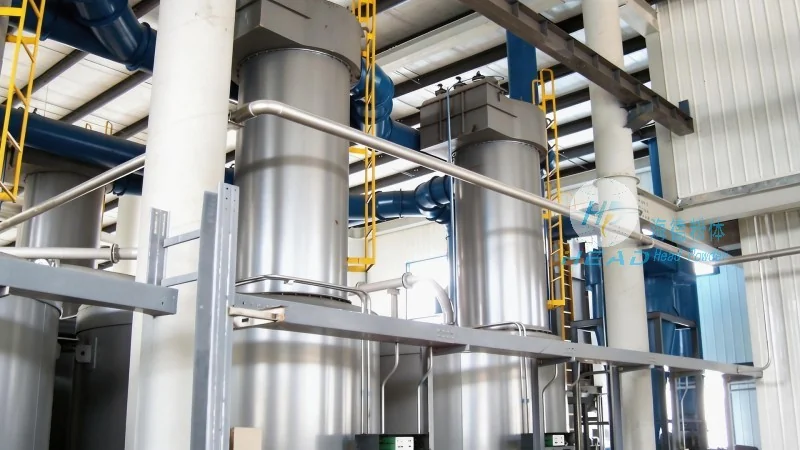
Key Components of Automatic Quantitative Material Pneumatic Conveying Systems
The core components of an automatic quantitative material pneumatic conveying system typically include a material hopper, a feeder (often a volumetric or gravimetric feeder), a pneumatic conveying line (which may consist of vertical or horizontal sections), a dust collector, and a receiving hopper. Each component plays a crucial role in the overall operation. The material hopper stores the bulk material and feeds it to the feeder. The feeder then measures and controls the flow rate of the material, ensuring accurate quantitative delivery. The pneumatic conveying line uses compressed air or other gases to transport the material through the system. The dust collector captures any airborne particles, maintaining air quality and preventing contamination. Finally, the receiving hopper collects the material at the destination point.
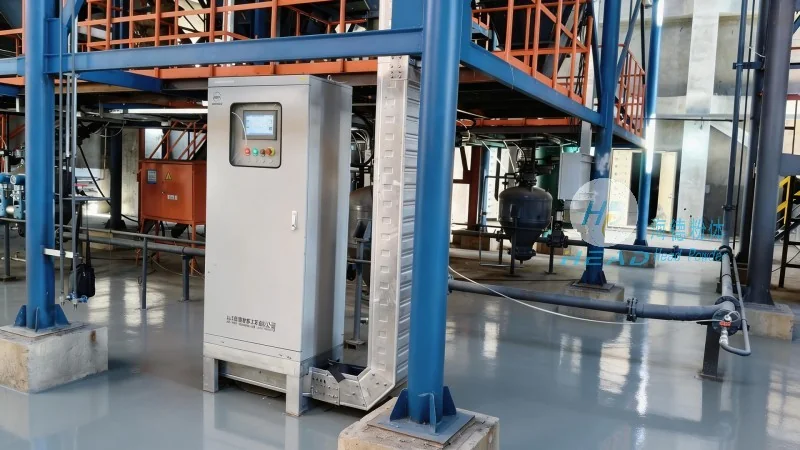
Working Principle of the System
The working principle of an automatic quantitative material pneumatic conveying system is based on the principle of fluidization and pneumatic transport. When compressed air is introduced into the conveying line, it creates a low-pressure environment that draws the material from the hopper into the line. The material is then carried through the line by the moving air stream. The feeder regulates the amount of material entering the line, ensuring that the flow rate matches the required output. The system operates continuously, with the feeder adjusting its output based on real-time feedback from sensors or control systems to maintain the desired material flow rate. This closed-loop control system ensures high accuracy in material delivery, minimizing waste and optimizing production efficiency.
Operation Process: Step-by-Step Overview
The operation process of an automatic quantitative material pneumatic conveying system can be broken down into several sequential steps. First, the bulk material is loaded into the material hopper. The hopper is equipped with a level sensor that monitors the material level and signals the feeder when the material is low, prompting refilling. Next, the feeder receives the signal and adjusts its speed to maintain a consistent flow rate. The material is then fed into the pneumatic conveying line, where it is mixed with the compressed air. The air stream carries the material through the vertical or horizontal sections of the line, depending on the layout of the system. At the receiving end, the material is deposited into the receiving hopper. The dust collector continuously operates to capture any particles that escape from the conveying line, ensuring clean air discharge. Throughout the process, the control system monitors key parameters such as pressure, flow rate, and material level, making adjustments as needed to maintain optimal performance. This automated process eliminates the need for manual intervention, reducing labor costs and improving safety in the workplace.
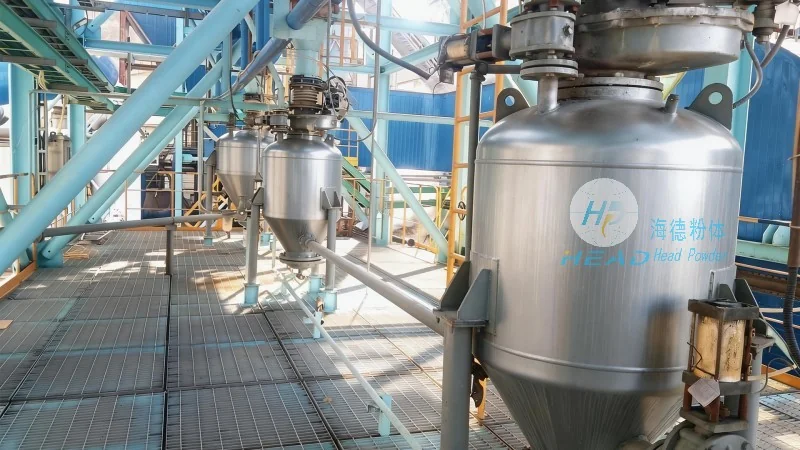
Advantages of Automatic Quantitative Material Pneumatic Conveying
Automatic quantitative material pneumatic conveying systems offer several advantages over traditional methods of material handling. One of the primary benefits is the high level of accuracy in material delivery. The volumetric or gravimetric feeder ensures that the exact amount of material is transported to the destination, which is critical in applications where precise dosing is required, such as in pharmaceutical manufacturing or food processing. Another advantage is the ability to handle a wide range of materials, including powders, granules, and even bulk solids with high moisture content. The system can also handle materials that are abrasive or corrosive, as the conveying line is typically made of durable materials like stainless steel or plastic. Additionally, the system is compact and can be installed in tight spaces, making it suitable for facilities with limited floor space. The automated nature of the system reduces labor costs and minimizes the risk of human error, leading to improved productivity and consistency in production. Finally, the system is relatively low maintenance, with most components designed for long-term operation and easy replacement when needed.