

Operation Process and Working Principle of Sodium Hydroxide Powder Conveying Equipment
Efficient and reliable handling of sodium hydroxide (NaOH), or caustic soda, is essential in numerous industrial processes. The sodium hydroxide powder conveying equipment is a specialized system engineered to transport this highly reactive and hygroscopic material from storage to processing units. This equipment is critical for maintaining process continuity, ensuring safety, and optimizing operational efficiency in industries such as chemical manufacturing, pulp and paper production, and water treatment. Understanding the operation process and working principle of this equipment is vital for operators, engineers, and decision-makers in these sectors.
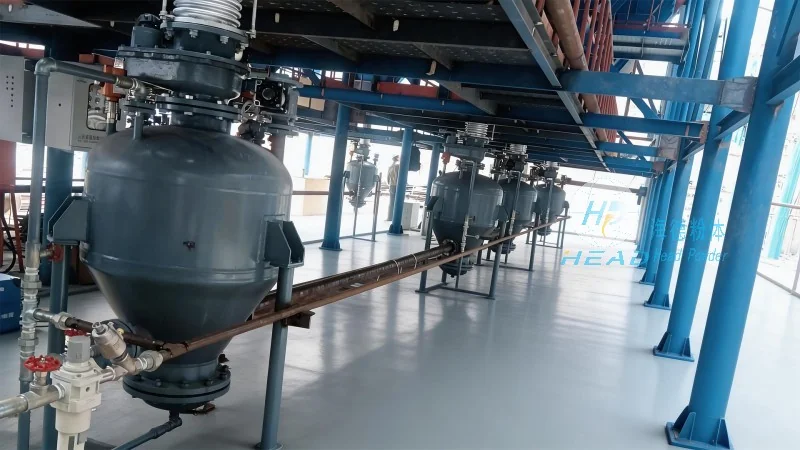
Company Overview: Shandong HeadPowder Engineering Co., Ltd.
HeadPowder, a prominent player in the powder handling technology sector, is dedicated to delivering innovative and high-performance solutions for material transport. Headquartered in Shandong, China, the company leverages decades of experience and advanced engineering capabilities to design and manufacture sodium hydroxide powder conveying equipment that meets the stringent demands of modern industrial applications. The company's commitment to quality, safety, and customer satisfaction has established it as a trusted partner for businesses seeking reliable bulk material handling solutions.
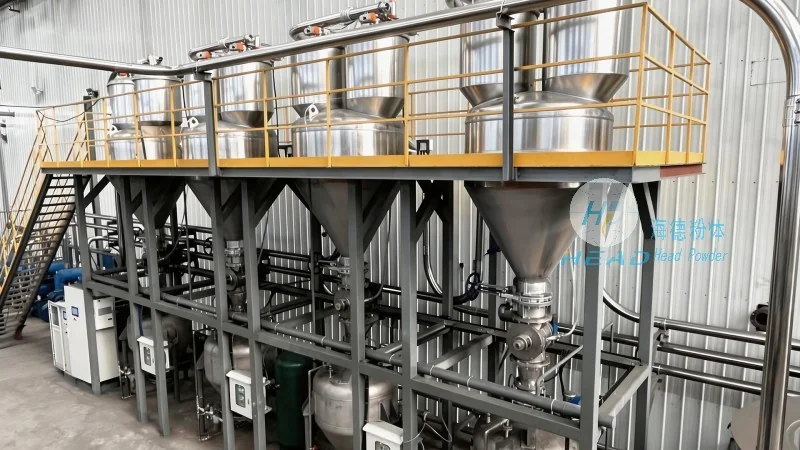
Key Components and Their Functions
The sodium hydroxide powder conveying system comprises several interdependent components, each playing a crucial role in the overall operation. The primary components include a storage hopper, a feeder mechanism, a conveyor unit, and a discharge outlet. The storage hopper is typically made of corrosion-resistant materials, such as stainless steel, to withstand the chemical properties of sodium hydroxide. It is equipped with a lid and a level indicator to monitor the material volume and prevent overfilling. The feeder, often a rotary valve or a screw feeder, regulates the flow rate of the powder from the hopper to the conveyor, ensuring a consistent and controlled discharge. The conveyor mechanism, which can be a screw conveyor, pneumatic system, or a combination of both, transports the powder through the system. The discharge outlet is designed to safely release the material to the next stage of the process, such as a reactor or a storage tank.
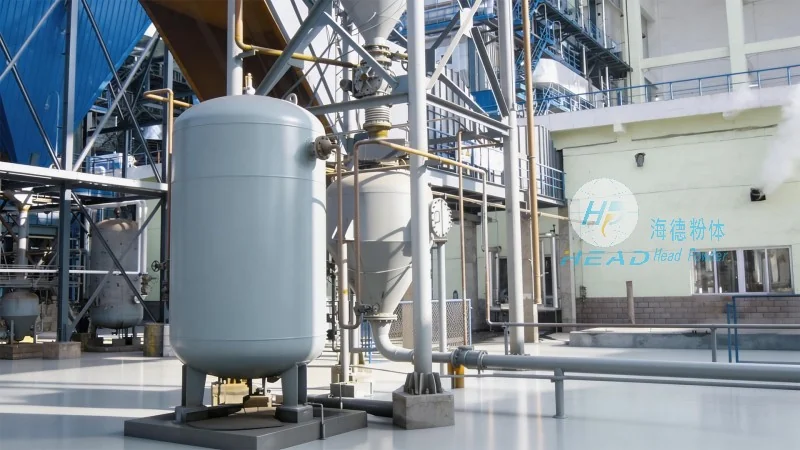
Operation Process: Step-by-Step Overview
The operation of the sodium hydroxide powder conveying equipment follows a systematic sequence to ensure smooth material transport. The process begins with the loading of the material into the hopper. The hopper is filled to an appropriate level, and the lid is secured to prevent dust or contamination. Once the hopper is ready, the feeder activates, controlling the flow of powder into the conveyor. The conveyor then moves the powder forward, either by mechanical force (in the case of a screw conveyor) or by pneumatic pressure (in a pneumatic system). The material is transported to the discharge point, where it is collected and prepared for further processing. The entire operation is monitored by a control system, which adjusts parameters such as flow rate, pressure, and speed based on real-time feedback from sensors. This closed-loop control ensures optimal performance and minimizes the risk of operational issues.
Working Principle: Mechanisms and Technologies
The working principle of the sodium hydroxide powder conveying equipment varies based on the chosen conveyor type. A screw conveyor operates by rotating a helical screw within a tube. As the screw rotates, it pushes the powder forward due to the friction between the screw and the material. This mechanism is suitable for handling dry, free-flowing powders and provides a continuous and reliable flow. A pneumatic conveying system, on the other hand, uses compressed air to create a flow of air and powder through a pipeline. The air pressure propels the powder particles, allowing them to be transported over long distances and through complex layouts. This method is particularly effective for handling fine powders and materials that are prone to clogging. The choice of mechanism depends on factors such as the material's properties, the required transport distance, and the system's capacity.
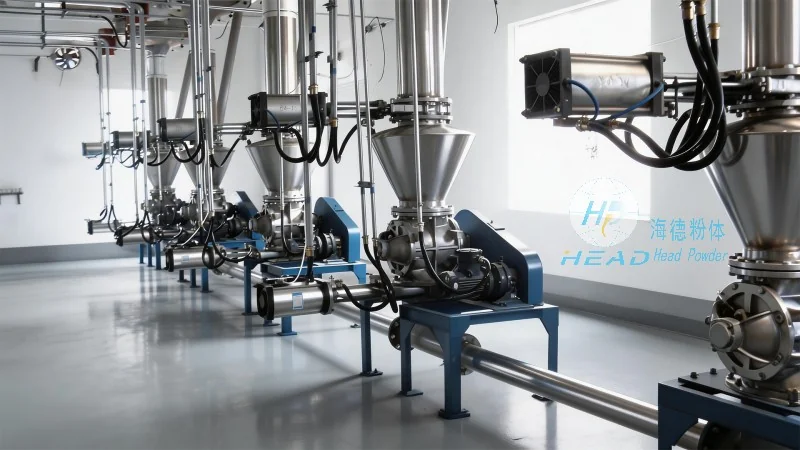
Advantages and Practical Applications
The sodium hydroxide powder conveying equipment offers several advantages that make it an ideal solution for industrial applications. One of the key benefits is its high efficiency, which allows for the rapid and continuous transport of large volumes of material. This reduces downtime and increases overall productivity. The equipment is also designed for low maintenance, with components that are easy to access and replace, minimizing operational costs. Additionally, the system is equipped with safety features, such as pressure relief valves and dust suppression systems, to protect operators and the environment. The equipment is widely used in various industries, including chemical manufacturing, where it is used to transport caustic soda to reactors for production of other chemicals. In the pulp and paper industry, it is used to supply sodium hydroxide for the bleaching process. In water treatment facilities, it is employed to handle the material for pH adjustment and water purification.