

Operation Process and Working Principle of Gray Calcium Powder Conveying Equipment
Gray calcium powder is a widely used industrial material, and the efficient transportation of this fine powder is crucial for various production processes. The conveying equipment designed for gray calcium powder plays a vital role in ensuring smooth material flow, maintaining product quality, and enhancing overall operational efficiency. In this article, we will explore the operation process and working principles of such equipment, highlighting the key components and mechanisms involved.
Company Overview: Shandong HeadPowder Engineering Co., Ltd.
HeadPowder, a leading manufacturer in the field of powder handling technology, specializes in developing and supplying advanced conveying solutions for diverse industrial applications. With a strong commitment to innovation and quality, the company has established itself as a trusted partner for businesses requiring reliable and efficient powder transportation systems. HeadPowder is headquartered in Shandong, China, and its expertise lies in understanding the unique challenges associated with handling fine powders like gray calcium. The company's equipment is engineered to meet these demands effectively, ensuring optimal performance and customer satisfaction.
Key Components of Gray Calcium Powder Conveying Equipment
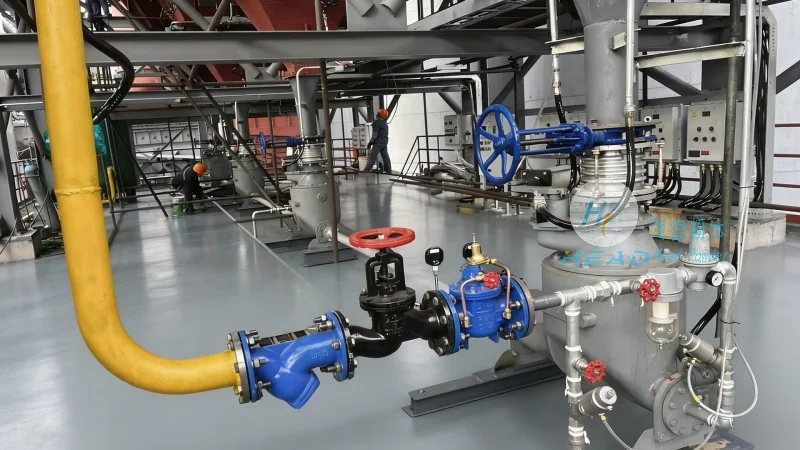
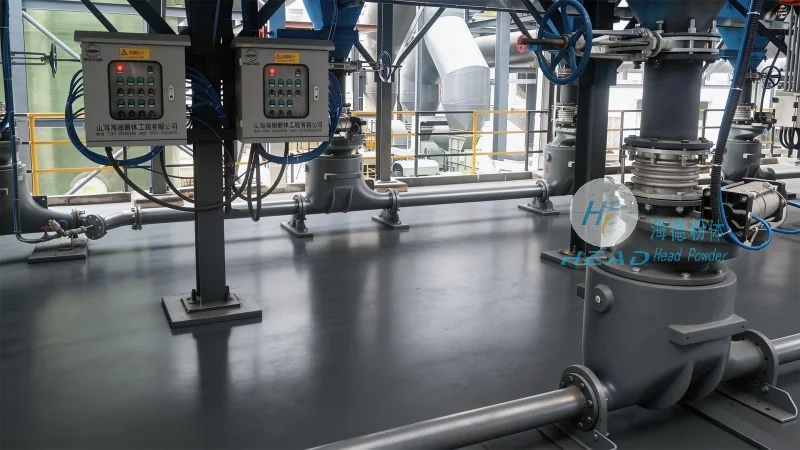
The gray calcium powder conveying equipment typically consists of several essential components that work in tandem to ensure optimal performance. These components include the hopper, which serves as the storage and feeding unit for the powder; the conveyor mechanism, which may be a screw conveyor, pneumatic conveyor, or other suitable type depending on the application; and the control system, which regulates the flow rate and ensures safe operation. Each component is carefully designed to handle the specific characteristics of gray calcium powder, such as its fineness, density, and potential for dust generation.
The Operation Process of Gray Calcium Powder Conveying Equipment
The operation process of gray calcium powder conveying equipment begins with the loading of the powder into the hopper. The powder is then fed into the conveyor mechanism through a feeding valve or gate. The conveyor system transports the powder from the hopper to the discharge point, which may be a storage silo, processing unit, or other destination. The speed of the conveyor is controlled by the control system to maintain a consistent flow rate, preventing overloading or underloading. During the operation, the equipment continuously monitors parameters such as pressure, temperature, and flow rate to ensure stable and efficient performance. The entire process is designed to minimize material loss, reduce dust emissions, and maintain product integrity throughout the conveying process.
Working Principle of Gray Calcium Powder Conveying Equipment
The working principle of gray calcium powder conveying equipment varies depending on the type of conveyor used. For example, a screw conveyor operates by rotating a screw within a tube, which pushes the powder forward. The rotational speed of the screw determines the conveying rate, and the pitch of the screw can be adjusted to handle different powder characteristics. A pneumatic conveyor, on the other hand, uses air pressure to move the powder through a pipeline. The powder is suspended in the air stream and transported to the destination. The pressure and flow rate of the air are carefully controlled to ensure efficient and safe conveying. In both cases, the equipment is designed to handle the fine nature of gray calcium powder, which can be prone to caking or bridging if not handled properly. The working principle also includes features such as dust collection systems and material cleaning mechanisms to maintain equipment performance and prevent contamination.
Benefits of Using Gray Calcium Powder Conveying Equipment
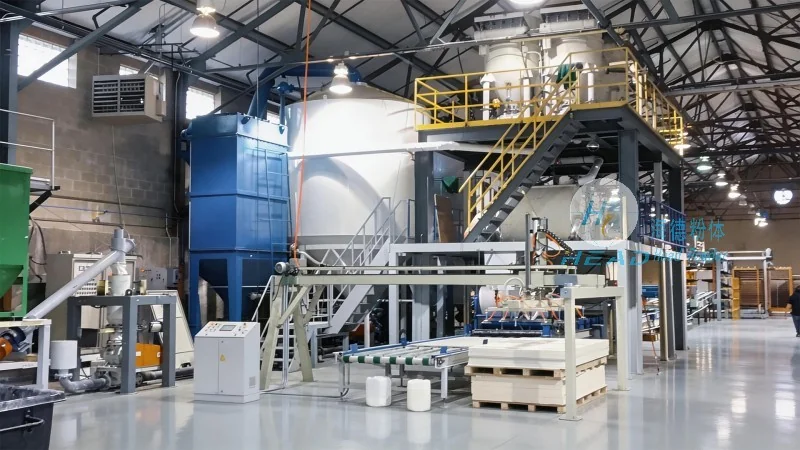
Implementing gray calcium powder conveying equipment offers numerous benefits for industrial operations. Firstly, it enhances operational efficiency by ensuring a continuous and consistent flow of material, reducing downtime and improving production throughput. Secondly, it minimizes material loss and waste by preventing spillage and overloading. Thirdly, it improves product quality by maintaining the integrity of the powder and preventing contamination from external sources. Additionally, the equipment is designed to be energy-efficient, reducing operational costs and environmental impact. The use of advanced control systems also allows for better monitoring and management of the conveying process, enabling operators to make informed decisions and optimize performance.
Conclusion
Gray calcium powder conveying equipment is a critical component in many industrial processes, and understanding its operation process and working principles is essential for effective implementation and maintenance. HeadPowder, with its expertise in powder handling technology, provides high-quality conveying solutions that meet the specific needs of gray calcium powder applications. By leveraging advanced design and control systems, these equipment ensure efficient, safe, and reliable transportation of the material, contributing to improved productivity and operational success.