

Operation Process and Working Principle of Coking Coal Powder Handling Equipment
For industrial applications that require efficient and reliable transportation of coking coal powder, specialized equipment is essential. This article delves into the operation process and working principle of coking coal powder handling equipment, highlighting the key components and mechanisms that enable smooth material transfer. The equipment is designed to address the unique challenges of handling fine coal particles, ensuring consistent performance and minimal loss during transport.
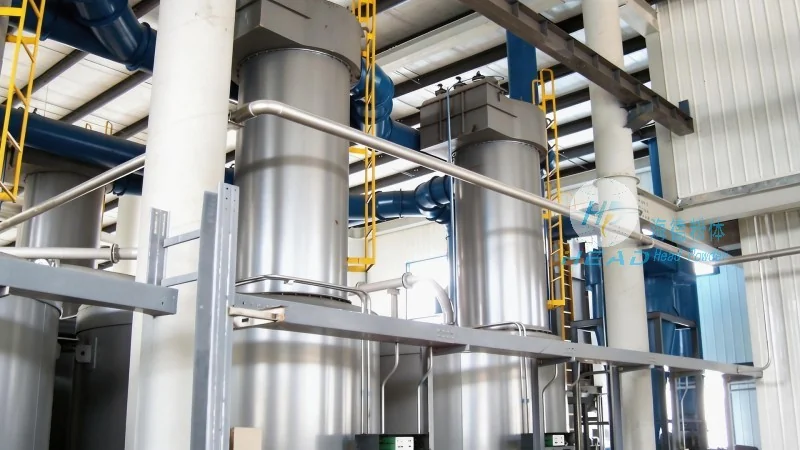
Overview of Coking Coal Powder Handling Equipment
Coking coal powder handling equipment is engineered to manage the movement of coal particles from storage to processing units. The system typically integrates several components, including feeders, conveyors, and control systems, to ensure efficient material flow. The design prioritizes durability and adaptability, making it suitable for various industrial settings. The equipment is manufactured by Shandong HeadPowder Engineering Co., Ltd., a company based in China, known for its expertise in powder handling solutions.
Key Components and Their Functions
The core components of coking coal powder handling equipment include: 1. Feeding Hoppers: These containers hold the coal powder and regulate the flow rate to the conveyor system. The hoppers are equipped with adjustable valves to control the discharge of material, preventing overloading or underflow. 2. Pneumatic Conveyors: Utilizing air pressure to transport the coal powder, these systems are ideal for long-distance or high-volume transport. The conveyors consist of pipelines, air movers, and separation units that ensure the material is moved without clogging. 3. Rotary Valves: These devices act as gateways between different sections of the system, controlling the direction and flow of the coal powder. They are designed to prevent backflow and maintain consistent pressure within the system. 4. Control Panels: Equipped with sensors and monitoring systems, the control panels allow operators to adjust parameters such as speed, pressure, and flow rate in real-time. This ensures optimal performance and safety during operation.
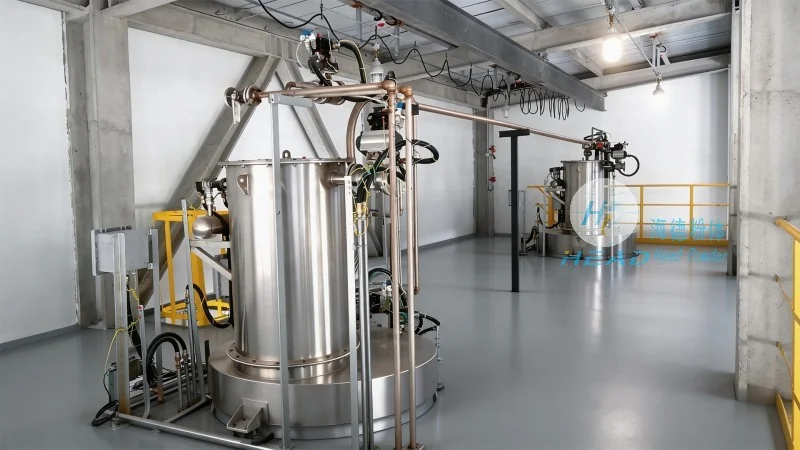
Working Principle of the Equipment
The operation of coking coal powder handling equipment follows a systematic process. Initially, the coal powder is stored in the feeding hoppers. The rotary valves then open to allow the material to enter the pneumatic conveyor system. As air is introduced into the pipeline, it creates a flow that propels the coal particles forward. The conveyors are designed with appropriate angles and diameters to minimize particle separation and ensure uniform transport. At the receiving end, the coal powder is deposited into the processing unit, such as a furnace or reactor. The control panel continuously monitors the system, adjusting air pressure and flow rates to maintain stable operation. This closed-loop system ensures that the coal powder is transported efficiently and safely, minimizing the risk of dust accumulation or material loss.
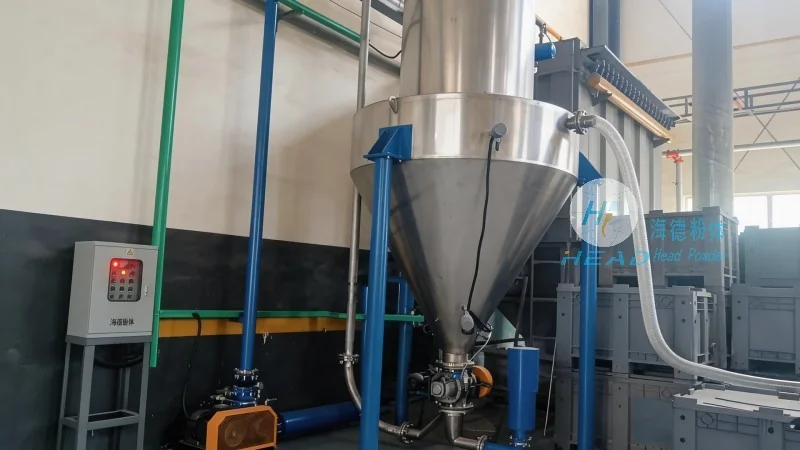
Operation Process: Step-by-Step Guide
The operation process of coking coal powder handling equipment can be broken down into several key steps: 1. Preparation: The system is checked for proper functioning, including the condition of hoppers, conveyors, and control panels. Any maintenance or adjustments are performed before startup. 2. Material Loading: The feeding hoppers are filled with coking coal powder, ensuring a sufficient supply for the process. 3. System Startup: The control panel is activated, and the air compressor is started to generate the necessary pressure. The rotary valves are then opened to initiate the flow of material. 4. Continuous Transport: The coal powder is continuously fed into the system, with the pneumatic conveyors moving the material to the processing unit. The control panel monitors the flow rate and adjusts parameters as needed to maintain steady operation. 5. Shutdown: When the process is complete, the system is shut down in reverse order. The air compressor is turned off, the rotary valves are closed, and the hoppers are emptied. This ensures that the equipment is ready for the next cycle of operation.
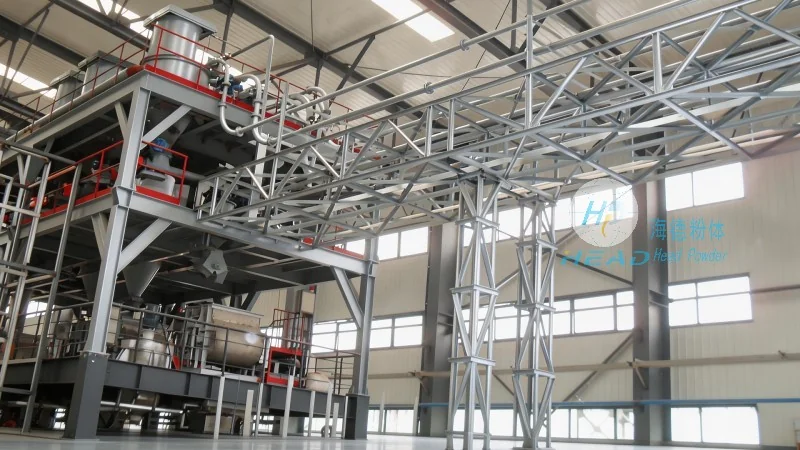
Advantages of Coking Coal Powder Handling Equipment
Implementing coking coal powder handling equipment offers several advantages for industrial operations. Firstly, it enhances efficiency by reducing the time and labor required for manual handling of coal powder. The automated system ensures consistent flow rates, minimizing variations in material delivery. Secondly, it improves safety by eliminating the need for manual handling of fine coal particles, which can cause respiratory issues or other health hazards. The enclosed system also reduces dust emissions, contributing to a cleaner working environment. Thirdly, the equipment is designed for durability, with components that can withstand the abrasive nature of coal particles. This reduces maintenance costs and extends the lifespan of the system. Additionally, the modular design allows for easy integration with existing industrial processes, making it a versatile solution for various applications.
Conclusion
Coking coal powder handling equipment is a critical component in industrial processes that rely on the efficient transport of coal powder. The equipment, manufactured by Shandong HeadPowder Engineering Co., Ltd., combines advanced technology and robust design to ensure reliable operation. By understanding the operation process and working principle of the equipment, industrial operators can optimize their processes, improve safety, and enhance overall productivity. The equipment's ability to handle fine coal particles with precision and efficiency makes it an essential tool for modern industrial applications.