

Operation Process and Working Principle of Low-Pressure Continuous Pneumatic Conveying Equipment
Low-pressure continuous pneumatic conveying equipment is a key component in modern material handling systems, designed to efficiently transport bulk materials over long distances with minimal pressure differentials. This technology is widely used in various industries, including food processing, pharmaceuticals, and chemical manufacturing, where maintaining product integrity and operational efficiency is critical. The equipment is manufactured by Shandong HeadPowder Engineering Co., Ltd., a leading provider of industrial material handling solutions based in China. With years of experience in the industry, the company has developed advanced low-pressure continuous pneumatic conveying systems that meet the highest standards of performance and reliability.
Key Components of the System
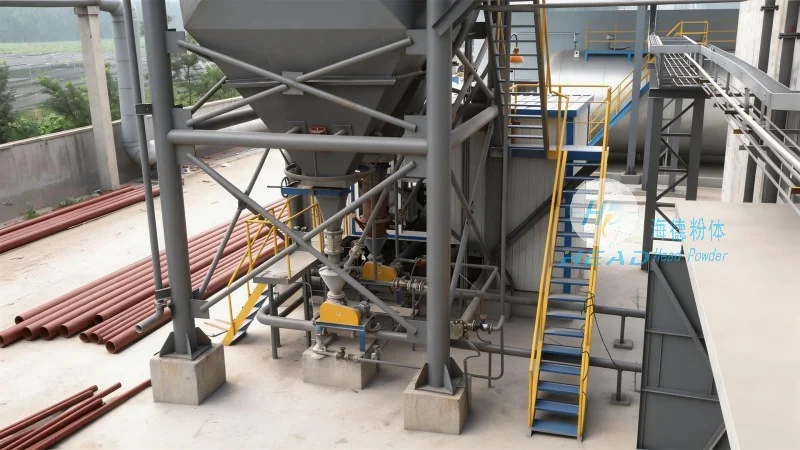
The low-pressure continuous pneumatic conveying system typically consists of several essential components that work in tandem to achieve effective material transport. These include a material feed hopper, a rotary airlock valve, a conveying pipeline, a pressure regulator, and a dust collection system. Each component plays a crucial role in ensuring the smooth and efficient operation of the entire system. The feed hopper is responsible for storing and feeding the bulk material into the system, while the rotary airlock valve controls the flow of material into the pipeline, preventing backflow and maintaining a consistent material feed rate. The conveying pipeline, often made of stainless steel or other corrosion-resistant materials, transports the material and air mixture. The pressure regulator maintains the appropriate pressure within the system, ensuring optimal conveying performance. Finally, the dust collection system captures any airborne particles, ensuring compliance with environmental regulations and maintaining a clean working environment.
Operation Process of Low-Pressure Continuous Pneumatic Conveying
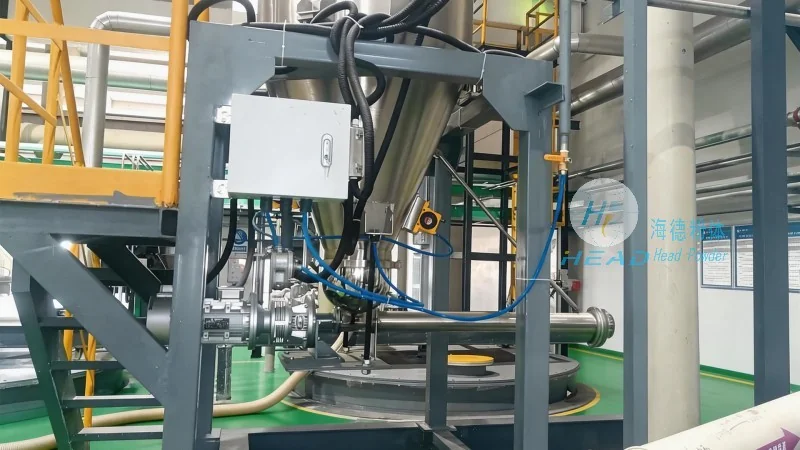
The operation of low-pressure continuous pneumatic conveying equipment follows a systematic process that ensures continuous material transfer. The process begins with the material being fed into the hopper from a storage silo or other bulk storage container. The rotary airlock valve then regulates the flow of material into the conveying pipeline, ensuring a steady supply of material. Simultaneously, a low-pressure air source, such as a blower or fan, generates the necessary airflow to move the material through the pipeline. The air and material mixture travels through the pipeline, with the air providing the kinetic energy to transport the material. The conveying system is designed to maintain a consistent pressure and flow rate, which is crucial for preventing material blockages and ensuring smooth operation. The material is then discharged at the receiving end of the pipeline, typically through a rotary valve or other discharge device. The system operates continuously, allowing for a steady and reliable transfer of bulk materials without the need for frequent stops or manual intervention.
Working Principle of Low-Pressure Continuous Pneumatic Conveying
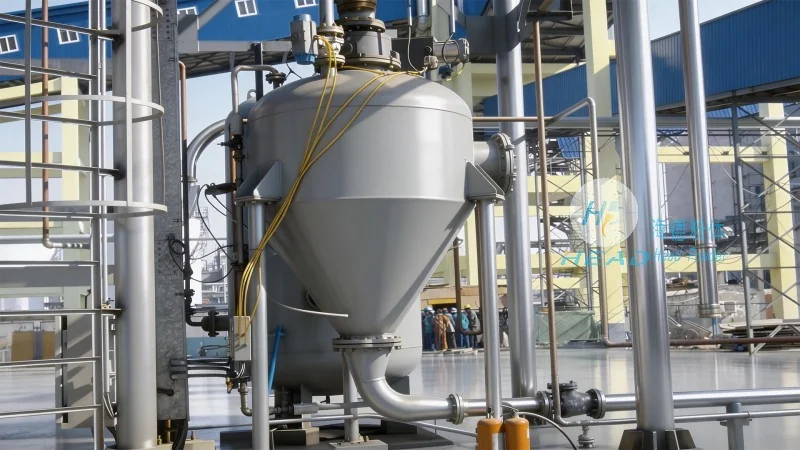
The working principle of low-pressure continuous pneumatic conveying equipment is based on the principle of fluidization and drag flow. In this system, the material is suspended in the air stream and transported through the pipeline. The low-pressure air source creates a flow of air with sufficient velocity to lift and move the material particles. The air and material mixture forms a slurry-like flow, where the air provides the necessary energy to overcome the gravitational forces acting on the material particles. The pressure in the system is maintained at a relatively low level, typically ranging from 0.5 to 2 bar, which minimizes energy consumption and reduces the risk of material degradation. The continuous nature of the system ensures that the material is transferred in a steady stream, with minimal variations in flow rate or pressure. This consistency is achieved through the use of precise control systems that monitor and adjust the air flow and material feed rate in real-time. The system is also designed to handle a wide range of materials, including powders, granules, and small particles, with minimal impact on product quality. The low-pressure operation also helps to reduce the risk of dust explosions and other safety hazards, making it a preferred choice for many industrial applications.