

Operation Process and Working Principle of Multi-Point Feeding Pneumatic Conveying Equipment
Multi-point feeding pneumatic conveying equipment is a critical component in modern material handling systems, designed to efficiently transport bulk materials from multiple feeding points to a central collection or processing unit. This technology offers significant advantages over traditional mechanical conveying methods, including reduced maintenance, lower energy consumption, and enhanced safety. The equipment is widely used in industries such as food processing, pharmaceuticals, chemicals, and mining, where the handling of fine or abrasive powders requires precision and reliability.
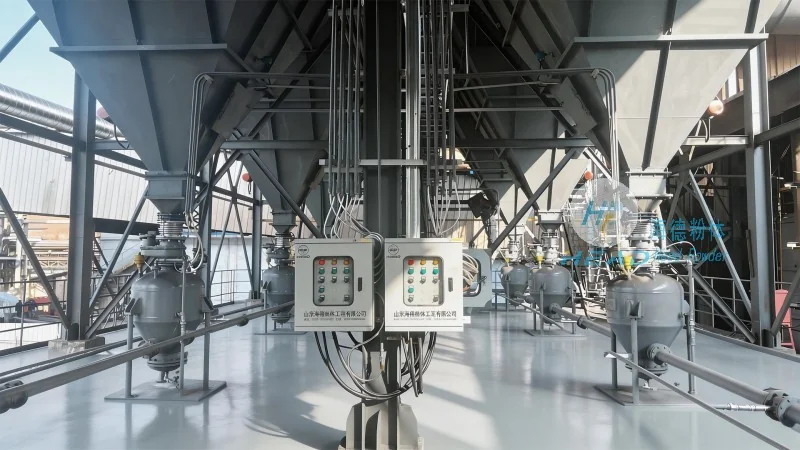
About Shandong HeadPowder Engineering Co., Ltd.
HeadPowder, a leading manufacturer of pneumatic conveying systems, specializes in providing customized solutions for diverse industrial applications. With a strong commitment to innovation and quality, the company has established itself as a trusted partner in the material handling sector. HeadPowder's team of engineers and technicians leverages advanced technology and extensive industry experience to develop equipment that meets the specific needs of clients. The company's headquarters is located in Shandong, China, where it operates a state-of-the-art manufacturing facility and research center.
Key Components of Multi-Point Feeding Pneumatic Conveying Systems
The multi-point feeding pneumatic conveying system typically consists of several key components that work in tandem to ensure smooth operation. These include the feeding hoppers, which are strategically placed at multiple points to collect material; the air supply system, which generates the necessary airflow to transport the material; the conveying pipes, which connect the feeding points to the central receiver; and the control system, which monitors and regulates the entire process. Each component is designed to withstand the specific demands of the material being handled, ensuring durability and long-term performance.
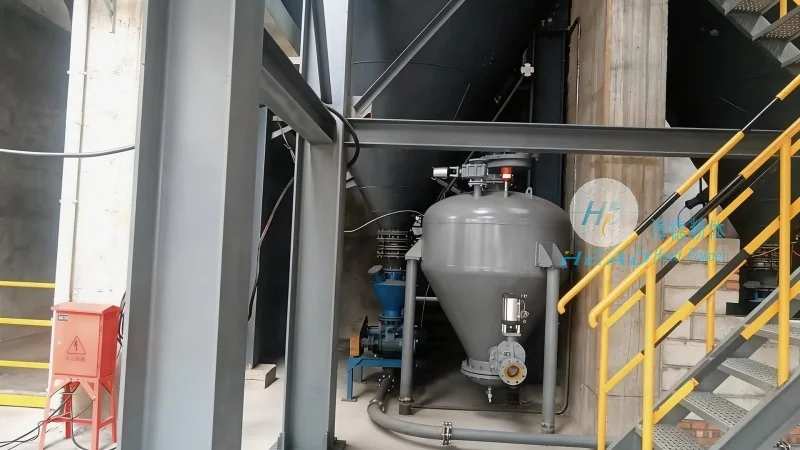
Operation Process of Multi-Point Feeding Pneumatic Conveying Equipment
The operation of multi-point feeding pneumatic conveying equipment involves a series of coordinated steps to ensure efficient material transport. The process begins with the material being fed into the hoppers from various sources. As the material accumulates in the hoppers, a controlled amount is released into the conveying pipes through a feeder mechanism. Simultaneously, the air supply system generates a consistent airflow that propels the material through the pipes. The material is then transported to the central receiver, where it is collected and prepared for further processing. The control system continuously monitors parameters such as airflow, pressure, and material flow rate, adjusting the operation as needed to maintain optimal performance. This automated process minimizes human intervention and ensures consistent material handling, even with varying feed rates or material types.
Working Principle of Pneumatic Conveying Technology
The working principle of multi-point feeding pneumatic conveying equipment is based on the use of air as the conveying medium. The system operates by creating a pressure differential between the feeding point and the receiver. When the feeder releases material into the conveying pipe, the air flow entrains the particles, forming a slurry-like mixture known as a "pneumatic stream." This stream travels through the pipes under pressure, with the air providing the necessary force to overcome friction and gravity. The velocity of the air is critical, as it must be sufficient to keep the material suspended and prevent particle separation or blockages. The design of the conveying system, including pipe diameter, length, and bends, is optimized to maintain the appropriate air velocity and pressure, ensuring efficient and reliable transport. The receiver at the end of the system separates the material from the air, typically using a cyclone or filter system, and collects the material for downstream processing.
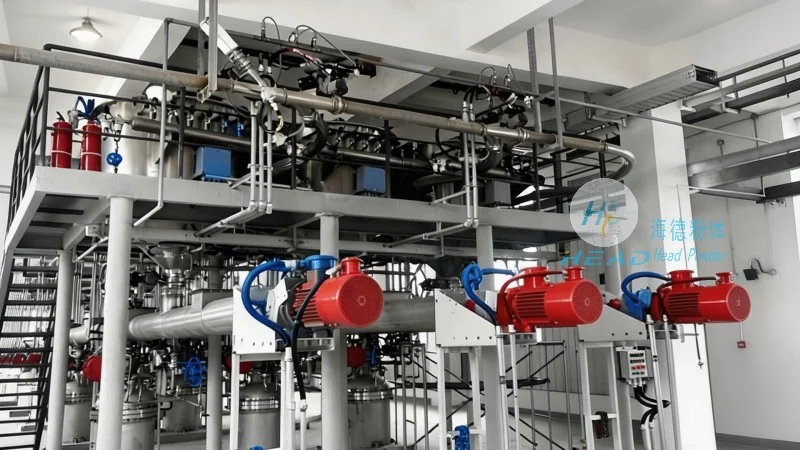
Advantages of Multi-Point Feeding Pneumatic Conveying Equipment
Multi-point feeding pneumatic conveying equipment offers several advantages over traditional conveying methods. One of the primary benefits is the ability to handle materials from multiple sources simultaneously, which increases operational efficiency and reduces downtime. The system is also highly flexible, allowing for easy integration with existing production lines or expansion as business needs grow. Additionally, pneumatic conveying is more hygienic and cleaner than mechanical systems, making it ideal for industries such as food and pharmaceuticals where contamination control is paramount. The equipment is also more energy-efficient, as it requires less power to transport materials compared to mechanical conveyors, leading to lower operational costs over time. Furthermore, the system is less prone to material degradation, as the material is not subjected to excessive friction or impact during transport.
Applications and Industries Served
Multi-point feeding pneumatic conveying equipment is used in a wide range of industries due to its versatility and effectiveness. In the food industry, it is commonly used to transport ingredients such as flour, sugar, and spices from multiple storage bins to a central mixing or processing unit. The pharmaceutical industry relies on this technology to handle active pharmaceutical ingredients (APIs) and other sensitive materials, ensuring that the materials are transported in a sterile and controlled environment. The chemical industry uses the equipment to convey powders such as pigments, catalysts, and reagents, which may be abrasive or corrosive. In the mining sector, multi-point feeding systems are used to transport ore from various points in a mine to a central processing facility. Other applications include the handling of agricultural products, such as grains and seeds, and the transport of industrial powders in manufacturing plants.