

Operation Process and Working Principle of PTA Pneumatic Conveying Equipment
PTA (Polyethylene Terephthalate Acid) is a crucial raw material in the production of polyester fibers and resins. The efficient handling and transportation of PTA are vital for industrial operations, and pneumatic conveying systems have emerged as a reliable solution. This article delves into the operation process and working principle of PTA pneumatic conveying equipment, highlighting its significance in modern manufacturing processes.
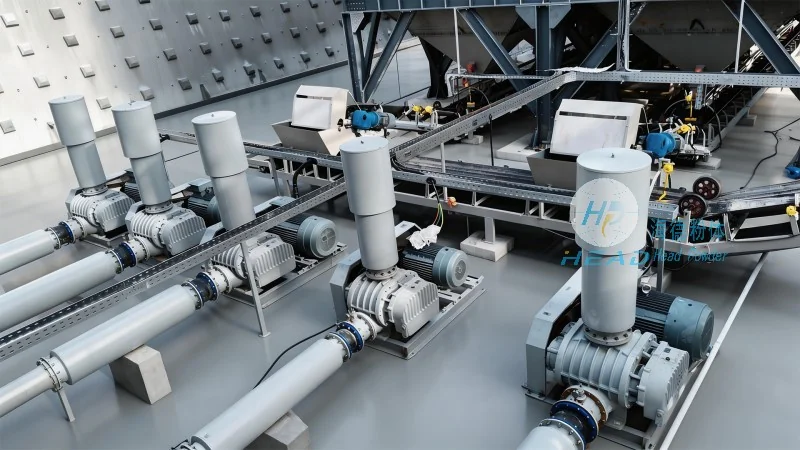
Understanding PTA Pneumatic Conveying Systems
Pneumatic conveying systems utilize air or gas to transport bulk materials like PTA from one location to another. These systems are widely adopted in the chemical and petrochemical industries due to their ability to handle abrasive and sensitive materials with minimal product degradation. The core components of a PTA pneumatic conveying system typically include a material feed hopper, a conveyor line, a dust collector, and a control system. Each component plays a critical role in ensuring the smooth and safe operation of the equipment.
The Operation Process of PTA Pneumatic Conveying Equipment
The operation process of PTA pneumatic conveying equipment involves several key steps that ensure the material is transported efficiently and safely. The process begins with the loading of PTA into the feed hopper. The hopper is designed to maintain a consistent material level, preventing overfilling or underfilling that could affect the conveying efficiency. Once the material is loaded, the system initiates the conveying process by introducing compressed air or gas into the conveyor line. The air flow creates a pressure differential that propels the PTA particles through the pipeline. The speed and pressure of the air are carefully controlled to maintain the desired conveying velocity and prevent material blockages or degradation.
During the conveying process, the PTA particles are suspended in the air stream, moving from the feed point to the discharge point. The pipeline design, including the use of bends, valves, and expansion joints, is optimized to minimize pressure losses and maintain the air flow. The system also incorporates a dust collection system to capture any fine particles that may be released during the conveying process, ensuring environmental compliance and product purity. The control system monitors various parameters such as pressure, flow rate, and material level, allowing for real-time adjustments to maintain optimal operation.
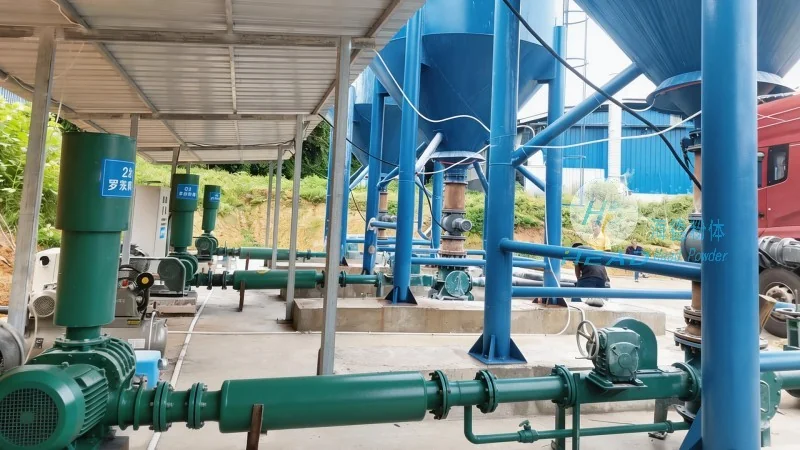
Working Principle of PTA Pneumatic Conveying Equipment
The working principle of PTA pneumatic conveying equipment is based on the principles of fluid dynamics and particle transport. When compressed air is introduced into the conveyor line, it creates a low-pressure zone at the discharge end, which draws the PTA particles into the air stream. The particles are then carried along the pipeline by the air flow, maintaining a suspended state due to the velocity of the air. The key to efficient conveying lies in achieving a balance between the air velocity and the particle size and density. If the air velocity is too low, the particles may settle and cause blockages; if it is too high, excessive energy consumption and potential product degradation may occur.
The system also employs various conveying modes, such as dilute phase and dense phase, depending on the material characteristics and application requirements. Dilute phase conveying involves a higher air-to-material ratio, where particles are suspended in the air stream, suitable for long-distance and high-speed transport. Dense phase conveying, on the other hand, uses a lower air-to-material ratio, where particles are more densely packed, reducing the risk of degradation and suitable for short-distance or sensitive materials. The selection of the conveying mode is determined by factors like material properties, pipeline length, and desired throughput.
Key Components and Their Functions in PTA Pneumatic Conveying Systems
Several critical components contribute to the effective operation of PTA pneumatic conveying equipment. The feed hopper is responsible for storing and feeding the PTA material into the system. It is equipped with a level indicator and a discharge valve to control the material flow. The conveyor line, typically made of stainless steel or other corrosion-resistant materials, ensures the durability and integrity of the system. The pipeline is designed with smooth inner surfaces to minimize friction and pressure losses. Bends and elbows are strategically placed to guide the material flow while maintaining the air velocity. Valves, such as check valves and control valves, regulate the air flow and prevent backflow, ensuring the system operates smoothly. The dust collector, often a baghouse or cartridge filter, captures any fine particles, protecting the environment and maintaining product quality. The control system, which may include sensors, controllers, and a human-machine interface (HMI), monitors and controls the entire process, providing real-time data and allowing for adjustments to optimize performance.
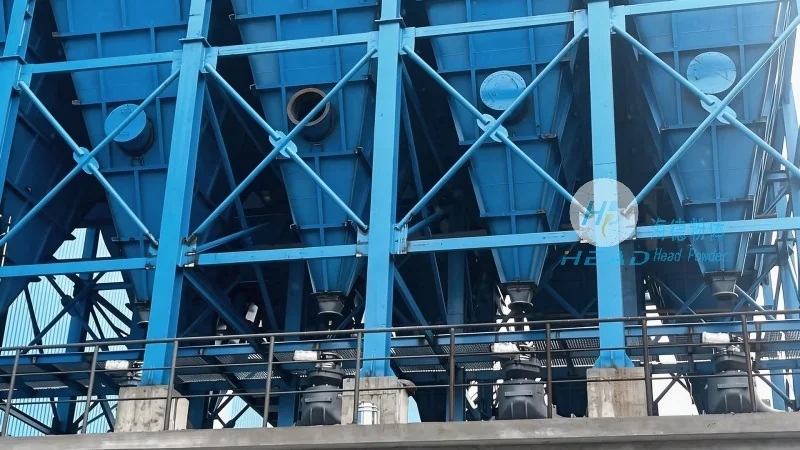
Benefits and Applications of PTA Pneumatic Conveying Equipment
PTA pneumatic conveying equipment offers several advantages over traditional conveying methods, such as mechanical conveyors or bucket elevators. These systems are more flexible, as they can be easily reconfigured to accommodate changes in production requirements. They also provide better product protection, as the material is transported in an enclosed system, reducing exposure to moisture, dust, and contamination. The equipment is also more energy-efficient compared to mechanical systems, as it utilizes compressed air, which can be optimized for energy consumption. Additionally, pneumatic conveying systems are suitable for handling a wide range of materials, including abrasive and sensitive products like PTA, without causing damage.
The applications of PTA pneumatic conveying equipment are widespread in the chemical and petrochemical industries. They are commonly used in PTA production plants for transporting raw materials, intermediate products, and finished products. The equipment is also used in downstream processes, such as packaging and storage, to move PTA from storage tanks to processing units. The flexibility and efficiency of the system make it an ideal choice for industries that require high throughput and reliable material handling.
Company Information: Shandong HeadPowder Engineering Co., Ltd.
Shandong HeadPowder Engineering Co., Ltd., a leading manufacturer of pneumatic conveying equipment, specializes in providing customized solutions for various industrial applications. With a focus on innovation and quality, the company has developed advanced PTA pneumatic conveying systems that meet the highest industry standards. The company's products are designed to handle the unique challenges of PTA transportation, ensuring efficient and safe operation. HeadPowder Engineering is committed to delivering reliable and durable equipment that enhances the productivity and efficiency of its clients' operations. The company's headquarters is located in Shandong, China, where it maintains a state-of-the-art manufacturing facility and a team of experienced engineers and technicians. HeadPowder Engineering continues to be a trusted partner for industries seeking advanced pneumatic conveying solutions.