

Operation Process and Working Principle of Pneumatic Conveying System for Lithium-Ion Battery Raw Ma
HeadPowder, a leading engineering company based in Shandong, China, specializes in the design, manufacturing, and installation of advanced material handling systems tailored for the lithium-ion battery industry. The company's expertise lies in developing efficient and reliable pneumatic conveying solutions that address the unique challenges of handling raw materials for battery production.
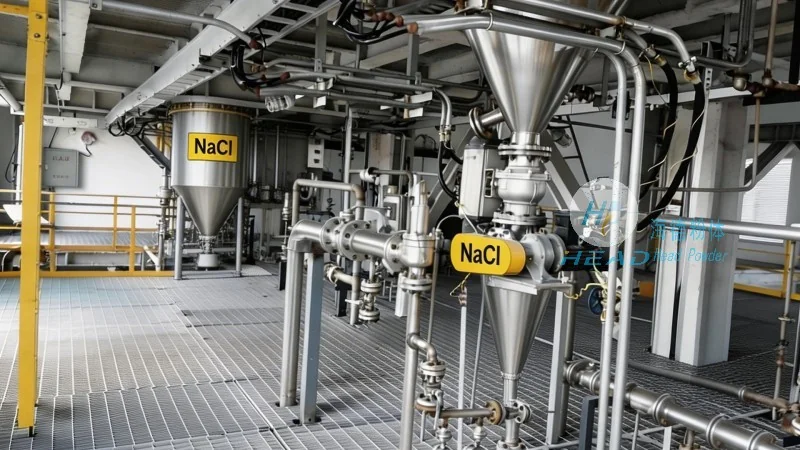
Overview of Pneumatic Conveying Systems for Lithium-Ion Battery Raw Materials
Pneumatic conveying systems are critical components in the lithium-ion battery manufacturing process, responsible for transporting various raw materials such as lithium compounds, graphite, nickel, cobalt, and other additives from storage silos or bulk containers to processing units. These systems offer a flexible, dust-free, and automated method of material transport, which is essential for maintaining high production efficiency and product quality in battery production lines.
The Operation Process of the Pneumatic Conveying System
The operation of a typical pneumatic conveying system for lithium-ion battery raw materials involves several key steps. First, raw materials are fed into a hopper or storage silo. From there, the material is drawn into the conveying line by a vacuum or pressure source, depending on the system design. The system uses a combination of air flow and mechanical components to move the material through the pipeline network. The conveying process includes stages such as material loading, air compression or vacuum generation, material transport, and discharge at the destination point. Each step is carefully controlled to ensure consistent flow rates and minimal material degradation.
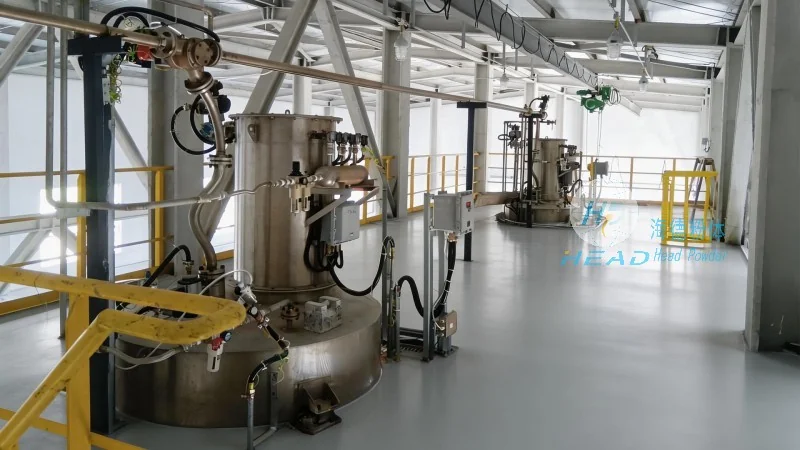
Working Principle of the Pneumatic Conveying System
The core working principle of a pneumatic conveying system is the use of air to transport solid materials. There are two main types of pneumatic conveying systems: pressure and vacuum. In pressure systems, compressed air is used to push the material through the pipeline, while vacuum systems use a vacuum to pull the material. For lithium-ion battery raw materials, both types are commonly employed based on the material properties, distance of transport, and system layout. The system typically includes components like feeders, air movers (blowers or vacuum pumps), conveying lines (flexible or rigid), and control valves. The air flow rate is precisely regulated to maintain the optimal velocity for material transport, preventing clogging or degradation of the material. Additionally, the system incorporates safety features such as pressure relief valves and material flow monitors to ensure smooth and safe operation.
Key Components and Their Functions in the System
Several critical components work together to ensure the efficient operation of the pneumatic conveying system. The material feeder, often a rotary valve or screw feeder, controls the flow rate of raw materials into the system, preventing overloading and ensuring a steady supply. The air mover, which can be a positive displacement blower or a vacuum pump, provides the necessary pressure or vacuum to move the material. The conveying lines, made of materials like stainless steel or plastic, are designed to withstand the abrasive nature of battery raw materials and maintain airtight integrity. Control valves, such as check valves and flow control valves, regulate the air flow and material movement, allowing for precise control over the conveying process. Finally, the discharge unit, which may include a rotary valve or a hopper, safely releases the material at the destination point, completing the transport cycle.
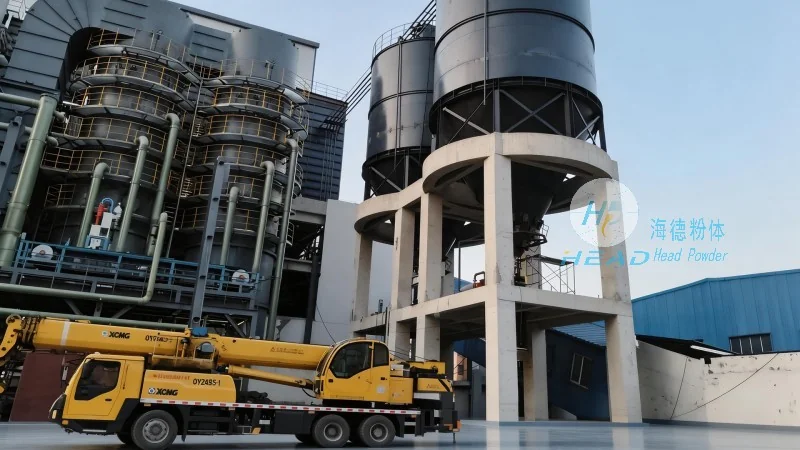
Advantages of Using Pneumatic Conveying Systems in Lithium-Ion Battery Production
Pneumatic conveying systems offer several advantages that make them ideal for handling lithium-ion battery raw materials. First, they provide a dust-free and enclosed environment, which reduces the risk of material contamination and improves workplace safety. Second, the systems are highly flexible, allowing for easy reconfiguration of the conveying network to accommodate changes in production processes or material types. Third, they offer high efficiency and low maintenance costs compared to traditional bulk handling methods. Additionally, pneumatic conveying systems can handle a wide range of material properties, including fine powders and abrasive materials, without causing damage or degradation. These benefits contribute to improved overall productivity and cost-effectiveness in lithium-ion battery manufacturing.
Conclusion
HeadPowder's pneumatic conveying systems for lithium-ion battery raw materials are designed to meet the demanding requirements of modern battery production. By leveraging advanced engineering and material handling technologies, the company provides reliable and efficient solutions that enhance production efficiency, ensure product quality, and promote safety in the manufacturing process. The operation process and working principle of these systems are carefully optimized to handle the unique challenges of battery raw material handling, making them an essential component of high-performance battery production lines.