

Arsenic Trioxide Pneumatic Conveying System: Operation Process and Working Principle
As the chemical industry continues to evolve, efficient and safe material handling solutions are crucial for the processing of hazardous substances like arsenic trioxide. The Arsenic Trioxide Pneumatic Conveying System, developed by Shandong HeadPowder Engineering Co., Ltd., represents a sophisticated approach to managing this critical material. This system is designed to ensure safe, reliable, and efficient transport of arsenic trioxide, addressing the unique challenges associated with handling such a hazardous chemical.

System Overview and Core Components
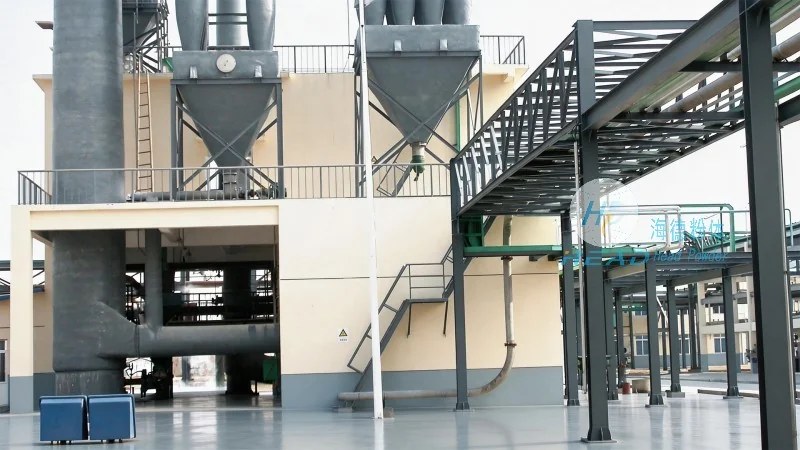
The Arsenic Trioxide Pneumatic Conveying System is engineered to handle the transportation of arsenic trioxide (As₂O₃) with precision and safety. HeadPowder, a leading provider in the field, has integrated advanced technology and robust engineering principles into this system. The system comprises several key components, including a dust collector, a conveying pipeline, a control unit, and a material feeding mechanism. Each component is meticulously designed to work in harmony, ensuring optimal performance and minimal risk during operation.
Working Principle of the Pneumatic Conveying System
The fundamental principle behind the pneumatic conveying system is the use of air or gas to transport solid materials through a pipeline. In the case of arsenic trioxide, the system employs a positive displacement or pressure-assisted method, which is particularly suitable for handling fine powders and hazardous substances. The process begins with the material being fed into the system, where it is then mixed with a controlled flow of air. This mixture is then propelled through the conveying pipeline under pressure, allowing for the efficient transport of the material from the source to the destination. The system’s design ensures that the material remains suspended in the air stream, preventing clogging and ensuring consistent flow rates.
Operation Process: Step-by-Step Execution
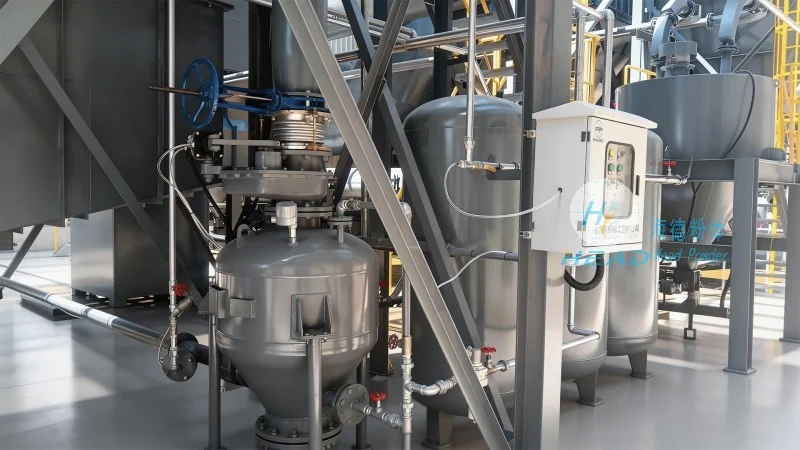
The operation of the Arsenic Trioxide Pneumatic Conveying System follows a systematic and controlled process. Initially, the system is activated by the control unit, which regulates the air pressure and flow rate. The material is then introduced into the feeding hopper, where it is pneumatically conveyed through the pipeline. The conveying process is monitored in real-time, with sensors and feedback mechanisms ensuring that the system operates within safe parameters. The material is delivered to the receiving container or processing unit, where it is then processed further. The system also includes safety features such as pressure relief valves and dust suppression mechanisms to prevent accidents and ensure worker safety.
Technical Advantages and Safety Features
HeadPowder’s Arsenic Trioxide Pneumatic Conveying System offers several technical advantages that make it an ideal solution for handling arsenic trioxide. One of the key benefits is the reduction of human exposure to the hazardous material, as the entire process is automated and enclosed. The system also minimizes the risk of dust dispersion, which is critical for maintaining a safe working environment. Additionally, the system’s high efficiency and low maintenance requirements contribute to cost savings and operational reliability. The use of advanced materials and engineering ensures that the system can withstand the corrosive and abrasive nature of arsenic trioxide, extending its service life and reducing downtime.
Application and Industry Impact
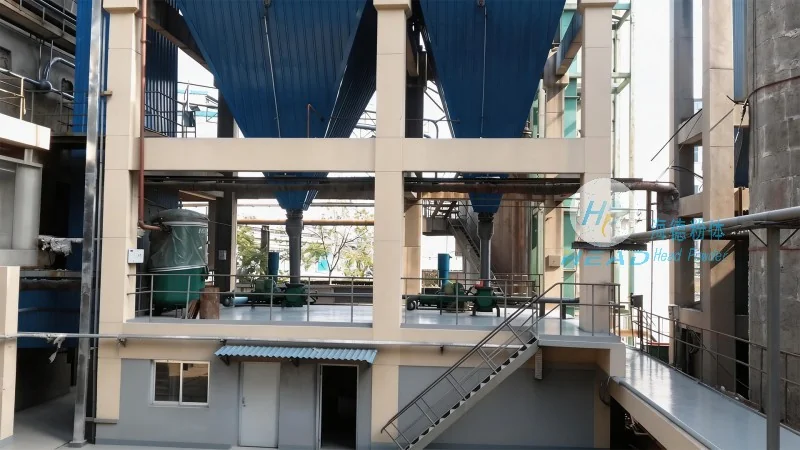
The Arsenic Trioxide Pneumatic Conveying System is widely used in various industrial applications, including pharmaceutical manufacturing, chemical processing, and environmental remediation. Its ability to handle hazardous materials safely and efficiently makes it a valuable asset for companies dealing with arsenic trioxide. By integrating this system, industries can enhance their operational safety, improve productivity, and comply with regulatory standards. The system’s design and performance have been recognized for their effectiveness in managing the challenges associated with arsenic trioxide handling, making it a preferred choice among industry professionals.