

Principle and Working Scene Characteristics of Dry Desulfurizer Material Handling System Equipment
HeadPowder, a prominent enterprise based in Shandong, China, specializes in the design, manufacturing, and supply of advanced industrial material handling systems. This article delves into the core principles and operational characteristics of dry desulfurizer material handling systems, a critical component in modern industrial processes, particularly in power generation and environmental protection sectors.
Overview of Dry Desulfurizer Material Handling Systems
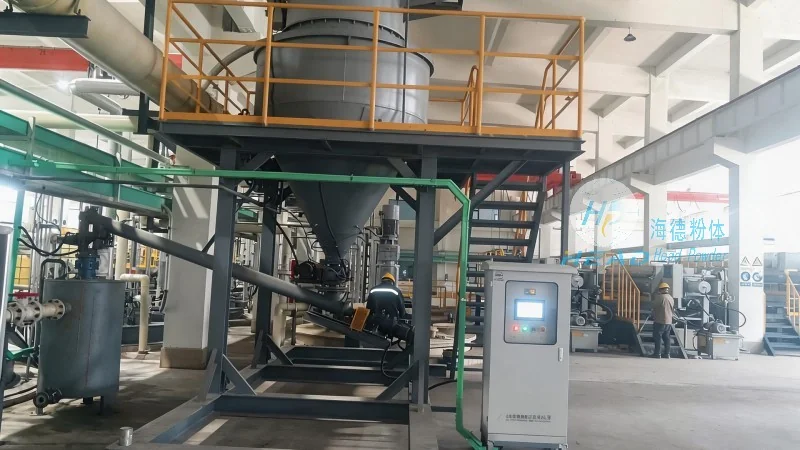
Dry desulfurization is a key technology used to reduce sulfur dioxide emissions from industrial facilities, such as thermal power plants and industrial boilers. The dry desulfurizer material handling system is responsible for transporting desulfurization agents, typically calcium-based sorbents like limestone or calcium hydroxide, to the desulfurization reactor. These systems are engineered to maintain the dryness of the sorbent, ensuring optimal performance and efficiency in the desulfurization process. The equipment in this system includes various components like feeders, conveyors, and storage silos, all working in tandem to facilitate seamless material flow.
Principle of Operation
The operation of a dry desulfurizer material handling system is based on mechanical and pneumatic principles to ensure efficient and reliable transport of desulfurization agents. The system typically starts with the storage of sorbent material in a silo, where it is stored under controlled conditions to prevent moisture absorption. From the silo, the material is fed into a feeder, which regulates the flow rate to the conveyor system. The conveyor, often a screw conveyor or a pneumatic conveying line, transports the sorbent to the desulfurization reactor. Screw conveyors are commonly used for bulk material handling due to their ability to handle dry powders and granules without the need for additional air, while pneumatic systems use air pressure to move material through pipes, offering flexibility in layout and distance.
Key Working Scene Characteristics
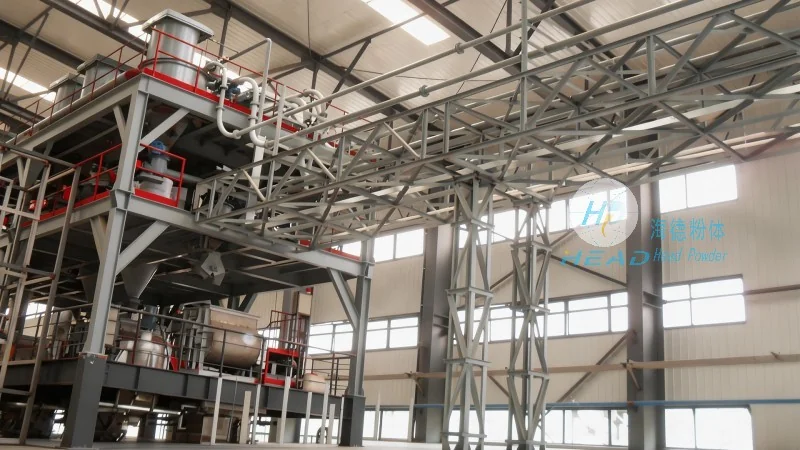
The working scene characteristics of dry desulfurizer material handling systems are tailored to the demanding environments of industrial applications. These systems are designed to operate in high-temperature and high-dust conditions, which are prevalent in power plants and industrial facilities. The equipment is constructed with corrosion-resistant materials and sealed components to prevent dust leakage and maintain material integrity. The system's design also emphasizes energy efficiency and low maintenance, as continuous operation is essential for maintaining consistent desulfurization performance. Additionally, the system is equipped with safety features such as overload protection and emergency stop mechanisms to ensure operational safety in industrial settings.
Application Scenarios and Performance
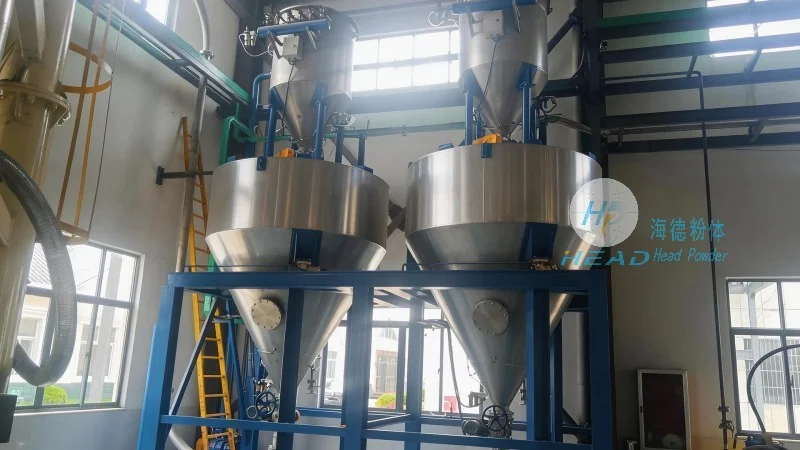
Dry desulfurizer material handling systems are widely used in various industrial scenarios, including thermal power plants, cement factories, and chemical plants. In thermal power plants, these systems are integral to the flue gas desulfurization (FGD) process, where they ensure a steady supply of desulfurization agents to the scrubbers. The performance of the system directly impacts the efficiency of the desulfurization process, as any interruption in material supply can lead to increased sulfur dioxide emissions and reduced plant efficiency. HeadPowder's systems are engineered to provide consistent flow rates and minimal downtime, contributing to the overall reliability of the desulfurization system. The systems are also adaptable to different plant layouts and operational requirements, making them suitable for both new installations and retrofit projects.
Advantages and Technical Specifications
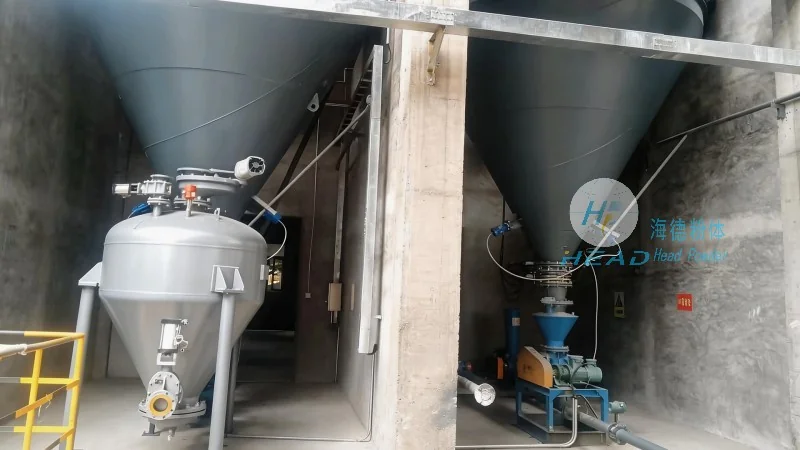
HeadPowder's dry desulfurizer material handling systems offer several advantages that make them a preferred choice in industrial applications. The systems are designed for high capacity and low energy consumption, which reduces operational costs for the end-user. The use of advanced materials and precision engineering ensures long service life and minimal maintenance requirements. The systems are also equipped with monitoring and control systems that allow for real-time tracking of material flow and system performance, enabling proactive maintenance and troubleshooting. Technical specifications of these systems typically include adjustable flow rates, variable speed drives, and compatibility with various types of desulfurization agents, ensuring flexibility in application.
Conclusion
HeadPowder's dry desulfurizer material handling systems represent a reliable and efficient solution for industrial desulfurization processes. By understanding the principles of operation and the working scene characteristics, industrial facilities can optimize their desulfurization systems to meet environmental standards while maintaining operational efficiency. The company's commitment to quality and innovation ensures that its systems are tailored to meet the specific needs of each client, providing a sustainable solution for industrial emissions control.