

Principle and Working Scenario Characteristics of High-Pressure Powdered Material Pneumatic Conveyin
High-pressure pneumatic conveying of powdered materials is a sophisticated technology that efficiently transports bulk solid particles using pressurized air or gas. This method is widely utilized across various industries due to its ability to handle diverse powder types while maintaining product integrity and operational efficiency. The following content explores the fundamental principles behind this technology and highlights key characteristics of its working scenarios, with a focus on the expertise of Shandong HeadPowder Engineering Co., Ltd.
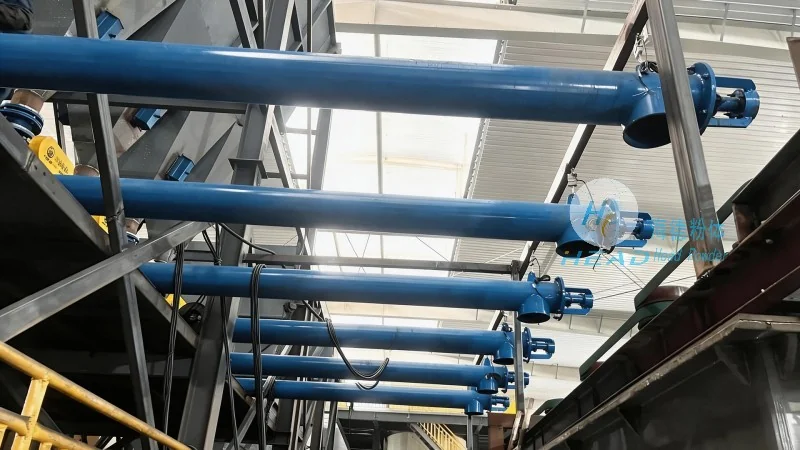
Company Introduction: HeadPowder
Shandong HeadPowder Engineering Co., Ltd., commonly known as HeadPowder, is a leading provider of advanced material handling solutions. Based in Shandong, China, the company specializes in designing, manufacturing, and implementing high-pressure pneumatic conveying systems tailored to meet the specific needs of clients in sectors such as chemical, pharmaceutical, food, and industrial manufacturing. HeadPowder's commitment to innovation and quality ensures that its systems deliver reliable performance and long-term value.
The Principle of High-Pressure Pneumatic Conveying
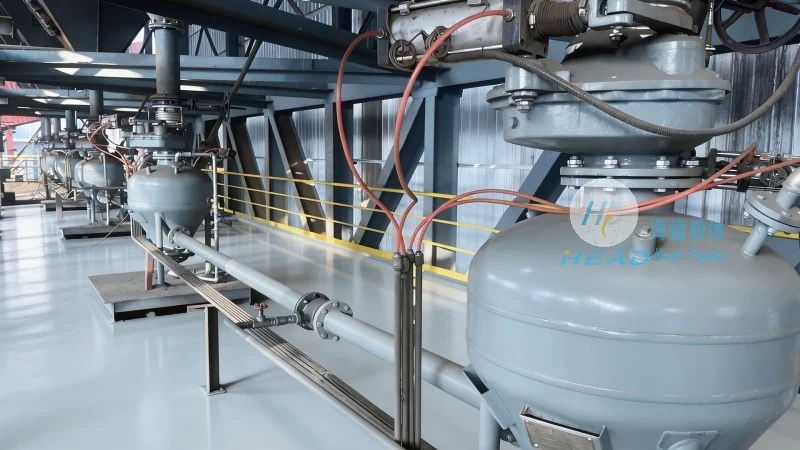
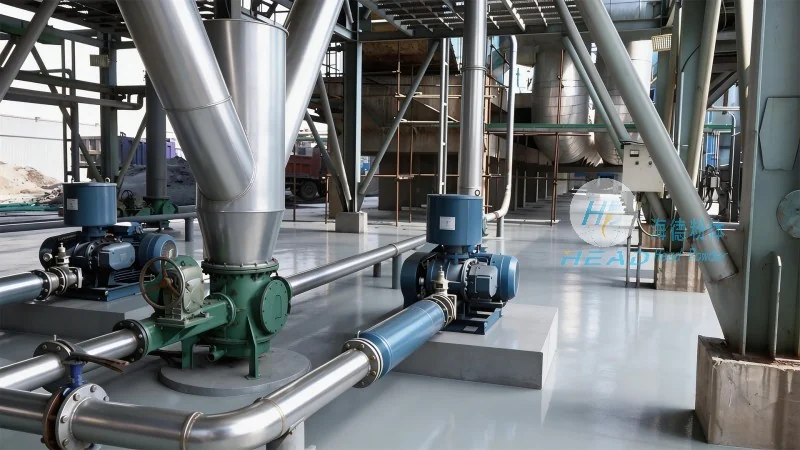
At its core, high-pressure pneumatic conveying operates by generating a high-pressure air stream within a closed system. This pressurized air is then used to entrain and transport powdered materials through a network of pipes. The system typically consists of a blower or compressor, a feed hopper, a conveying line, and a receiver or discharge point. The high pressure ensures that the air velocity is sufficient to overcome the resistance of the powder particles, allowing for smooth and continuous material transport. Key components include the air compressor, which supplies the necessary pressure, and the feed mechanism, which controls the flow rate of the powder into the system. The conveying line may include features such as bends, expansions, or filters to optimize the flow and prevent material buildup or blockages.
Working Scenario Characteristics
The working scenarios of high-pressure pneumatic conveying systems are characterized by several distinct features that make them suitable for specific applications. One primary characteristic is the ability to handle a wide range of powder properties, including different particle sizes, densities, and moisture contents. This versatility allows the system to be adapted to various material types, from fine powders to coarse granules. Another important characteristic is the system's ability to maintain product integrity. By using a closed system and controlled air pressure, the technology minimizes exposure to external contaminants and prevents material degradation or agglomeration. This is particularly critical in industries like pharmaceuticals and food processing, where product purity is paramount.
Applications and Industry Use Cases
High-pressure pneumatic conveying is widely applied in numerous industrial sectors. In the chemical industry, it is used to transport raw materials, intermediates, and finished products, such as powders for coatings, pigments, and specialty chemicals. The pharmaceutical industry relies on this technology for the safe and hygienic handling of active pharmaceutical ingredients (APIs) and excipients, ensuring compliance with stringent regulatory standards. In the food industry, high-pressure systems are employed to convey ingredients like flour, sugar, and spices, maintaining product freshness and preventing contamination. Additionally, in the industrial manufacturing sector, the technology is used for the transport of powders in processes like cement production, metal powders for 3D printing, and other bulk material handling applications.
Advantages and Technical Considerations
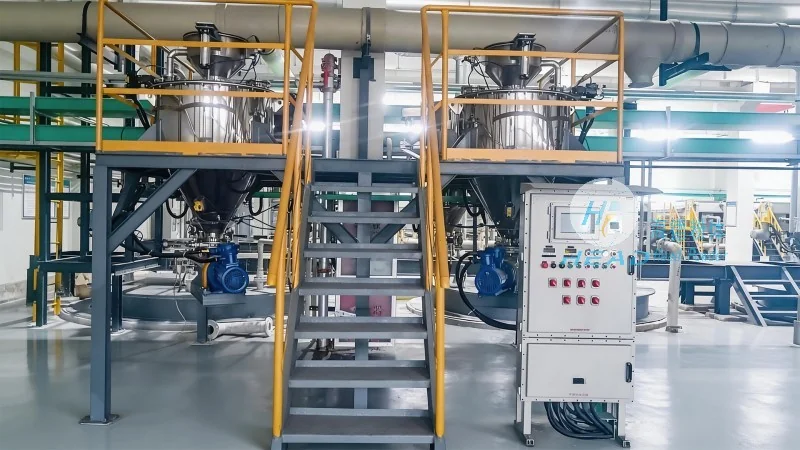
Several advantages make high-pressure pneumatic conveying an attractive option for material transport. The primary benefit is its efficiency in handling large volumes of material with minimal labor requirements. The closed system design also reduces dust emissions and improves workplace safety, which is a significant consideration in industries where powder handling is common. Furthermore, the technology offers flexibility in system design, allowing for customization to fit specific plant layouts and operational requirements. However, technical considerations must be addressed to ensure optimal performance. These include selecting the appropriate air pressure and flow rate based on the powder characteristics, maintaining proper system maintenance to prevent blockages, and ensuring the system is designed to handle the specific material's properties, such as abrasiveness or moisture content.
Conclusion
High-pressure pneumatic conveying of powdered materials is a robust and efficient technology that plays a vital role in modern industrial operations. With its ability to handle diverse materials while maintaining product integrity and operational efficiency, it remains a preferred choice for many industries. Shandong HeadPowder Engineering Co., Ltd. continues to lead in the development and implementation of these systems, providing tailored solutions that meet the evolving needs of clients worldwide.