

Principle and Working Scene Characteristics of Lithium-Ion Battery Positive Electrode Material Mater
HeadPowder, a leading engineering company based in Shandong, China, specializes in the design and manufacturing of advanced material handling systems tailored for the lithium-ion battery industry. This article explores the core principles and operational characteristics of their lithium-ion battery positive electrode material material handling system equipment, highlighting how these systems enhance efficiency and precision in material processing.
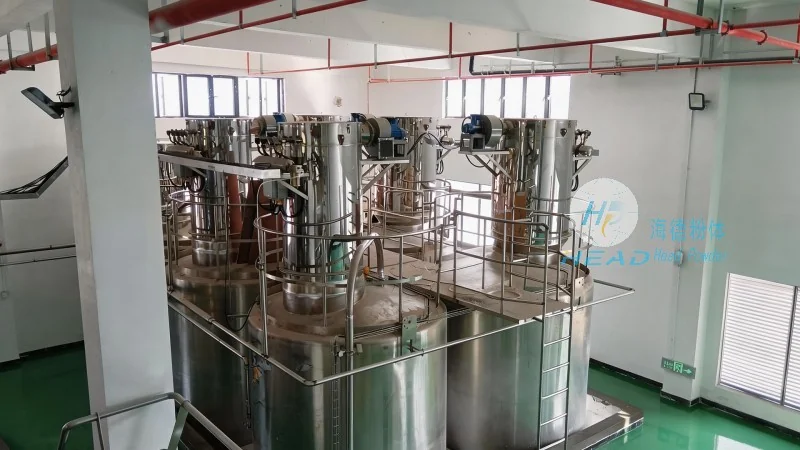
Company Overview and Expertise
HeadPowder Engineering Co., Ltd. is a reputable enterprise dedicated to providing innovative solutions for the battery materials sector. With a strong presence in Shandong, China, the company leverages years of industry experience to develop high-performance material handling systems. Their expertise lies in understanding the unique demands of lithium-ion battery production, particularly in the processing of positive electrode materials, ensuring that each system is engineered to meet stringent quality and operational standards.
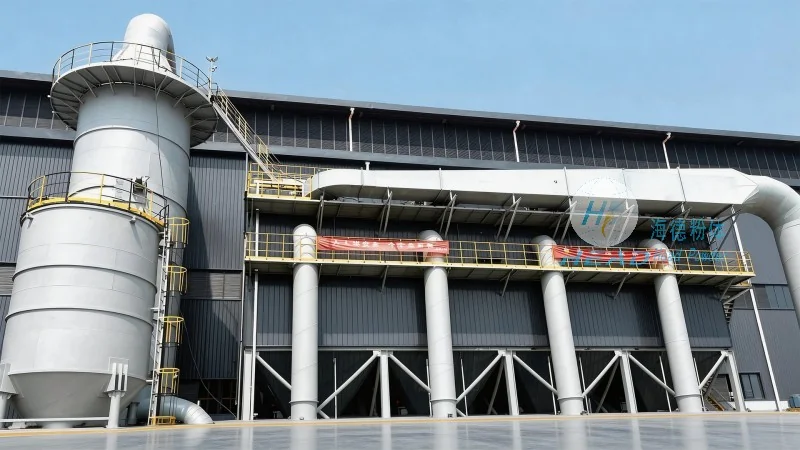
Principle of Lithium-Ion Battery Positive Electrode Material Material Handling Systems
The material handling system for lithium-ion battery positive electrode materials operates on a sophisticated principle that integrates multiple components to streamline the material transfer process. At its core, the system combines advanced automation technologies with precise control mechanisms to ensure efficient movement of raw materials from storage to processing units. Key components include conveyor belts, pneumatic or mechanical feeders, and automated sorting mechanisms that work in tandem to maintain consistent material flow. The system is designed to handle various types of positive electrode materials, such as lithium cobalt oxide (LCO), lithium iron phosphate (LFP), and other advanced cathode chemistries, adapting to different particle sizes and material properties. By utilizing real-time monitoring and feedback loops, the system can dynamically adjust its operation to optimize throughput while minimizing material loss or contamination.
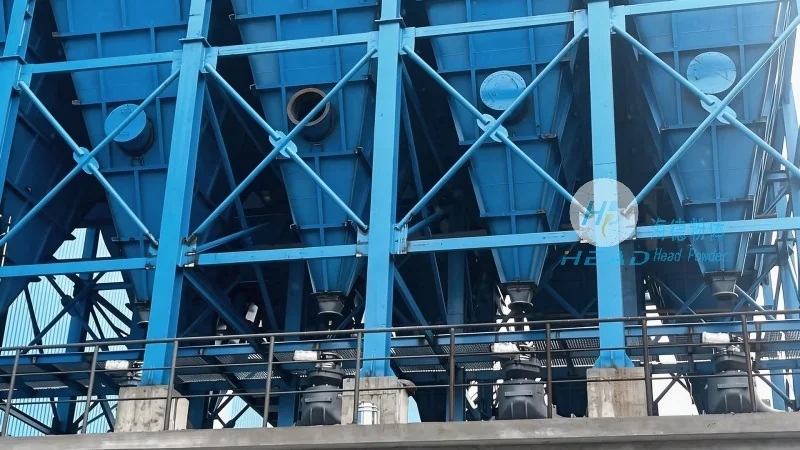
Working Scene Characteristics and Application Benefits
The working scene characteristics of these material handling systems are tailored to the specific requirements of battery manufacturing facilities. In typical industrial settings, the system operates within a controlled environment, often integrated with other production equipment like mixing, coating, and drying lines. The design emphasizes safety and reliability, with features such as enclosed conveyor systems to prevent dust dispersion and automated safety interlocks to protect operators. The system's adaptability allows it to be deployed in various production scales, from small-scale pilot lines to large-scale commercial manufacturing plants. By reducing manual handling and increasing automation, the system significantly enhances production efficiency, reduces labor costs, and improves overall product quality. Additionally, the system's modular design enables easy integration with existing production lines, minimizing downtime during installation and maintenance.
Technical Advantages and Operational Efficiency
HeadPowder's material handling systems for lithium-ion battery positive electrode materials offer several technical advantages that set them apart in the industry. The use of high-quality materials and precision engineering ensures durability and long-term performance, even under demanding operational conditions. The system's energy-efficient design reduces operational costs, making it a cost-effective solution for battery manufacturers. Furthermore, the integration of advanced sensors and control systems allows for real-time data collection and analysis, enabling predictive maintenance and proactive troubleshooting. This not only extends the system's lifespan but also ensures consistent material quality and process reliability. The system's compact footprint and modular configuration make it suitable for both new plant constructions and retrofitting existing facilities, providing flexibility to accommodate evolving production needs.
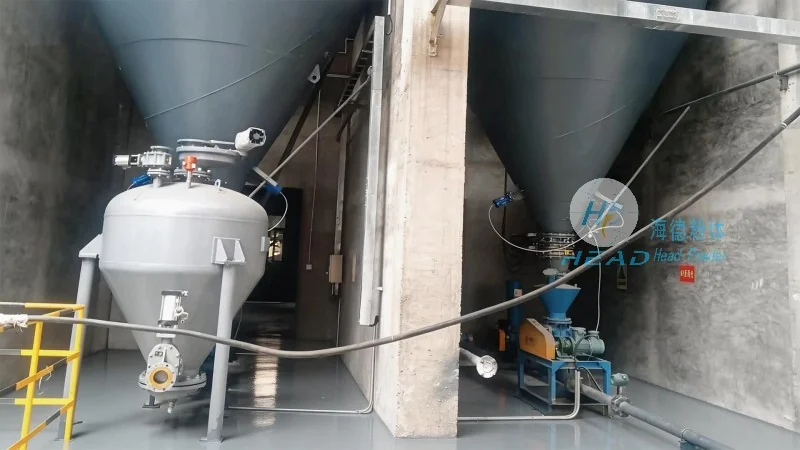
Conclusion and Industry Impact
HeadPowder Engineering Co., Ltd.'s lithium-ion battery positive electrode material material handling system equipment represents a significant advancement in battery material processing technology. By combining robust engineering principles with practical application insights, the company has developed a solution that addresses the critical needs of modern battery manufacturing. The system's ability to enhance operational efficiency, improve material quality, and reduce costs makes it an essential component for battery manufacturers aiming to stay competitive in a rapidly evolving industry. As the demand for lithium-ion batteries continues to grow, the role of advanced material handling systems like those offered by HeadPowder becomes increasingly vital in ensuring sustainable and efficient production processes.