

Principle and Working Scene Characteristics of Gray Bin Powder Pneumatic Conveying
Gray bin powder pneumatic conveying is a key technology in material handling, especially for transporting fine powders and granular materials efficiently. This method utilizes air as the conveying medium to move bulk materials from a source to a destination, offering advantages such as low maintenance, flexibility in layout, and the ability to handle sensitive or dusty materials without contamination. The core principle involves creating a pressure differential or using vacuum to draw or push the material through a pipeline, ensuring a continuous and controlled flow.
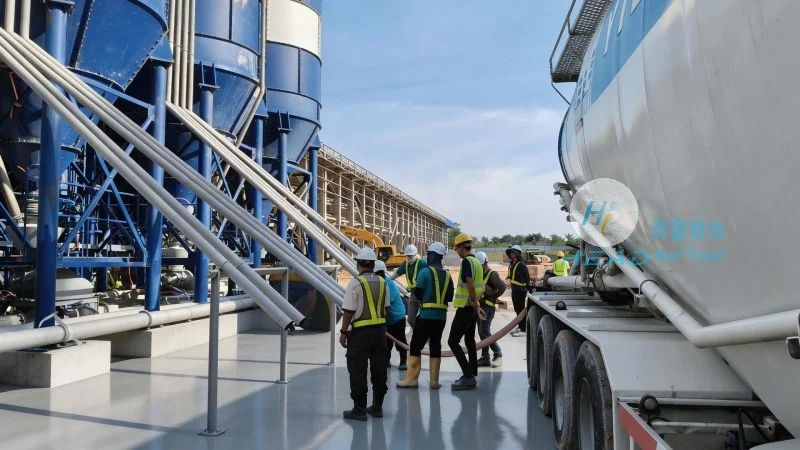
Understanding the Core Principle of Pneumatic Conveying
The fundamental principle of gray bin powder pneumatic conveying revolves around the use of air to transport solid particles. In this system, a gray bin (or hopper) serves as the material storage and feeding unit. The process typically starts with the material being drawn from the bin by a fan or blower, which generates a pressure difference. The air, carrying the powder, travels through a pipeline to the discharge point, where the material is separated from the air and collected. This method can operate under positive pressure (pressure conveying) or negative pressure (vacuum conveying), depending on the application and system design. The efficiency of the conveying process is influenced by factors like the bin's design, the air velocity, and the particle size distribution of the material.
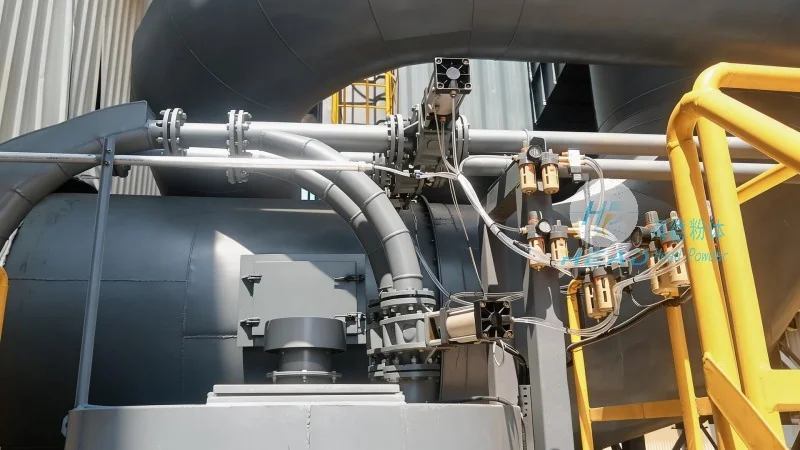
Key Working Scene Characteristics
Gray bin powder pneumatic conveying is widely applied in various industrial scenarios due to its adaptability and effectiveness. One common application is in the cement and construction industries, where large quantities of cement or fly ash are transported from storage silos to mixing plants. The system's ability to handle high volumes and maintain material integrity makes it ideal for such applications. Another typical scenario is in the chemical and pharmaceutical sectors, where sensitive powders require gentle handling to prevent agglomeration or contamination. The enclosed pipeline system ensures that the material remains clean and free from external pollutants, which is crucial for maintaining product quality. Additionally, in the food processing industry, pneumatic conveying is used to transport ingredients like flour or sugar, where hygiene and product purity are paramount. The system's flexibility allows for integration into existing production lines, minimizing downtime and operational disruptions.
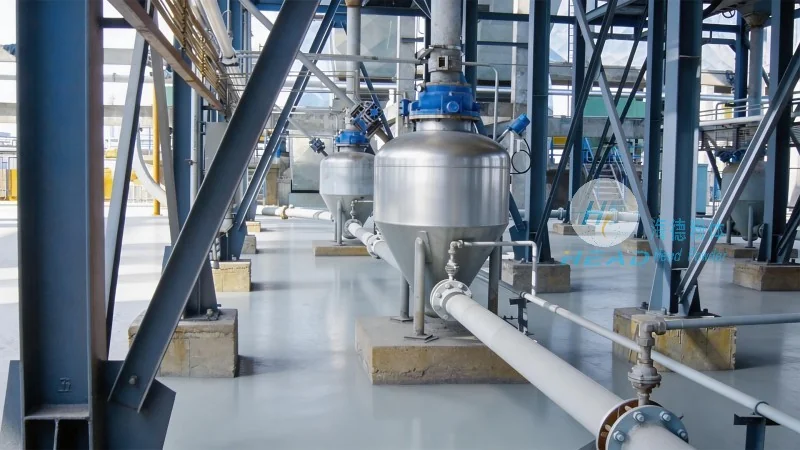
Company Overview: Shandong HeadPowder Engineering Co., Ltd.
Shandong HeadPowder Engineering Co., Ltd., operating under the brand name headpowder, specializes in the design, manufacturing, and installation of advanced powder handling systems. With a focus on innovation and customer-centric solutions, the company has established itself as a leading provider in the field of pneumatic conveying technology. HeadPowder's expertise lies in developing customized gray bin systems tailored to specific industry needs, ensuring optimal performance and reliability. The company's facilities are located in Shandong, China, where it leverages local resources and industry expertise to deliver high-quality products and services. By adhering to strict quality control standards and employing experienced engineers, HeadPowder ensures that its systems meet the highest industry benchmarks, providing long-term value to clients.
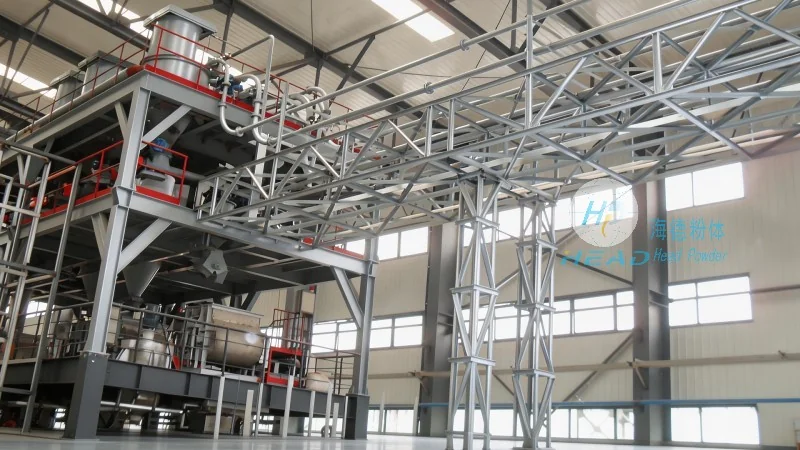
Technical Advantages and Applications
The gray bin powder pneumatic conveying system offers several technical advantages that make it a preferred choice for many industries. One of the primary benefits is its ability to handle a wide range of particle sizes and material types, from fine powders to coarse granules. The system's flexibility in layout allows for complex piping configurations, enabling material to be transported over long distances or around obstacles. Additionally, the enclosed nature of the system minimizes dust emissions, contributing to a cleaner working environment and compliance with environmental regulations. The low maintenance requirements of pneumatic conveying systems reduce operational costs and downtime, making them economically viable for both small and large-scale operations. In terms of performance, the system can achieve high conveying rates, often exceeding traditional methods like belt conveyors or bucket elevators. This efficiency is particularly valuable in industries where material throughput is critical, such as in cement production or chemical processing.