

Principle and Working Scene Characteristics of Ammonium Chloride Pneumatic Conveying Systems
Shandong HeadPowder Engineering Co., Ltd., commonly known as HeadPowder, is a professional manufacturer and supplier of pneumatic conveying systems, with its headquarters located in Shandong, China. The company specializes in the design, development, and installation of advanced conveying solutions tailored for various industrial applications, including the handling of bulk materials like ammonium chloride.
The Principle of Ammonium Chloride Pneumatic Conveying Systems
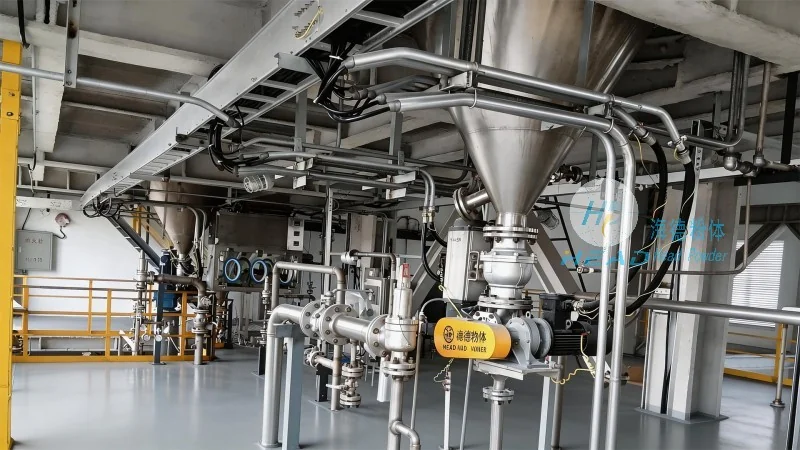
Pneumatic conveying systems operate by utilizing air or gas to transport bulk materials through a pipeline network. In the case of ammonium chloride, the system typically employs a positive pressure or negative pressure method to move the material from the source to the destination. The positive pressure system, also known as a pressure system, involves blowing air into the conveying line, which creates a pressure differential that propels the material forward. Conversely, the negative pressure system, or vacuum system, draws the material into the line using a vacuum created by a fan or blower. The choice between these methods depends on factors such as the material's properties, the distance of transport, and the required system efficiency. For ammonium chloride, which is a fine, free-flowing powder, the positive pressure system is often preferred due to its ability to handle high material loads and maintain consistent flow rates. The system components include a material hopper, a feeder, a conveying line, a filter, and a receiver. The material hopper stores the ammonium chloride, and the feeder regulates the flow rate into the conveying line. The conveying line transports the material, while the filter removes any entrained air or dust, ensuring a clean and efficient process. The receiver collects the material at the destination, completing the conveying cycle.
Working Scene Characteristics of Ammonium Chloride Pneumatic Conveying Systems
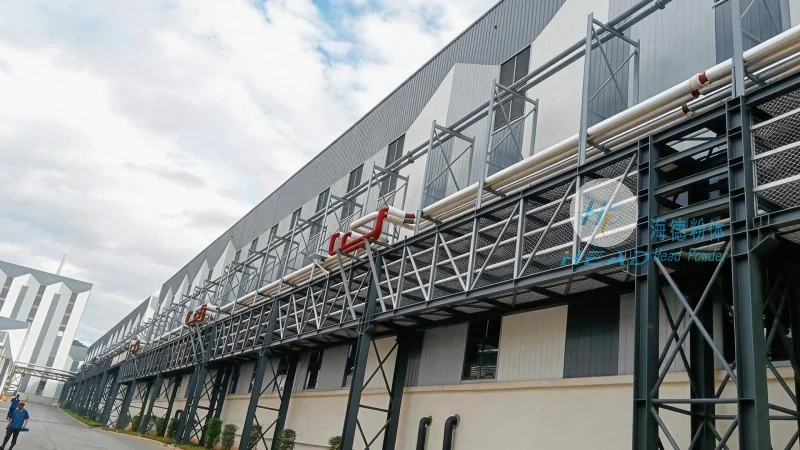
The working scene characteristics of ammonium chloride pneumatic conveying systems are tailored to meet the specific demands of industrial environments where this chemical is processed. These systems are commonly used in fertilizer production facilities, chemical processing plants, and food processing industries. The key characteristics include high efficiency in material handling, minimal product contamination, and the ability to operate in both indoor and outdoor settings. The systems are designed to handle large volumes of ammonium chloride, with some models capable of transporting up to several tons per hour. This makes them suitable for continuous production lines where consistent material flow is critical. Additionally, the systems are equipped with safety features such as pressure relief valves and explosion-proof components, ensuring safe operation in environments where ammonium chloride may be present. The working scene also includes considerations for dust control, as ammonium chloride is a fine powder that can create dust during handling. The systems incorporate dust collection and filtration systems to minimize environmental impact and maintain workplace safety. The flexibility of the system allows for integration with existing production lines, reducing downtime and installation costs. Overall, the working scene characteristics highlight the adaptability and reliability of pneumatic conveying systems in handling ammonium chloride, making them a preferred choice for industrial applications.
Advantages of Using Ammonium Chloride Pneumatic Conveying Systems
Implementing an ammonium chloride pneumatic conveying system offers several advantages over traditional material handling methods. The primary advantage is the ability to transport material over long distances without the need for multiple transfer points or intermediate storage. This reduces the risk of material degradation and contamination, which is crucial for a chemical like ammonium chloride that is sensitive to moisture and temperature changes. The system also minimizes labor costs by automating the material handling process, allowing for continuous operation with minimal human intervention. Another key advantage is the reduced space requirement compared to traditional methods, as the conveying line can be installed in a compact manner, saving valuable floor space in industrial facilities. The systems are also highly customizable, allowing manufacturers to tailor the system to specific production requirements, such as varying material flow rates or destination locations. Furthermore, the systems are energy-efficient, with the positive pressure method typically consuming less energy than other conveying methods. This contributes to lower operational costs and a smaller environmental footprint. The reliability of the system is another significant advantage, as it is designed to operate continuously with minimal maintenance requirements. Regular maintenance, such as cleaning the filter and checking the feeder, ensures the system operates at peak efficiency. Overall, the advantages of ammonium chloride pneumatic conveying systems make them a cost-effective and efficient solution for industrial material handling.
Technical Details of Ammonium Chloride Pneumatic Conveying Systems
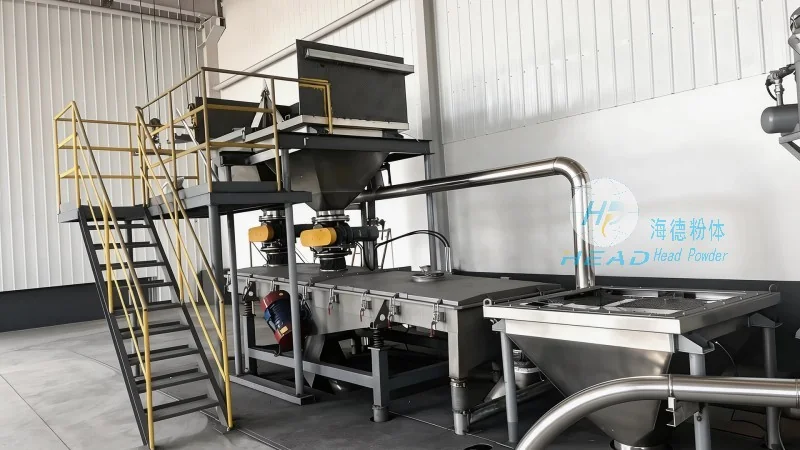
The technical details of ammonium chloride pneumatic conveying systems involve several key components and parameters that ensure optimal performance. The material hopper is designed to store the ammonium chloride in a way that minimizes bridging and agglomeration, which can affect the flow rate. The hopper typically features a conical or hopper-bottom design to facilitate smooth material discharge. The feeder, which can be a rotary valve or a screw feeder, regulates the flow rate of the material into the conveying line. The choice of feeder depends on the material's properties, such as its bulk density and flowability. The conveying line is made of materials resistant to corrosion, such as stainless steel or polyethylene, to prevent damage from ammonium chloride, which is a corrosive chemical. The line diameter and length are critical parameters that affect the system's performance. A larger line diameter reduces pressure drop and increases the material flow rate, while a longer line requires higher air pressure to maintain efficient transport. The filter is a crucial component that removes dust and particles from the air, preventing them from being released into the environment and ensuring the system operates efficiently. The receiver is designed to collect the material at the destination, with features such as a dust collection system to prevent material loss. The system also includes control panels that allow operators to monitor and adjust the system parameters, such as air pressure and material flow rate. These controls ensure the system operates within safe and efficient limits. The technical details of the system are carefully designed to meet the specific requirements of ammonium chloride handling, ensuring that the system operates reliably and efficiently in industrial settings.