

Principle and Working Scene Characteristics of a Manganese Sulfate Pneumatic Conveying System
HeadPowder, a leading provider in the field, specializes in advanced material handling solutions. Based in Shandong, China, the company has established itself as a trusted name in the industry, offering innovative technologies for efficient material transport.
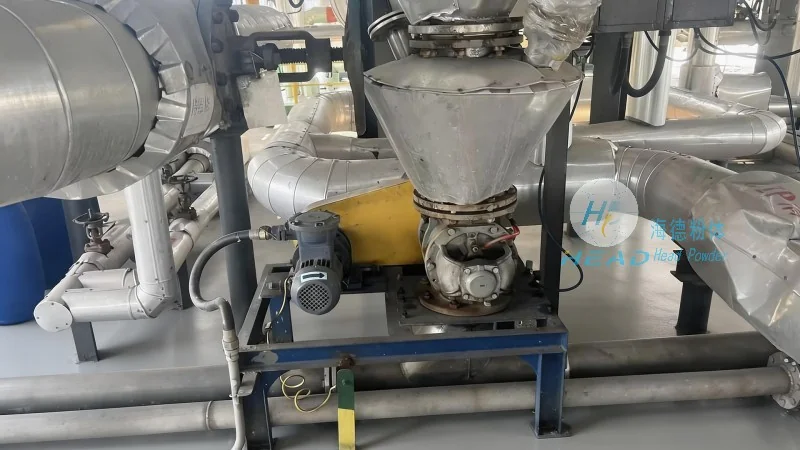
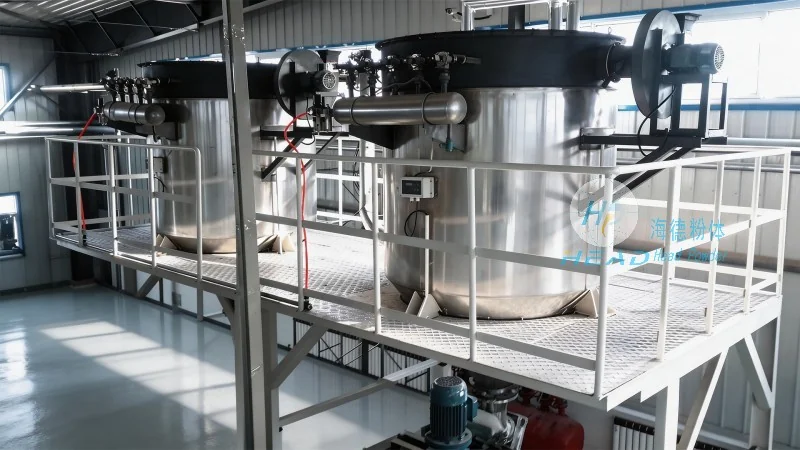
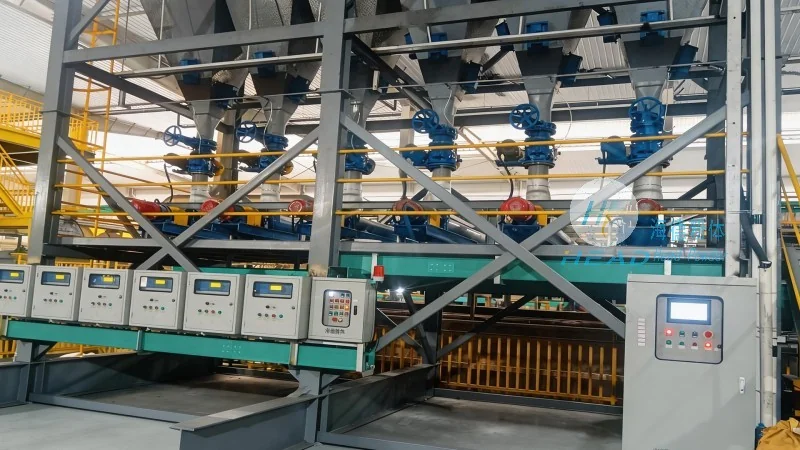
Principle of the Manganese Sulfate Pneumatic Conveying System
The pneumatic conveying system for manganese sulfate operates by utilizing air as a transport medium. The process begins with the material being stored in a hopper. A rotary valve then controls the discharge of manganese sulfate into the conveying line. Compressed air is introduced into the line, creating a positive pressure that propels the material forward. The conveying line may be of different types, such as dilute phase (where the material is suspended in air) or dense phase (where the material is pushed in a slurry-like state). The choice of phase depends on the material's characteristics and the distance to be covered. The material travels through the pipeline until it reaches the receiver, where it is collected. This entire process is driven by the air flow, which provides the necessary force to move the material. The system's design ensures efficient and reliable transport, minimizing material loss and equipment wear. Compared to traditional mechanical conveyors, this pneumatic approach offers significant advantages, especially for handling fine, dusty, or hygroscopic materials like manganese sulfate.
Working Scene Characteristics of the System
The manganese sulfate pneumatic conveying system is particularly well-suited for various industrial settings. One of its key characteristics is its ability to handle fine powders, which are often problematic in traditional systems due to dust and clogging. This makes it ideal for applications in battery manufacturing, where manganese sulfate is used as an electrode material, or in chemical production facilities that process the compound for industrial use. The system's consistent flow and ability to prevent material buildup ensure smooth operations in these environments. Another important characteristic is its adaptability to material properties. Manganese sulfate is hygroscopic, meaning it absorbs moisture from the air, which can lead to clumping and processing issues. The pneumatic system's controlled air flow and temperature management help maintain the material in a free-flowing state, reducing the risk of blockages and improving overall efficiency. Additionally, the system's compact design is advantageous for installations in confined spaces, such as within production plants or storage areas. This allows for efficient use of space while still providing reliable material transport. Safety and environmental compliance are also critical considerations. The system is designed to minimize dust emissions and ensure proper ventilation, adhering to industrial safety regulations. This makes it a preferred choice for facilities that prioritize both operational safety and environmental responsibility. The system's flexibility in handling varying material loads and processing speeds further enhances its suitability for diverse working environments, from small-scale production to large industrial operations.