

Principle and Working Scene Characteristics of Copper Ore Sand Pneumatic Conveying Systems
HeadPowder, a leading engineering company based in Shandong, China, specializes in the design and implementation of advanced pneumatic conveying systems for copper ore sand applications. With a strong focus on efficiency and reliability, their solutions are tailored to meet the specific demands of modern mining and processing industries.
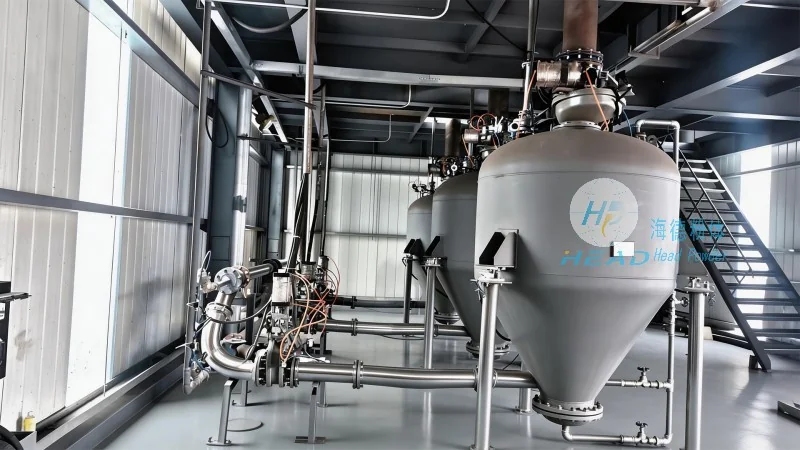
Copper Ore Sand Pneumatic Conveying System Overview
A copper ore sand pneumatic conveying system is a sophisticated mechanism used to transport copper ore sand particles through a pipeline using a stream of air or other gas. This technology offers a highly effective alternative to traditional bulk material handling methods such as belt conveyors or bucket elevators, particularly in environments where dust control and material contamination are critical concerns. The system is engineered to handle the unique characteristics of copper ore sand, including its particle size distribution, density, and moisture content, ensuring optimal performance and minimal operational disruptions.
The Fundamental Principle of Pneumatic Conveying
The core principle of a copper ore sand pneumatic conveying system revolves around the interaction between solid particles and a moving gas stream. In a typical operation, the copper ore sand is introduced into a hopper or feeder, where it is then drawn into a pipeline by a high-pressure air or gas source. The air flow creates a low-pressure zone within the pipeline, which pulls the ore sand particles along with it. This process, known as dilute-phase or dense-phase pneumatic conveying, depends on the balance between the air velocity and the particle characteristics to maintain a stable flow. The system can operate under either positive pressure (where the air pressure is higher than the ambient air pressure) or negative pressure (where the pipeline is under a vacuum), with each configuration offering distinct advantages based on the application requirements.
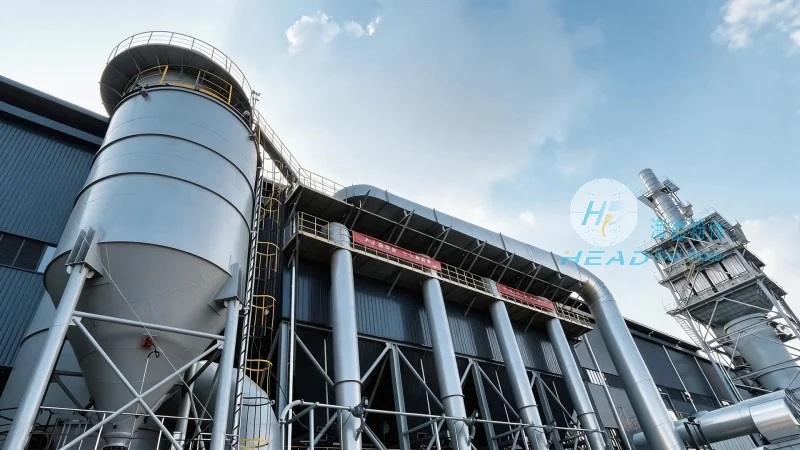
Key Working Scene Characteristics
The working scene characteristics of copper ore sand pneumatic conveying systems are tailored to the specific operational environments and material handling needs. In mining operations, these systems are often deployed in underground or open-pit mines to transport copper ore sand from extraction points to processing facilities. The flexibility of pneumatic conveying allows for the integration of multiple extraction points and the ability to route material to different processing stages without the need for extensive reconfiguration of the infrastructure. In processing plants, the system is used to move copper ore sand from crushing and grinding stages to storage silos or further treatment units. The ability to handle material at high temperatures or in corrosive environments is also a key characteristic, as copper ore processing often involves such conditions.
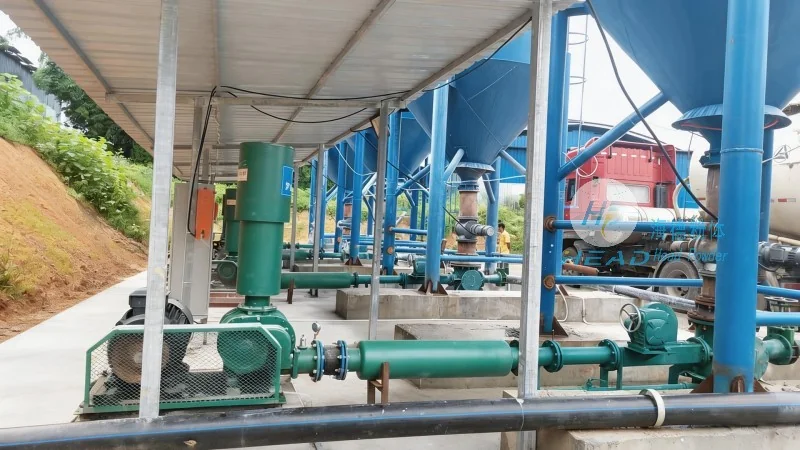
Advantages and Technical Features
HeadPowder's copper ore sand pneumatic conveying systems are designed with several technical advantages that enhance their performance and reliability. One of the primary benefits is the elimination of dust and material spillage, which is crucial for maintaining a safe and clean working environment in mining and processing facilities. The system also offers high transport efficiency, with the ability to move large volumes of material over long distances with minimal energy consumption compared to traditional methods. Additionally, the compact design of the pneumatic conveying system reduces the footprint required for material handling, making it suitable for both new installations and retrofitting existing facilities. The use of advanced control systems allows for precise regulation of the air flow and material feed rate, ensuring consistent and stable operation. Furthermore, the system's ability to handle a wide range of particle sizes and moisture contents makes it versatile for various copper ore sand applications.
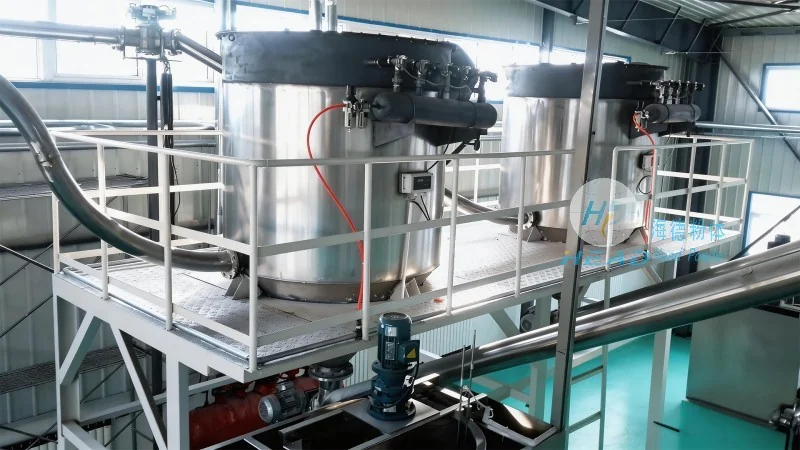
Application-Specific Considerations
When implementing a copper ore sand pneumatic conveying system, several application-specific considerations must be taken into account to ensure optimal performance. The first is the selection of the appropriate conveying type, whether dilute-phase or dense-phase, based on the material's characteristics and the distance to be covered. For example, dilute-phase systems are ideal for short to medium distances and high material throughput, while dense-phase systems are better suited for longer distances and more delicate materials that require gentler handling. The design of the hopper and feeder is also critical, as it must effectively feed the ore sand into the pipeline without causing blockages or uneven flow. The pipeline layout and diameter are another key factor, as they directly impact the air velocity and pressure required for efficient conveying. Finally, the integration of the system with existing processing equipment, such as crushers, grinders, and storage silos, must be carefully planned to ensure seamless material flow and minimal downtime.
Conclusion
HeadPowder's copper ore sand pneumatic conveying systems represent a cutting-edge solution for the efficient and reliable handling of copper ore sand in various industrial applications. By leveraging the fundamental principles of pneumatic conveying and incorporating advanced engineering design, these systems offer significant advantages over traditional material handling methods. The working scene characteristics, technical features, and application-specific considerations outlined above demonstrate the versatility and effectiveness of HeadPowder's solutions, making them an ideal choice for mining and processing companies seeking to optimize their material handling operations. With a strong commitment to quality and customer satisfaction, HeadPowder continues to provide innovative and reliable pneumatic conveying systems that meet the evolving needs of the copper ore industry.