

Principle and Working Scene Characteristics of ABS Granule Pneumatic Conveying Systems
HeadPowder, a leading provider in the field of material handling solutions, specializes in the design, manufacturing, and implementation of advanced pneumatic conveying systems. This article delves into the core principles of ABS granule pneumatic conveying systems, exploring their operational mechanisms and the diverse industrial applications where they excel. The company, Shandong HeadPowder Engineering Co., Ltd., based in Shandong, China, leverages decades of expertise to deliver efficient and reliable systems tailored to specific industry needs.
Understanding the Core Principle of Pneumatic Conveying for ABS Granules
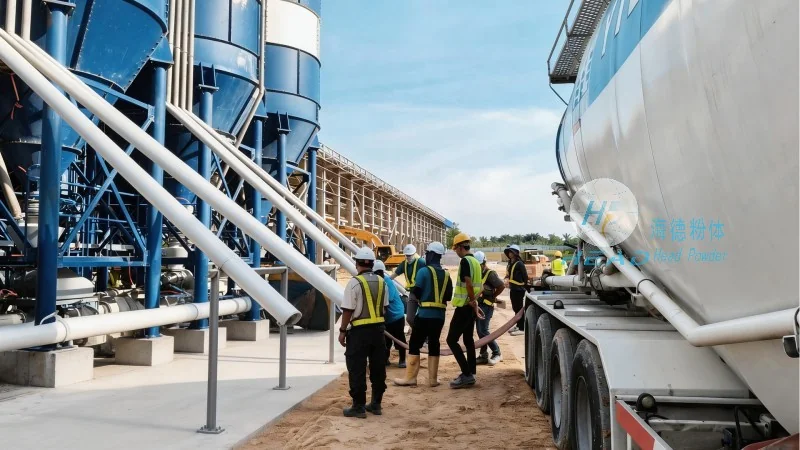
Pneumatic conveying systems utilize the force of compressed air to transport bulk materials, such as ABS granules, through a pipeline network. The fundamental principle involves creating a pressure differential that propels the material forward. In an ABS granule pneumatic conveying system, the process typically begins with the material being introduced into a hopper or feeder. From there, it is drawn into a pipeline by the suction or pressure generated by the air flow. The system can operate under either positive pressure (where air is forced through the material) or negative pressure (where air is drawn through the material), depending on the specific requirements of the application. The key components of such a system include the hopper, feeder, pipeline, and control valves, all working in concert to ensure smooth and consistent material transport. The efficiency of the system is heavily dependent on the proper selection of air velocity, pipeline diameter, and material characteristics, which are critical factors in preventing blockages and maintaining system performance.
Key Working Scene Characteristics of ABS Granule Pneumatic Conveying Systems
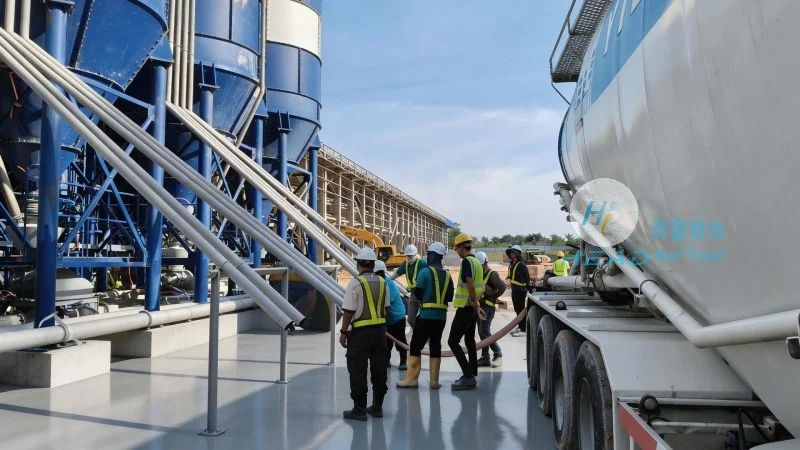
The working scene characteristics of ABS granule pneumatic conveying systems are tailored to meet the demands of various industrial environments. These systems are particularly suited for applications where material handling needs to be performed in a clean, dust-free, and space-efficient manner. For instance, in manufacturing facilities that produce ABS plastic products, the system can seamlessly transport raw granules from storage silos to processing machines, ensuring a continuous production flow. The ability to handle fine particles like ABS granules without the need for mechanical conveyors reduces the risk of contamination and material degradation, which is crucial in industries where product quality is paramount. Additionally, the systems are designed to accommodate varying material flow rates, allowing for flexible integration into existing production lines. This adaptability makes them ideal for both small-scale and large-scale operations, from research and development laboratories to full-scale manufacturing plants.
Industrial Applications and Performance Benefits
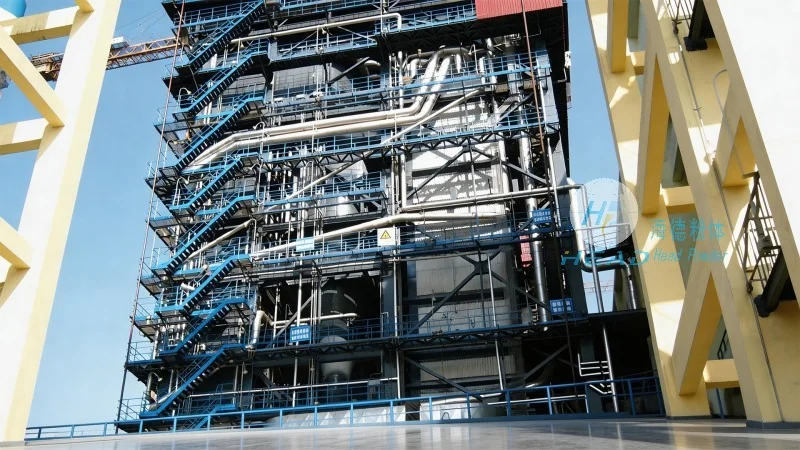
ABS granule pneumatic conveying systems find widespread application across multiple industries, including automotive, electronics, and consumer goods manufacturing. In the automotive sector, these systems are used to transport ABS granules to injection molding machines, enabling the production of high-quality plastic components with consistent properties. The electronic industry benefits from the system's ability to handle materials in a controlled environment, minimizing the risk of static discharge or contamination that could affect sensitive electronic parts. The consumer goods industry, particularly in the production of plastic packaging and household items, relies on the system's efficiency to maintain production throughput and product quality. Performance benefits of these systems include reduced labor costs, minimized material loss, and enhanced safety by eliminating the need for manual handling of bulk materials. Furthermore, the systems contribute to improved operational efficiency by providing a continuous and automated material transport process, which is essential for maintaining competitive advantages in today's fast-paced manufacturing environments.
Customization and Integration Capabilities
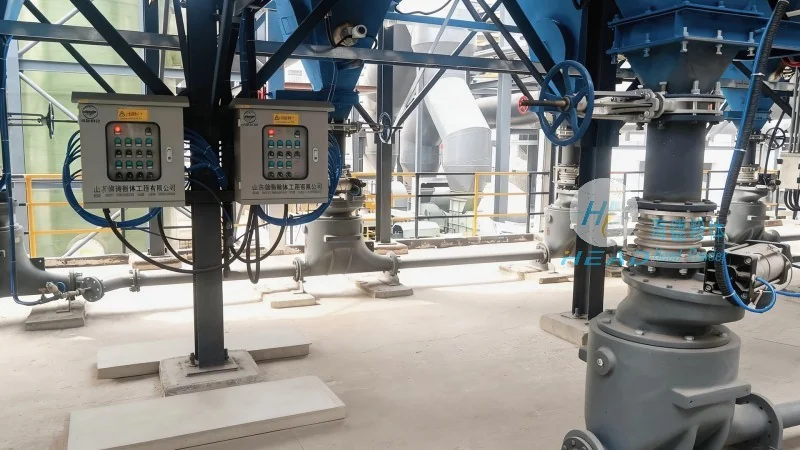
Shandong HeadPowder Engineering Co., Ltd. offers comprehensive customization options to meet the unique requirements of each client. The company's engineers work closely with customers to design systems that align with specific production processes, material characteristics, and facility layouts. Customization may include adjustments to pipeline length and diameter, the selection of appropriate air compressors and control valves, and the integration of additional features such as material separation or drying units. The ability to integrate these systems with existing production lines is a key strength, as it minimizes downtime and ensures a smooth transition to automated material handling. The company's expertise in system design and implementation ensures that each ABS granule pneumatic conveying system is optimized for maximum efficiency and reliability, tailored to the specific needs of the application. This approach not only enhances performance but also extends the lifespan of the equipment, providing long-term value to the customer.
Conclusion and Company Expertise
ABS granule pneumatic conveying systems represent a sophisticated solution for efficient material handling in various industrial applications. The principles of pneumatic transport, combined with the specific characteristics of ABS granules, enable systems that are both effective and reliable. HeadPowder, with its headquarters in Shandong, China, has established itself as a trusted provider of these systems, leveraging years of experience to deliver tailored solutions that meet the demands of modern manufacturing. By focusing on the core operational principles and working scene characteristics, these systems offer significant advantages in terms of efficiency, safety, and product quality. As industries continue to evolve, the demand for advanced material handling solutions like ABS granule pneumatic conveying systems will only grow, making them an essential component of modern production processes.