

Principle and Working Scene Characteristics of Foam Powder Pneumatic Conveying Systems
HeadPowder, a leading enterprise in the field of pneumatic conveying technology, specializes in the design, manufacturing, and application of advanced foam powder pneumatic conveying systems. This article delves into the fundamental principles of these systems and highlights their unique characteristics across various operational scenarios.
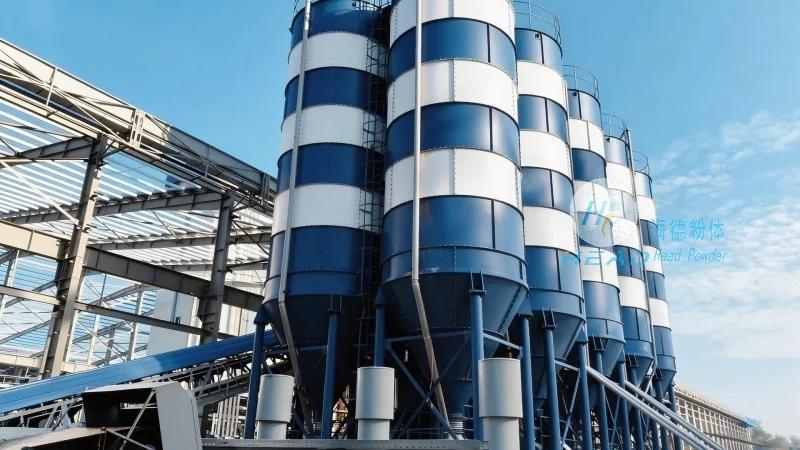
Understanding the Core Principle of Foam Powder Pneumatic Conveying
The foam powder pneumatic conveying system operates on the principle of creating a stable foam structure by mixing air with a liquid carrier, typically water or a specific solution. This foam, often referred to as a "carrier medium," provides a low-density, high-flow medium that effectively transports dry powder materials through pipelines. The key to this technology lies in the precise control of air and liquid ratios, ensuring the foam remains stable during transport while minimizing material degradation and system wear. The system typically involves a foam generator, a powder feeder, and a conveying pipeline, with the foam acting as both the transport medium and the energy source for moving the powder particles.
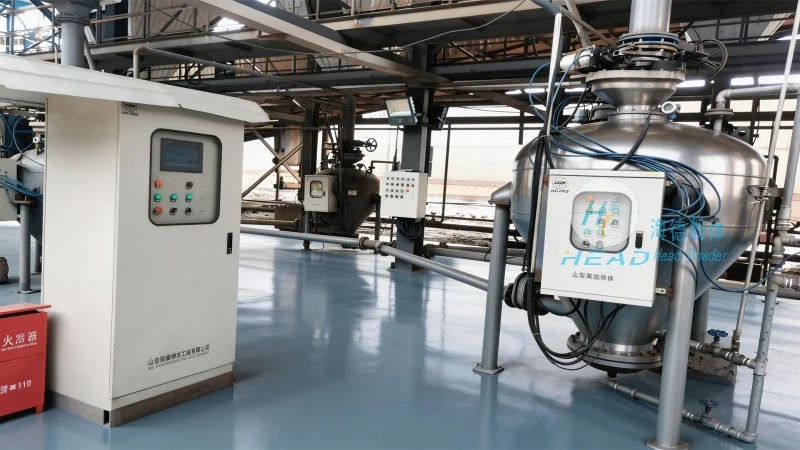
Key Working Scene Characteristics of Foam Powder Pneumatic Conveying Systems
HeadPowder's foam powder pneumatic conveying systems are designed to address specific operational challenges in diverse industrial environments. The primary characteristics that define their effectiveness include:
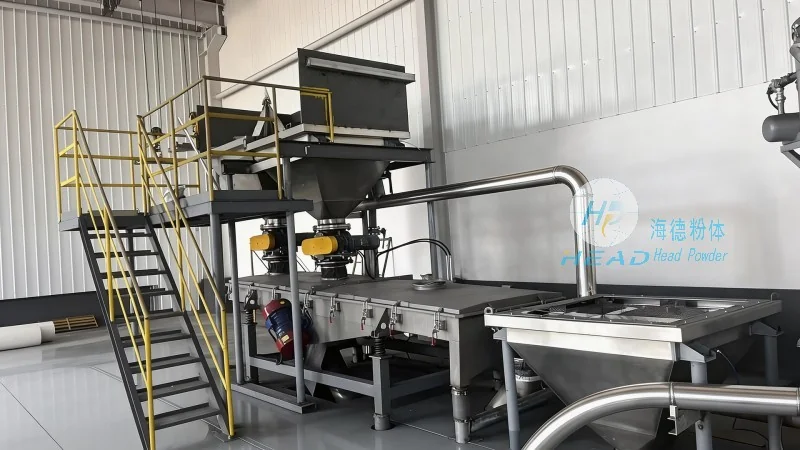
- Low Material Abrasion: The foam medium reduces direct contact between powder particles and pipeline walls, significantly lowering wear and tear on equipment. This is particularly beneficial for handling abrasive powders that would otherwise cause rapid degradation of traditional pneumatic conveying systems.
- Reduced Dust Emission: The encapsulating nature of the foam minimizes dust generation during transport, enhancing workplace safety and compliance with environmental regulations. This feature is crucial in industries where dust control is a priority, such as pharmaceuticals, food processing, and chemical manufacturing.
- Efficient Material Handling: The system enables the transportation of fine powders over long distances with minimal pressure drops and energy consumption. The stable foam structure ensures consistent flow rates, making it suitable for applications requiring precise material delivery, such as in chemical processing plants and cement production facilities.
- Adaptability to Hazardous Environments: Foam powder conveying systems are well-suited for handling materials in environments where explosion risks are a concern. The inert nature of the foam and the ability to control air flow help mitigate the risk of dust explosions, making them ideal for use in chemical and petrochemical industries.
Application Scenarios and Industry Integration
HeadPowder's foam powder pneumatic conveying systems are widely adopted across various industries due to their versatility and efficiency. Some common application scenarios include:
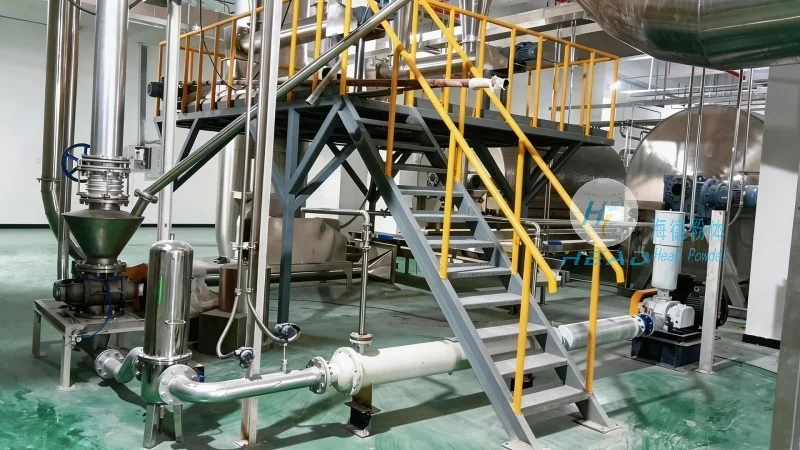
- Pharmaceutical and Food Industries: In these sectors, the low dust and hygienic nature of the foam system is critical. It ensures that powders like active pharmaceutical ingredients (APIs) or food additives are transported without contamination, maintaining product quality and safety standards.
- Chemical Manufacturing: The system is used for transporting fine chemicals, catalysts, and other reactive powders. The ability to control moisture and temperature during transport helps preserve the material's properties, which is essential for downstream processes.
- Cement and Construction Materials: Foam powder conveying is effective for handling cement, fly ash, and other bulk powders in construction and cement production. The system reduces the need for manual handling and improves the efficiency of material transfer in large-scale industrial settings.
- Petrochemical and Refining: The system is employed in the transportation of catalysts, powders used in refining processes, and other materials that require careful handling to prevent degradation or contamination.
Conclusion and Company Overview
HeadPowder Engineering Co., Ltd., based in Shandong, China, is at the forefront of developing innovative foam powder pneumatic conveying solutions. By leveraging advanced engineering and material science, the company ensures that its systems meet the stringent requirements of modern industrial applications. The combination of low abrasion, reduced dust emission, and efficient material handling makes these systems a preferred choice for industries seeking reliable and sustainable powder transport solutions. With a focus on customer-specific solutions and continuous technological advancement, HeadPowder continues to enhance the performance and applicability of foam powder pneumatic conveying systems across global markets.