

Principle and Working Scene Characteristics of Gypsum and Fly Ash Powder Pneumatic Conveying Systems
HeadPowder, formally known as Shandong HeadPowder Engineering Co., Ltd., is a leading manufacturer of pneumatic conveying systems based in Shandong, China. The company specializes in providing customized solutions for handling gypsum and fly ash powders, which are widely used in various industrial applications. This article delves into the fundamental principles of these systems and outlines the key characteristics of their operational environments, highlighting how they enhance efficiency and reliability in material transport.
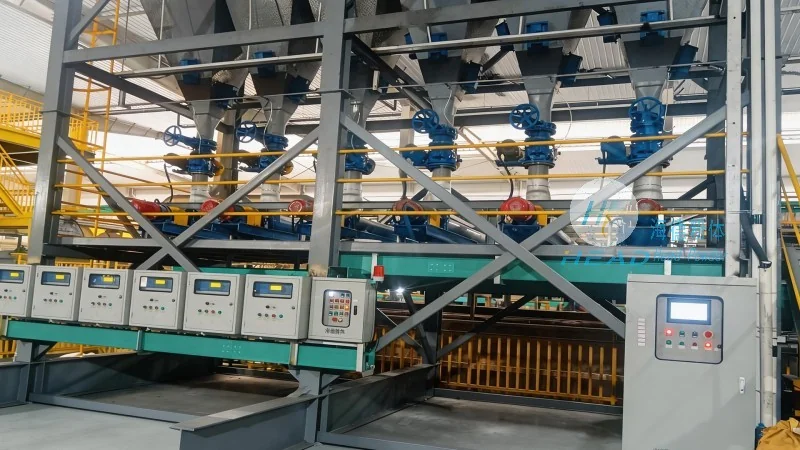
The Core Principle of Pneumatic Conveying for Powder Materials
The pneumatic conveying system operates on the principle of transporting bulk powder materials through a pipeline using air or gas as the conveying medium. In the case of gypsum and fly ash, which are fine powders with specific physical properties, the system employs a combination of pressure or vacuum to move the material from the source to the destination. The process involves several critical components, including a hopper for material storage, a feeder to control the flow rate, a conveying line, and a receiver for the discharged material. The air flow is typically generated by a blower or a vacuum pump, creating a pressure differential that propels the powder particles along the pipeline. This method eliminates the need for mechanical components like belts or buckets, reducing maintenance and increasing operational efficiency.
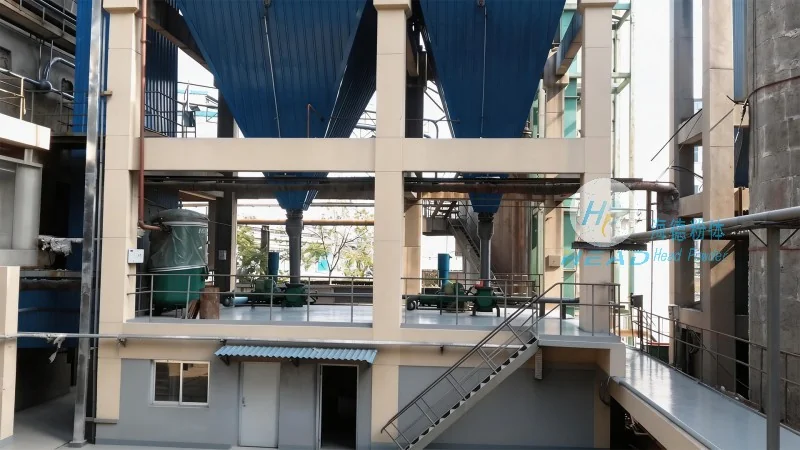
Key Working Scene Characteristics of the Systems
The operational characteristics of gypsum and fly ash powder pneumatic conveying systems are defined by several factors that influence their performance and suitability for different industrial settings. Firstly, the system's design must account for the material's density, particle size distribution, and moisture content. Gypsum and fly ash are often dry but can have varying particle sizes, which affects the air velocity required for effective transport. The system must maintain an appropriate air-to-material ratio to prevent blockages or excessive energy consumption. Secondly, the system's flexibility in handling different material types is crucial. Many industrial processes require the simultaneous or sequential transport of multiple powders, and the system's ability to handle such variations without clogging or contamination is a key advantage. Thirdly, the system's integration with existing infrastructure is important. In many industrial plants, space is limited, and the system must be compact and easy to install, often requiring minimal modifications to the existing layout. Additionally, the system's ability to operate in harsh environmental conditions, such as high temperatures or corrosive atmospheres, is essential for long-term reliability. The working scene also includes considerations for safety, as the system must comply with local regulations regarding dust explosion prevention and material handling. The design incorporates features like explosion-proof blower units and dust collection systems to ensure safe operation in potentially hazardous environments.
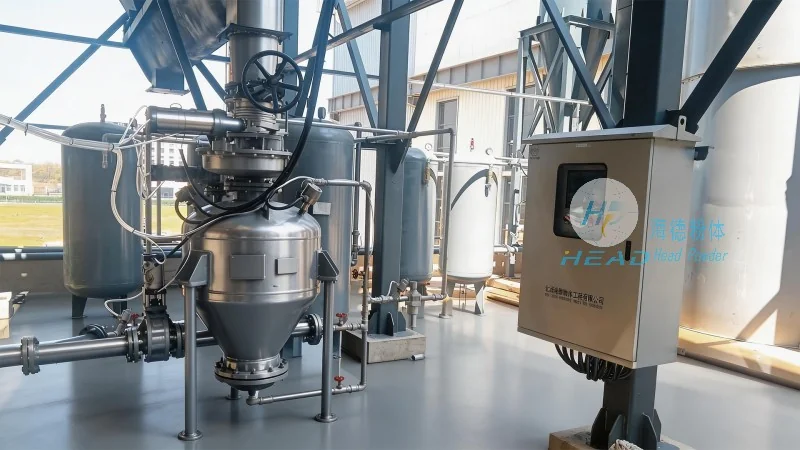
Application Scenarios and Operational Efficiency
Gypsum and fly ash powder pneumatic conveying systems are widely used in various industrial sectors, including construction materials, power generation, and waste management. In the construction industry, these systems are used to transport gypsum for wallboard production and fly ash for cement and concrete manufacturing. The systems enable efficient material handling from storage silos to production lines, reducing labor costs and improving production throughput. In power plants, fly ash is a byproduct of coal combustion and is often transported from the boiler to storage facilities or recycling plants. The pneumatic conveying system provides a clean and efficient method to handle this material, avoiding the use of trucks or other vehicles that can cause dust pollution. The systems also play a role in waste management facilities, where gypsum and other powders are processed and transported for disposal or reuse. The operational efficiency of these systems is enhanced by their ability to handle large volumes of material with minimal downtime. The use of automated controls allows for precise regulation of the conveying process, ensuring consistent material flow and reducing the risk of overloading or underloading the system. This automation also contributes to energy savings, as the system operates only when necessary and adjusts the air flow to match the material demand. The reliability of the system is further improved by regular maintenance and the use of high-quality components, which minimize breakdowns and extend the system's service life.
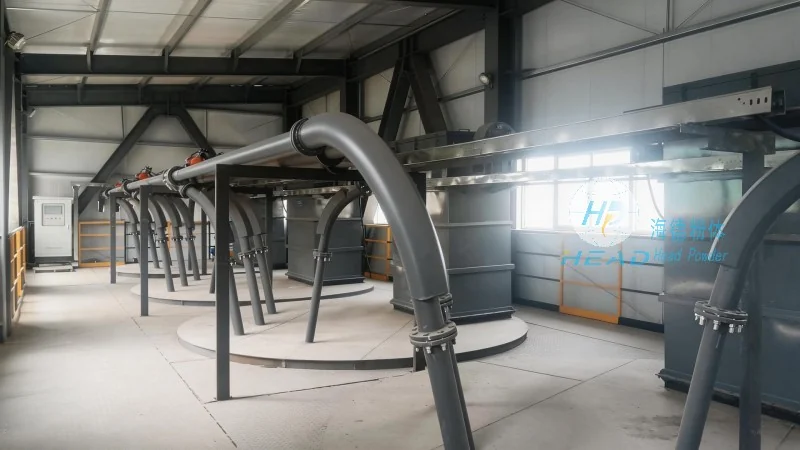
Advantages and Technical Specifications
HeadPowder's pneumatic conveying systems for gypsum and fly ash powders offer several advantages over traditional mechanical conveying methods. The primary benefit is the reduction in material handling costs, as the system eliminates the need for manual labor and reduces the wear and tear on equipment. The system also provides a cleaner and more hygienic environment, as it prevents dust from spreading and contaminating other areas of the plant. The systems are designed to be energy-efficient, with the ability to adjust the air flow to match the material's properties and the operational requirements. The technical specifications of the systems vary based on the specific application, but typically include a conveying capacity ranging from a few tons per hour to several hundred tons per hour, depending on the pipeline length and diameter. The system's pressure range can be adjusted from low-pressure (around 0.5 bar) to high-pressure (up to 10 bar), allowing for flexible operation in different scenarios. The use of stainless steel or other corrosion-resistant materials ensures the system's durability, especially when handling materials with high moisture content or corrosive properties. The system's modular design allows for easy expansion or modification, enabling it to adapt to changing production needs over time.