

Principle and Working Scene Characteristics of Ammonium Bicarbonate Pneumatic Conveying System
HeadPowder, a leading provider in the field of powder handling technology, specializes in advanced pneumatic conveying systems tailored for the efficient and safe transport of ammonium bicarbonate. This article delves into the fundamental principles behind such systems and highlights the key characteristics of their operational environments.
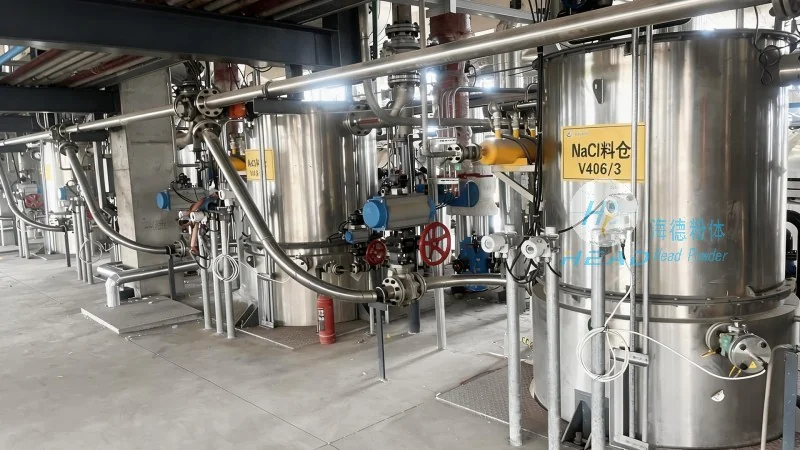
Introduction to Ammonium Bicarbonate Pneumatic Conveying Systems
Ammonium bicarbonate, a white crystalline powder widely used in the food, pharmaceutical, and chemical industries, requires specialized handling due to its hygroscopic nature and potential for dust generation. Pneumatic conveying systems offer a solution by utilizing air or gas to transport the material through a pipeline network. These systems are designed to ensure minimal product degradation, maintain consistent flow rates, and enhance overall operational safety.
The Core Principle of Pneumatic Conveying
The fundamental principle of pneumatic conveying involves the creation of a pressure differential between the inlet and outlet of the conveying line. By introducing air or gas into the system, the material is suspended and propelled through the pipeline. There are two primary types of pneumatic conveying: dilute phase and dense phase. Dilute phase systems operate at higher velocities, typically 20-30 m/s, and are suitable for short to medium distances, while dense phase systems use lower velocities (5-15 m/s) and higher pressure, ideal for longer distances and more sensitive materials like ammonium bicarbonate.
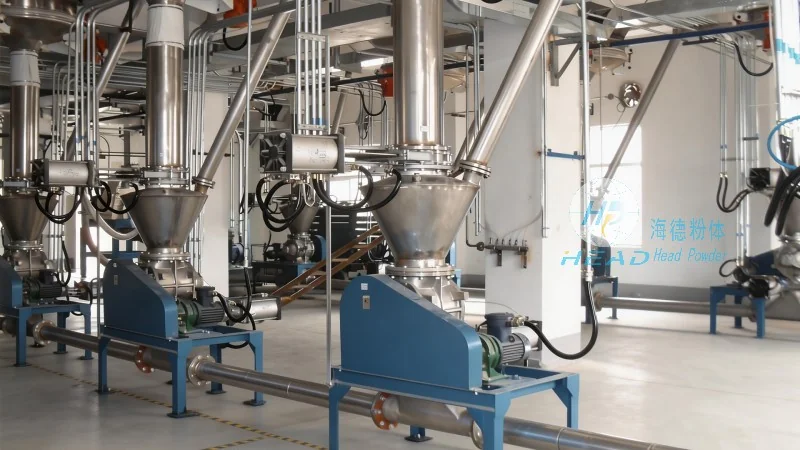
Key Working Scene Characteristics
The operational characteristics of ammonium bicarbonate pneumatic conveying systems are shaped by several critical factors that define their suitability for various industrial applications.
1. Hygroscopic Handling and Moisture Control
Ammonium bicarbonate is highly hygroscopic, meaning it readily absorbs moisture from the air. Pneumatic conveying systems are engineered to minimize exposure to ambient humidity, often incorporating sealed pipelines and controlled environmental conditions. This is crucial for maintaining the product's purity and preventing caking or clumping during transport.
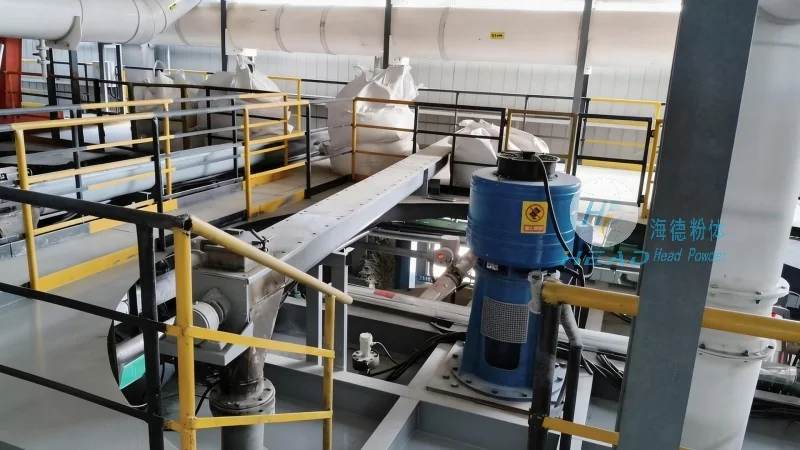
2. Dust Suppression and Safety Measures
Dust control is a paramount concern in the handling of ammonium bicarbonate due to its fine particle size and potential health hazards. The systems employ advanced filtration and sealing technologies to prevent dust leakage. Additionally, explosion-proof designs and emergency shut-off mechanisms are integrated to ensure workplace safety, adhering to stringent industrial safety standards.
3. Scalability and Flexibility in Industrial Settings
HeadPowder's pneumatic conveying solutions are designed to be scalable, accommodating varying production volumes and process requirements. Whether for small-scale laboratory applications or large-scale industrial production lines, the systems can be customized to integrate seamlessly with existing infrastructure. This flexibility allows for efficient material transfer between storage silos, processing units, and packaging stations, optimizing workflow and reducing downtime.
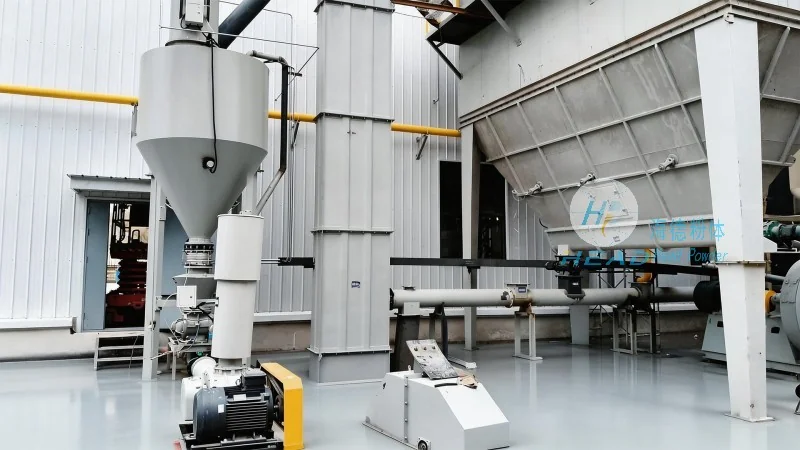
4. Energy Efficiency and Operational Cost Management
Modern pneumatic conveying systems prioritize energy efficiency through optimized air flow management and variable speed drives. By reducing energy consumption, these systems contribute to lower operational costs while maintaining high performance. The use of high-efficiency motors and pressure control systems further enhances the overall economic viability of the operation.
Conclusion: Advancing Powder Handling with Specialized Solutions
HeadPowder Engineering Co., Ltd., based in Shandong, China, continues to innovate in the development of pneumatic conveying systems for ammonium bicarbonate. By combining advanced engineering principles with practical industrial insights, the company ensures that its solutions meet the stringent demands of modern manufacturing. The principles and characteristics outlined above underscore the importance of tailored, efficient, and safe material handling systems in the production and distribution of ammonium bicarbonate, supporting industries in achieving higher productivity and operational excellence.