

Principle and Operational Characteristics of Kaolin Powder Pneumatic Conveying Systems
For industrial applications involving the handling of fine powders like kaolin, pneumatic conveying systems offer a reliable and efficient method to transport materials over short to medium distances. This article explores the fundamental principles behind such systems and highlights the key operational characteristics that define their performance in handling kaolin powder.
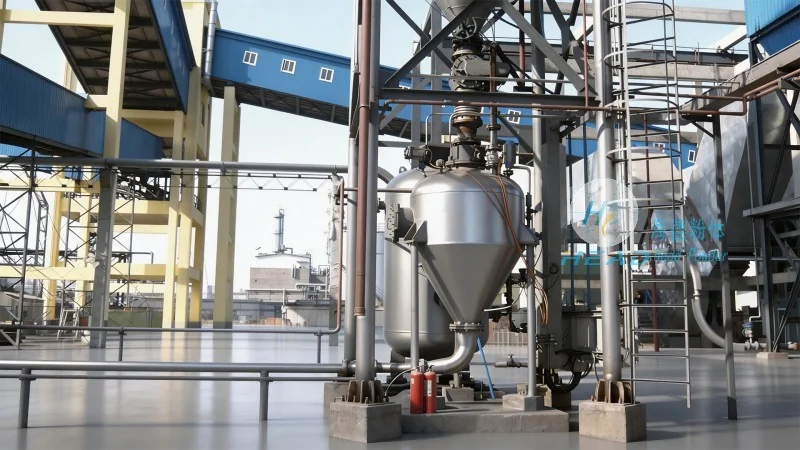
Understanding Pneumatic Conveying Systems
Pneumatic conveying systems utilize air or gas as the medium to transport bulk materials through a network of pipes. The core principle involves creating a pressure differential that propels the material forward. In the case of kaolin powder, which is known for its fine particle size and high moisture sensitivity, specialized system designs are essential to maintain material integrity and ensure efficient transport.
Key Components of Kaolin Powder Pneumatic Conveying Systems
The effectiveness of a kaolin powder pneumatic conveying system depends on several critical components. These typically include a material feeder, which accurately controls the flow of kaolin into the system; a conveying pipeline that transports the material; a separation unit, such as a cyclone or filter, to separate the material from the air; and a receiver or storage vessel for the processed kaolin. Each component must be designed to handle the specific properties of kaolin, including its low bulk density and tendency to agglomerate.
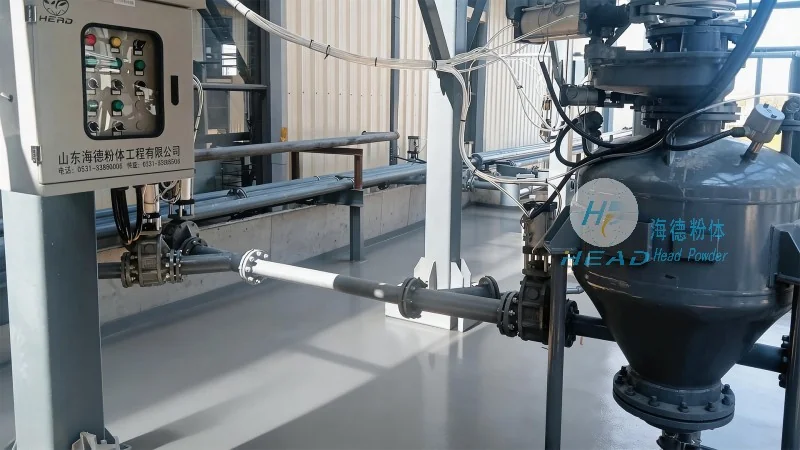
Principle of Operation
The operation of a kaolin powder pneumatic conveying system can be categorized into two main types: positive pressure and negative pressure systems. Positive pressure systems generate air pressure at the material inlet, pushing the powder through the pipeline. Negative pressure systems, on the other hand, create a vacuum at the discharge end, drawing the material into the system. For kaolin powder, positive pressure systems are often preferred due to their ability to handle high material loads and maintain consistent flow rates, which is crucial for maintaining the quality of the final product.
Operational Characteristics in Different Scenarios
The operational characteristics of kaolin powder pneumatic conveying systems vary based on the specific application and the environment in which they are used. For instance, in the ceramics industry, where kaolin is a primary raw material for clay bodies, the system must be capable of delivering precise amounts of powder to mixing and molding processes. This requires high accuracy in material feed control and consistent pressure maintenance to avoid variations in the final product's texture and color.
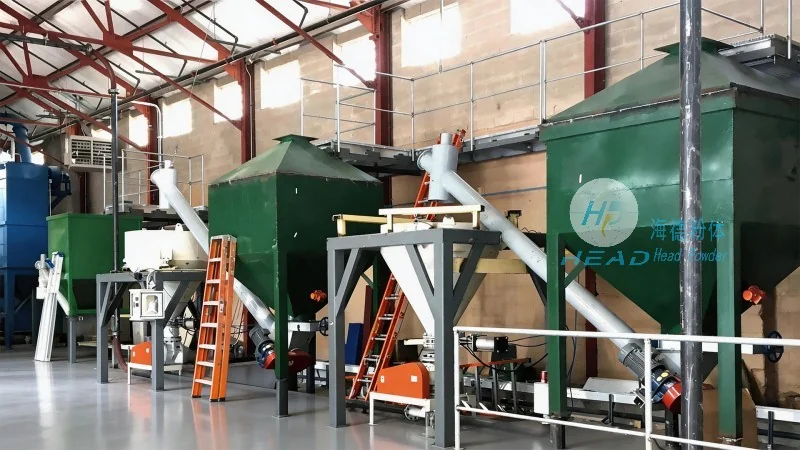
In the paper industry, kaolin is used as a coating and filler. The pneumatic conveying system must ensure that the powder is delivered to the coating machine without agglomeration or moisture contamination, which could affect the paper's surface quality. The system's ability to handle fine particles and maintain a dry environment is therefore critical. Additionally, in industrial settings where space is limited, compact system designs are preferred, which may involve vertical or horizontal conveying configurations tailored to the available layout.
Performance and Efficiency Considerations
Efficiency in kaolin powder pneumatic conveying systems is measured by factors such as the system's capacity, the pressure drop across the pipeline, and the energy consumption per unit of material transported. High-efficiency systems minimize energy waste by optimizing air velocity and pipe diameter, ensuring that the material is conveyed with the least amount of air required. This not only reduces operational costs but also minimizes the environmental impact by reducing air emissions and noise levels.
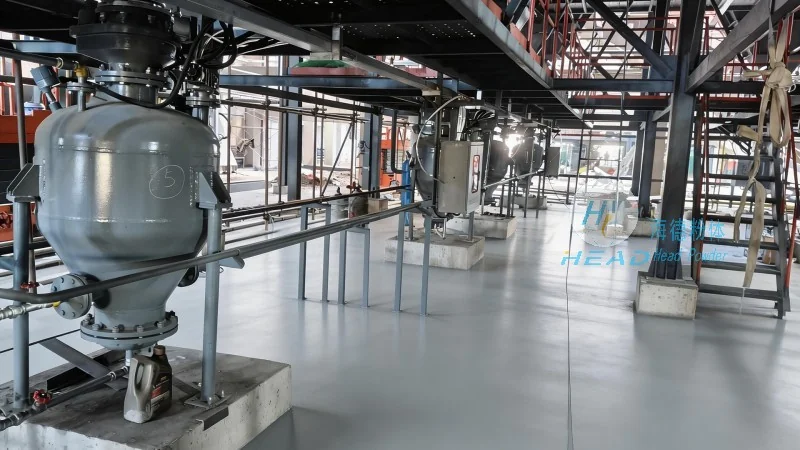
Another important operational characteristic is the system's ability to handle variations in kaolin quality. Kaolin can have different particle sizes and moisture contents depending on the source and processing methods. A well-designed pneumatic conveying system can adapt to these variations by adjusting the air flow rate and pressure, ensuring consistent performance and preventing system blockages or inefficiencies.
Conclusion
Kaolin powder pneumatic conveying systems are essential for industries that rely on high-quality kaolin for their products. By understanding the fundamental principles of these systems and their operational characteristics, manufacturers can select and operate equipment that maximizes efficiency, maintains material integrity, and meets the specific requirements of their applications. The systems' ability to handle fine powders like kaolin with precision and reliability makes them a preferred choice for modern industrial processes.