

Principle and Working Scene Characteristics of Automatic Weighing Pneumatic Conveying Equipment
HeadPowder, a leading engineering company based in Shandong, China, specializes in the design and manufacturing of advanced pneumatic conveying systems. The company's focus on precision and efficiency is evident in its automatic weighing pneumatic conveying equipment, which integrates state-of-the-art technology to optimize material handling processes.
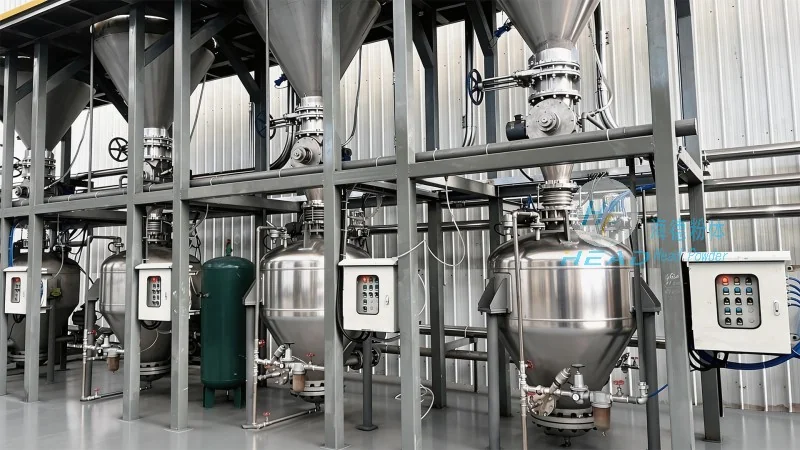
Understanding the Core Principle of Automatic Weighing Pneumatic Conveying Equipment
The automatic weighing pneumatic conveying system operates on the fundamental principle of using air pressure to transport bulk materials from one location to another. Unlike traditional methods that rely on mechanical components like belts or screws, this equipment employs a pneumatic pipeline network to move materials. The system includes a hopper for material storage, a weighing hopper to measure the quantity of material being conveyed, and a control unit that regulates the air flow and material discharge. The weighing hopper is equipped with load cells, which provide real-time data on the weight of the material, ensuring accurate measurement and control. This integration of pneumatic transport with weighing technology allows for precise monitoring of material flow rates, enabling users to maintain consistent production processes and reduce material waste.
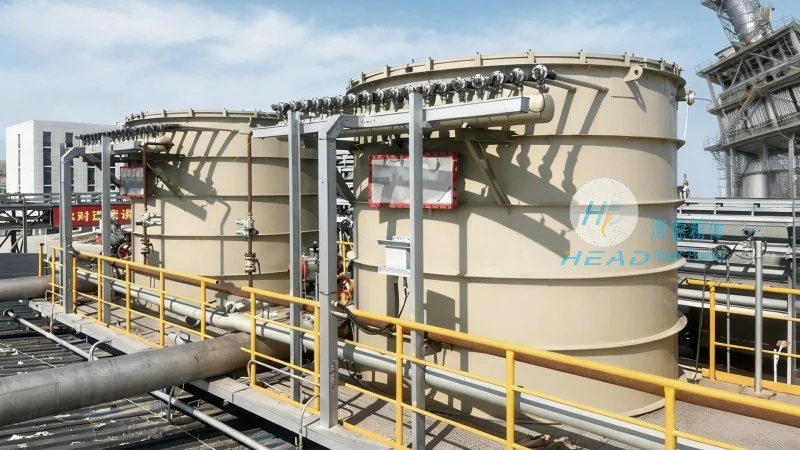
Key Working Scene Characteristics and Applications
Automatic weighing pneumatic conveying equipment is particularly suited for industrial environments where material handling requires both efficiency and precision. Common applications include the food processing industry, where it is used to transport ingredients like flour, sugar, and spices with minimal contamination and precise measurement. In the chemical industry, it handles powders and granules, ensuring safe and accurate dosing for production lines. The equipment is also widely used in the pharmaceutical sector, where strict regulations demand high accuracy and hygiene. The working scene characteristics include its ability to operate in both batch and continuous modes, adapting to different production schedules. Additionally, the system's compact design allows for installation in confined spaces, making it ideal for retrofitting into existing facilities. The integration of automatic weighing features ensures that each batch of material is measured accurately, reducing the need for manual checks and improving overall operational efficiency.
Advantages in Material Handling and Process Control
One of the primary advantages of automatic weighing pneumatic conveying equipment is its ability to enhance process control and reduce operational costs. By providing real-time weight data, the system allows operators to adjust material flow rates dynamically, ensuring that production targets are met without excess material usage. This precision in material handling minimizes waste and lowers storage costs, as materials are used more efficiently. The equipment also reduces labor costs by automating the weighing and conveying process, eliminating the need for manual weighing and material transfer. Furthermore, the pneumatic system offers a hygienic and clean environment, which is crucial in industries like food and pharmaceuticals, where contamination control is paramount. The system's design minimizes material contact with surfaces, reducing the risk of cross-contamination and ensuring compliance with industry standards. In terms of maintenance, the pneumatic components are generally more durable and require less frequent replacement compared to mechanical systems, leading to lower long-term maintenance costs.
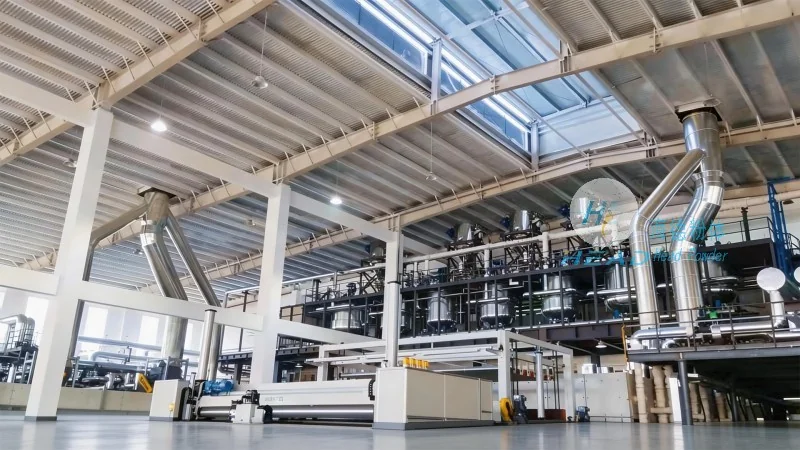
Customization and Integration with Existing Systems
HeadPowder understands that each industrial application has unique requirements, and thus offers customized solutions for automatic weighing pneumatic conveying equipment. The company's engineering team works closely with clients to design systems that fit specific operational needs, including different material types, flow rates, and environmental conditions. The equipment can be integrated with existing production lines, allowing for seamless transition without disrupting current operations. Customization options include adjustable hopper sizes, different air pressure settings, and compatibility with various weighing scales. This flexibility ensures that the system meets the exact demands of the client, whether it's for small-scale production or large industrial facilities. The company's commitment to quality and innovation is reflected in its ability to provide tailored solutions that enhance productivity and efficiency.