

Principle and Working Scene Characteristics of Lithium Oxide Pneumatic Conveying Systems
Understanding the principles and operational characteristics of lithium oxide pneumatic conveying systems is crucial for industries dealing with this specialized material. As a key component in the processing and handling of lithium oxide, these systems offer efficient and safe methods for material transport. This article explores the fundamental mechanisms behind such systems and highlights the specific working scenarios where they are most effectively applied.
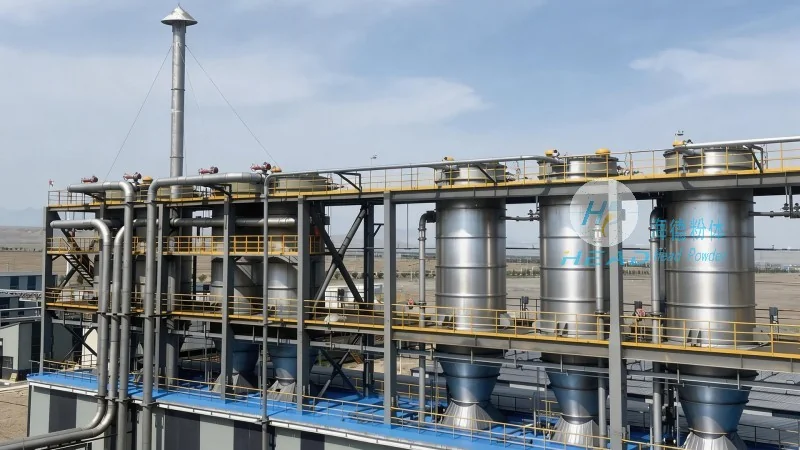
Introduction to Lithium Oxide Pneumatic Conveying Systems
Lithium oxide, a critical material in the production of lithium-based batteries and other chemical compounds, requires specialized handling due to its reactivity and the need for precise control during transport. Pneumatic conveying systems provide an ideal solution by utilizing air pressure to move the material through a sealed system, minimizing exposure to contaminants and ensuring consistent flow rates. The technology has evolved significantly, offering various configurations tailored to different industrial needs.
About HeadPowder: Shandong HeadPowder Engineering Co., Ltd.
HeadPowder, a leading manufacturer in the field of material handling solutions, is dedicated to providing high-quality pneumatic conveying systems. With a strong presence in China, particularly in Shandong, the company has established itself as a trusted partner for industries requiring reliable and efficient material transport solutions. HeadPowder's expertise lies in designing and manufacturing systems that meet the stringent requirements of handling lithium oxide and other sensitive materials.
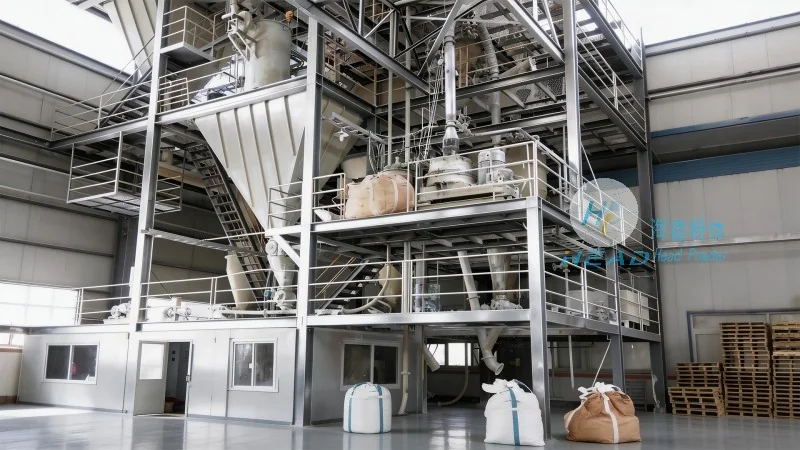
The Fundamental Principle of Pneumatic Conveying
Pneumatic conveying operates on the principle of using compressed air to create a flow that propels material particles through a pipeline. In the case of lithium oxide, the system typically includes a feeding device, a conveying line, and a separation unit. The feeding device, often a rotary valve or a hopper with an airlock, introduces the material into the system under controlled conditions. Compressed air then accelerates the material, transporting it through the pipeline to the destination point. The separation unit, such as a cyclone or a bag filter, separates the material from the air stream, allowing for safe and efficient recovery.
Key Components and Their Functions
Several key components work in tandem to ensure the smooth operation of a lithium oxide pneumatic conveying system. The feeding device is responsible for introducing the material into the system, often equipped with airlock mechanisms to prevent backflow and maintain consistent flow. The conveying line, usually made of stainless steel or other corrosion-resistant materials, is designed to withstand the chemical properties of lithium oxide and the pressure of the air stream. The air compressor provides the necessary pressure to drive the material, while the separation unit ensures that the material is collected without loss or contamination. Each component plays a vital role in maintaining the efficiency and safety of the system.
Working Scene Characteristics and Applications
Lithium oxide pneumatic conveying systems are widely used in various industrial settings, particularly in the battery manufacturing and chemical processing industries. The systems are particularly advantageous in environments where traditional mechanical conveying methods may pose risks due to the material's reactivity or the need for contamination-free handling. For instance, in battery production facilities, these systems are used to transport lithium oxide from storage to processing lines, ensuring a continuous and safe supply of raw material. In chemical plants, they are employed to move the material between reactors and storage tanks, maintaining the integrity of the material and the safety of the operational environment.
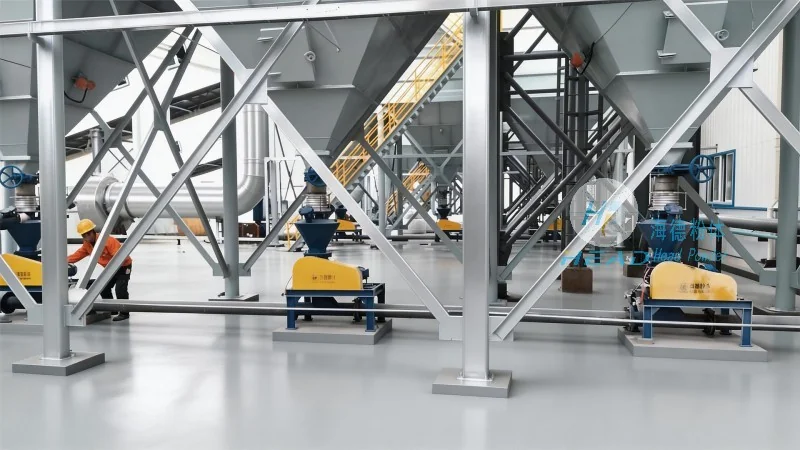
Advantages of Lithium Oxide Pneumatic Conveying Systems
Compared to traditional conveying methods, lithium oxide pneumatic conveying systems offer several significant advantages. One of the primary benefits is the ability to handle the material in a sealed system, which minimizes exposure to air and moisture, thereby preserving the material's quality and preventing degradation. The systems also provide high efficiency in terms of material transport, with the ability to move large quantities of material over long distances with minimal energy consumption. Additionally, the sealed nature of the system reduces the risk of dust emissions and environmental contamination, making it a more environmentally friendly option. These advantages make pneumatic conveying systems the preferred choice for industries dealing with sensitive materials like lithium oxide.
Conclusion
In conclusion, lithium oxide pneumatic conveying systems represent a sophisticated and effective solution for the transport of this critical material. By understanding the fundamental principles and working characteristics of these systems, industries can optimize their material handling processes, enhance operational efficiency, and ensure safety. With the expertise of companies like HeadPowder, these systems are continuously improved to meet the evolving needs of the industry, providing reliable and efficient solutions for the future of lithium oxide processing.