

Working Principle and Features of Dry Coffee Material Conveying Systems
For coffee processing facilities, the efficient and reliable transport of dry coffee materials is a critical operation. Understanding the working principles and key features of dry coffee material conveying systems is essential for optimizing production processes and ensuring product quality. This article provides an overview of the fundamental mechanisms and characteristics of such systems, with a focus on the technology used by Shandong HeadPowder Engineering Co., Ltd., a leading provider in the industry.
Working Principle of Dry Coffee Material Conveying Systems
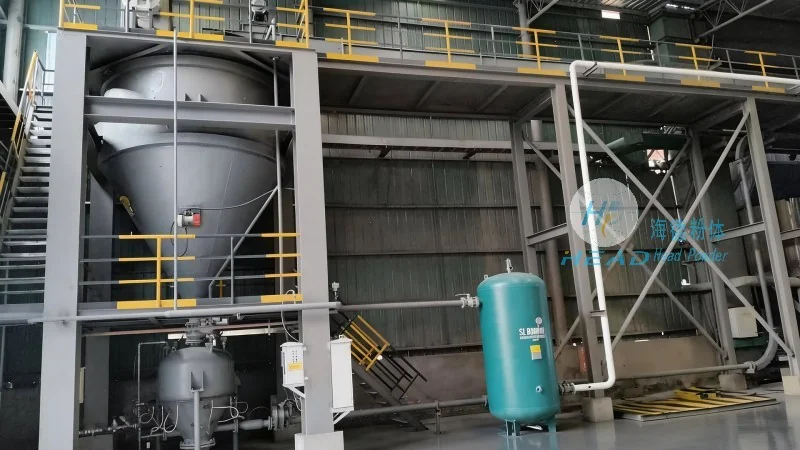
Dry coffee material conveying systems typically operate based on mechanical or pneumatic principles to move coffee beans, grounds, or other dry coffee components from one processing stage to another. The core mechanism involves the use of conveyor belts, screws, or air pressure to transport the material. In mechanical systems, components like augers or belt conveyors use rotational motion to move the coffee through the system. For example, an auger conveyor, which is a long, screw-shaped device, rotates to push the coffee forward. This method is particularly effective for handling bulk dry coffee materials and maintaining a consistent flow rate. Pneumatic conveying systems, on the other hand, utilize air pressure to transport the coffee in a closed pipeline. The coffee is suspended in the air stream and carried to the destination. This approach is often used for fine coffee powders or when a dust-free environment is required. The choice between mechanical and pneumatic systems depends on the specific characteristics of the coffee material, such as its size, moisture content, and density.
Key Features of Dry Coffee Material Conveying Systems
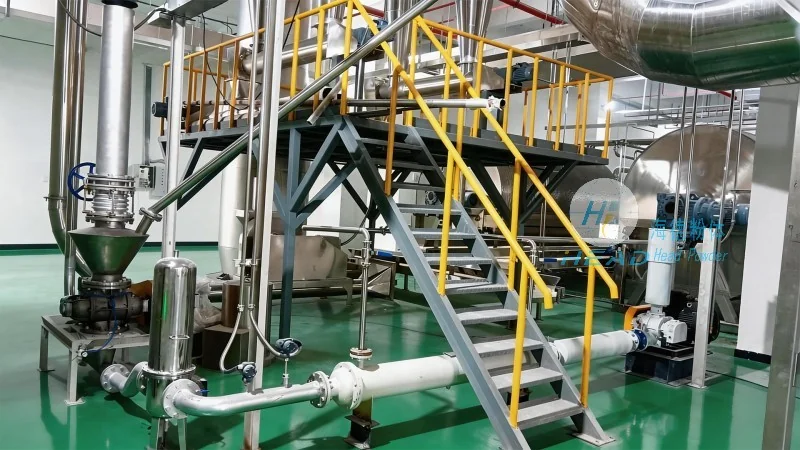
Effective dry coffee material conveying systems exhibit several important features that enhance their performance and reliability. One notable feature is the ability to handle a wide range of coffee material types, from whole coffee beans to finely ground coffee. This versatility is crucial for processing facilities that produce various coffee products. The systems are also designed to maintain the quality of the coffee by minimizing exposure to moisture, heat, or contaminants. For instance, some conveyor systems are equipped with enclosed structures to prevent dust and moisture from entering, which helps preserve the flavor and aroma of the coffee. Another key feature is the adjustable speed and capacity control. Operators can modify the conveyor speed or the amount of material being transported to match production demands. This flexibility allows for efficient handling during different stages of the coffee processing, such as during sorting, roasting, or packaging. Additionally, modern conveying systems often incorporate monitoring and control technologies, such as sensors and automated controls, to ensure consistent operation and detect any issues in real-time. These features contribute to improved productivity and reduced downtime in coffee processing operations.
Application and Benefits in Coffee Processing
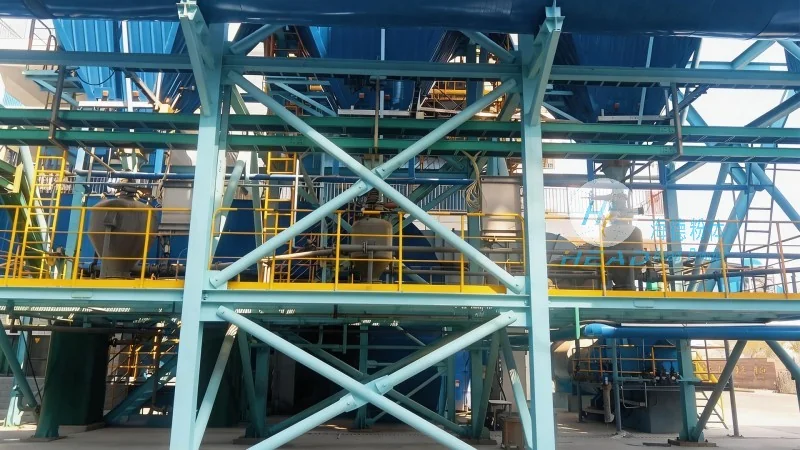
Dry coffee material conveying systems play a vital role in the overall coffee production process. They are commonly used in stages such as raw material handling, sorting, roasting, and packaging. By efficiently moving coffee materials through these stages, the systems help streamline the production workflow and reduce manual labor. The benefits of using these systems extend beyond operational efficiency. For example, consistent material transport ensures that the coffee is processed uniformly, leading to better product quality and consistency. Moreover, the ability to handle different coffee types allows manufacturers to diversify their product lines without significant changes to the conveying equipment. In terms of maintenance, modern conveying systems are designed for easy cleaning and maintenance, which helps maintain hygiene standards in coffee processing facilities. Overall, the use of dry coffee material conveying systems contributes to cost savings and improved productivity in the coffee industry.
Conclusion
In conclusion, dry coffee material conveying systems are essential components of modern coffee processing facilities. Their working principles, which may involve mechanical or pneumatic mechanisms, are tailored to handle the unique characteristics of coffee materials. The key features, including versatility, quality preservation, and adjustable capacity, make these systems highly effective for various coffee processing applications. As a leading provider in the industry, Shandong HeadPowder Engineering Co., Ltd. offers advanced conveying solutions that meet the specific needs of coffee manufacturers. By understanding and implementing these systems, coffee processing facilities can enhance their operational efficiency and maintain high product quality.