

Working Principle and Features of Styrene Material Handling
Styrene is a crucial chemical raw material widely used in the production of polystyrene, synthetic rubber, and other polymer products. Efficient and reliable material handling of styrene is essential for industrial processes to ensure smooth production and maintain product quality. This article explores the working principles and key features of styrene material handling systems, providing insights into how these systems operate and their advantages in industrial applications.
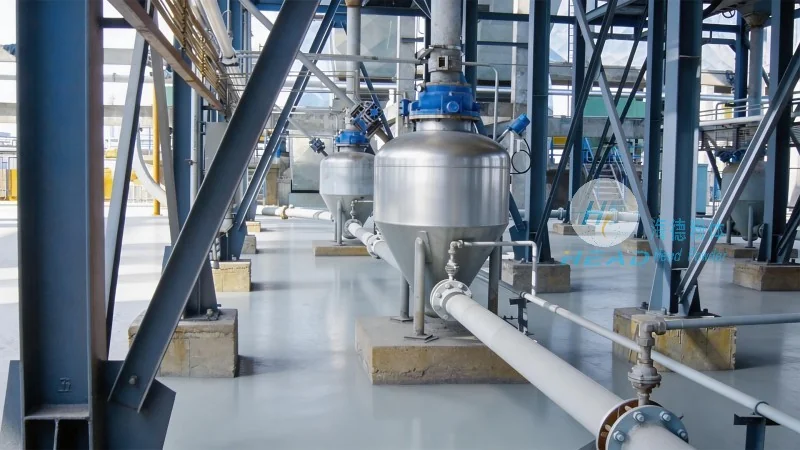
Working Principle of Styrene Material Handling
The working principle of styrene material handling typically involves several key components and processes designed to safely and effectively transport styrene from storage to processing units. The process generally starts with the storage of styrene in specialized tanks or containers, which are equipped with safety features such as pressure relief valves and temperature monitoring systems to prevent over-pressurization and ensure safe handling. From the storage tanks, styrene is transferred to the processing area through pipelines or hoses, often using pumps or gravity feed systems depending on the specific application and layout of the facility.
During the transfer process, the system may include filtration and degassing steps to remove impurities and air bubbles, which can affect the quality of the final product. For example, in the production of polystyrene, the purity of styrene is critical, and any contaminants can lead to defects in the polymer. Therefore, advanced filtration systems, such as activated carbon filters or membrane filters, are often employed to ensure the material meets the required specifications. Additionally, temperature control is a critical aspect of styrene handling, as styrene is a volatile liquid with a boiling point of around 145°C at standard pressure. Maintaining the temperature within a specific range is essential to prevent vaporization and ensure safe transport. Heating or cooling systems are integrated into the pipeline to regulate the temperature as needed, ensuring the material remains in a liquid state and flows smoothly through the system.
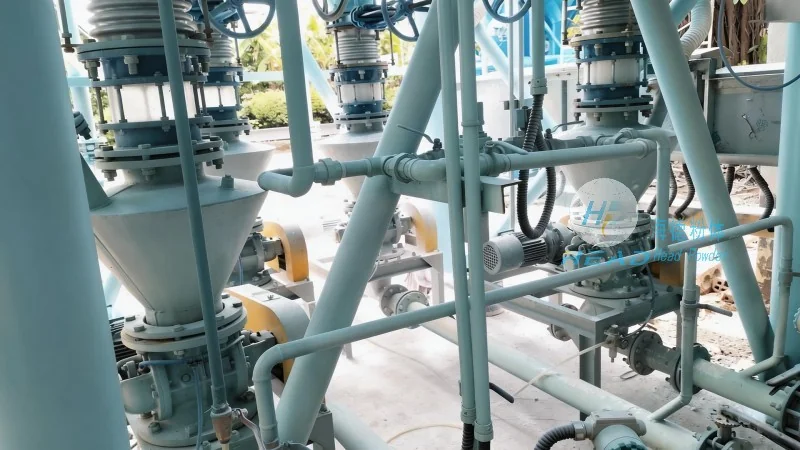
Key Features of Styrene Material Handling Systems
Styrene material handling systems are designed with several key features to enhance efficiency, safety, and reliability. One of the primary features is the use of specialized equipment tailored to the properties of styrene, such as corrosion-resistant materials like stainless steel or special alloys, which can withstand the chemical and thermal stresses associated with styrene handling. These materials prevent contamination and ensure the longevity of the equipment. Another important feature is the integration of safety systems, including pressure relief valves, emergency shut-off valves, and fire suppression systems, to mitigate risks and protect personnel and equipment from potential hazards. For instance, in the event of a pressure surge or fire, the emergency shut-off valves can quickly isolate the system, preventing further damage.
Automation and control systems are also a critical feature of modern styrene material handling systems. These systems use sensors and control panels to monitor parameters such as temperature, pressure, and flow rate in real-time. This allows operators to adjust the system settings as needed to maintain optimal conditions. Additionally, the systems may include alarms and notifications to alert personnel of any deviations from normal operating conditions, enabling timely intervention and preventing potential issues from escalating. The use of automation not only improves efficiency but also reduces the risk of human error, which is particularly important in handling hazardous materials like styrene.
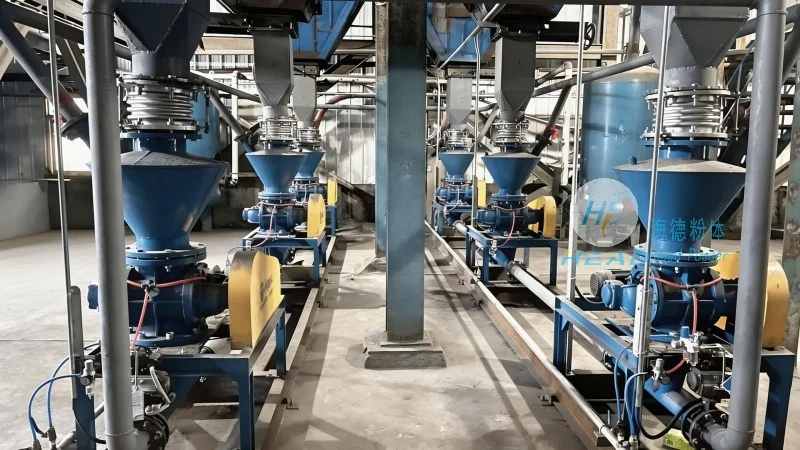
Another key feature is the flexibility and adaptability of the system. Modern styrene material handling systems are designed to accommodate different production volumes and process requirements. For example, the system may include variable speed pumps or adjustable flow control valves to regulate the flow rate of styrene as production needs change. This flexibility allows the system to be integrated into various production lines and adapt to different applications, such as batch processing or continuous production. The modular design of the system also facilitates maintenance and repair, as individual components can be replaced or serviced without disrupting the entire operation.
About Shandong HeadPowder Engineering Co., Ltd.
Shandong HeadPowder Engineering Co., Ltd., commonly known as HeadPowder, is a leading provider of specialized engineering solutions for material handling and processing in the chemical industry. With a focus on innovation and customer satisfaction, HeadPowder has established itself as a trusted partner for companies dealing with hazardous and high-value materials like styrene. The company is headquartered in Shandong, China, and offers a range of services including system design, installation, and maintenance for material handling systems. HeadPowder's expertise in chemical engineering and process automation ensures that their solutions are tailored to meet the specific needs of each client, providing reliable and efficient material handling solutions that enhance production efficiency and safety.