

Working Principle and Features of Sodium Chloride Material Handling
For industrial applications, the efficient and safe handling of sodium chloride (common salt) is crucial. This article explores the working principles and key features of sodium chloride material handling systems, highlighting how they ensure optimal performance in various operational contexts.
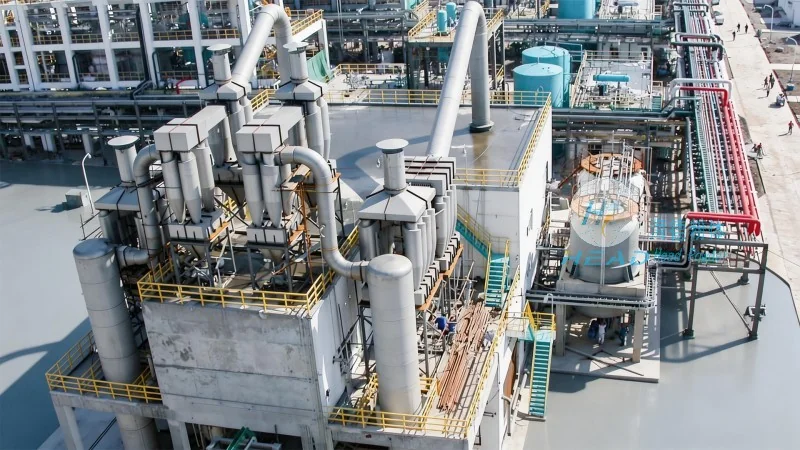
Introduction to Sodium Chloride Material Handling
Sodium chloride is widely used in industries such as chemical manufacturing, food processing, and water treatment. The material handling process involves the transport, storage, and distribution of sodium chloride, often requiring specialized equipment to manage its physical properties, like bulk density and flow characteristics. Understanding the working principles and features of these systems is essential for optimizing operational efficiency and ensuring compliance with safety standards.
Working Principle of Sodium Chloride Material Handling Systems
The core working principle of sodium chloride material handling systems revolves around the integration of mechanical and control technologies to facilitate the movement of bulk sodium chloride. These systems typically consist of components like conveyors, feeders, storage silos, and control panels, all working in tandem to ensure smooth material flow. The process generally begins with the storage of raw sodium chloride in bulk storage silos, where it is held under controlled conditions to prevent caking or moisture absorption. From the silos, the material is transferred to the processing or packaging areas via conveyor belts, screw conveyors, or pneumatic systems, depending on the specific requirements of the application.
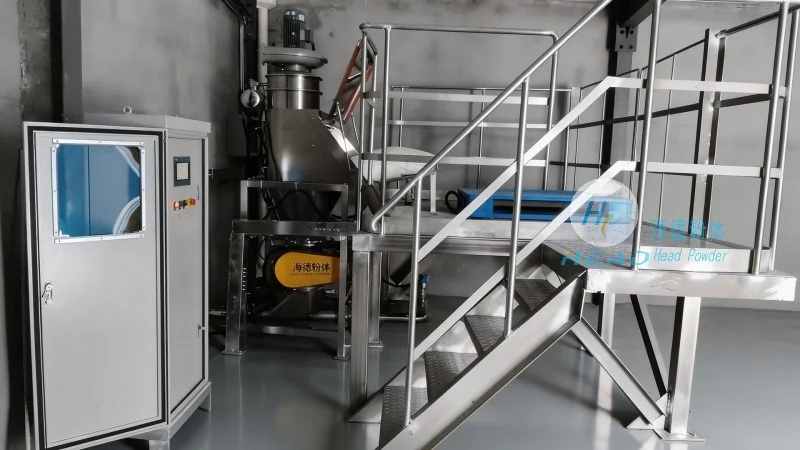
Conveyor systems are a fundamental part of sodium chloride material handling, as they provide reliable and continuous transport of bulk material over long distances. Screw conveyors, for instance, use rotating screws to move material along a trough, making them ideal for horizontal or slight incline transport. Belt conveyors, on the other hand, offer high capacity and are suitable for both horizontal and inclined transport, often equipped with idlers and tensioning mechanisms to maintain consistent operation. Pneumatic conveying systems use air pressure to transport sodium chloride in a closed pipeline, which is particularly effective for handling fine or dusty materials and minimizing dust exposure.
Key Features of Sodium Chloride Material Handling Systems
Modern sodium chloride material handling systems are characterized by several key features that enhance their performance and reliability. One of the primary features is the ability to handle bulk quantities with high efficiency, ensuring minimal downtime and consistent production rates. The systems are designed to accommodate the varying flow properties of sodium chloride, such as its tendency to agglomerate or form lumps, through features like agitators or vibrators integrated into the storage and conveying equipment.
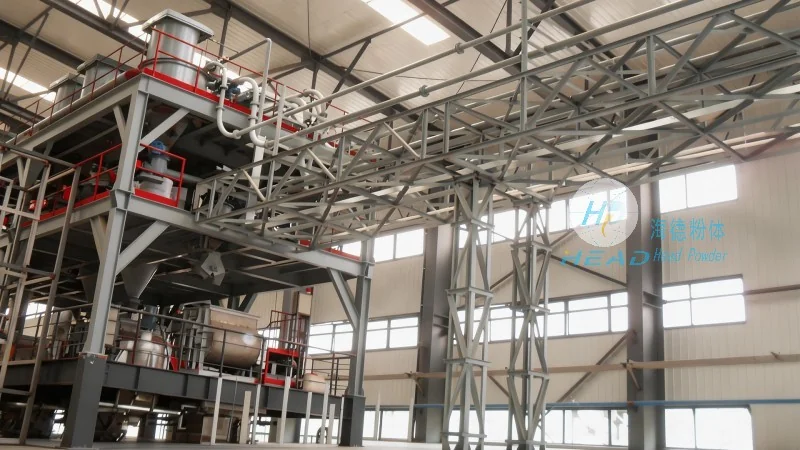
Another important feature is the emphasis on safety and environmental protection. Sodium chloride handling systems often incorporate dust suppression measures, such as enclosed conveyor sections and air filtration systems, to prevent the release of fine particles into the environment. Additionally, the equipment is constructed from materials resistant to corrosion and wear, ensuring long-term durability and reduced maintenance costs. Automation and control systems are also integral to these systems, allowing for real-time monitoring of material levels, flow rates, and operational parameters, which helps in maintaining optimal performance and preventing accidents.
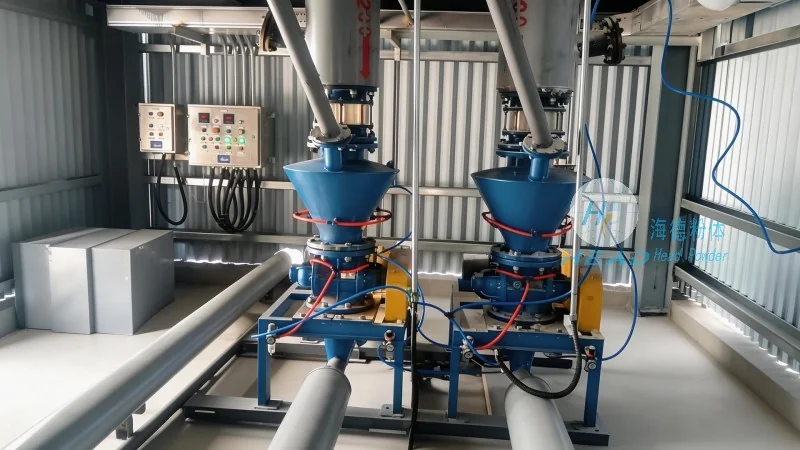
Applications and Operational Benefits
Sodium chloride material handling systems are employed in a wide range of applications, from industrial chemical production to food processing and water treatment. The operational benefits of these systems include improved productivity through consistent material flow, reduced labor costs due to automated processes, and enhanced safety through integrated control and monitoring features. By optimizing the handling of sodium chloride, these systems contribute to the overall efficiency and sustainability of industrial operations.
About Shandong HeadPowder Engineering Co., Ltd.
Shandong HeadPowder Engineering Co., Ltd., operating under the brand name headpowder, is a leading provider of specialized material handling solutions. With a focus on innovation and quality, the company designs and manufactures systems tailored to the unique needs of sodium chloride and other bulk materials. Headpowder's expertise in mechanical engineering and process control ensures that their systems meet the highest standards of performance, safety, and reliability. Based in Shandong, China, the company serves clients globally, delivering customized solutions that enhance operational efficiency and support sustainable industrial practices.