

[W]Working Principle and Characteristics of Hot Dry Ash Material Conveying
Hot dry ash material conveying is a critical process in power plant operations, designed to transport ash from the boiler to disposal or utilization facilities. This technology is essential for maintaining efficient and safe plant operations, ensuring that ash is handled without causing environmental or operational issues. The following sections will explore the working principle and key characteristics of this system, providing a comprehensive understanding of its functionality and benefits.
Company Introduction
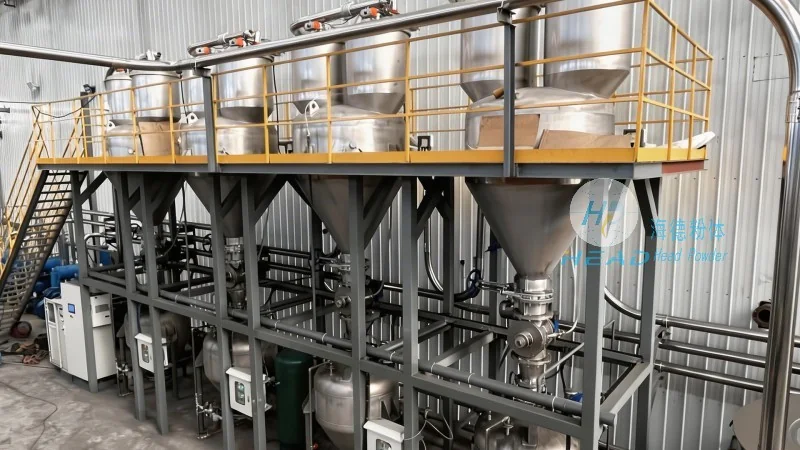
HeadPowder, a leading provider in the field, specializes in engineering solutions for ash handling systems. With a focus on innovation and reliability, Shandong HeadPowder Engineering Co., Ltd. has established itself as a trusted partner for power plants seeking advanced material conveying technologies. The company's headquarters is located in Shandong, China, where its team of engineers and technicians work tirelessly to develop cutting-edge solutions for the industry.
Working Principle of Hot Dry Ash Material Conveying
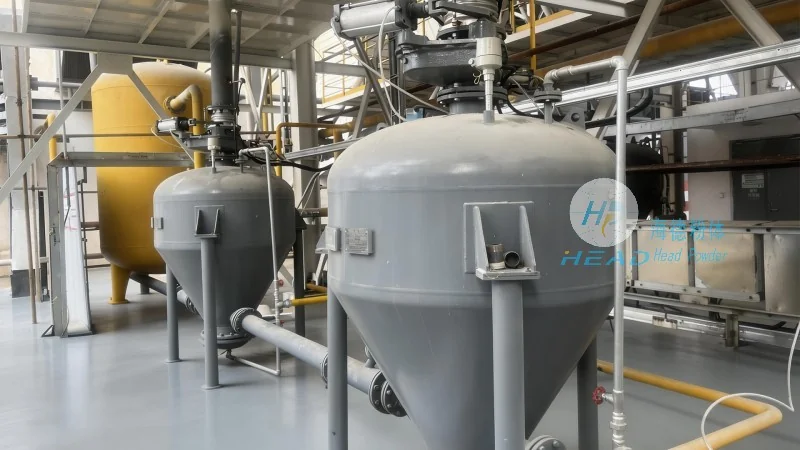
The working principle of hot dry ash material conveying involves several key steps that ensure efficient and safe transport of ash. Initially, ash is collected from the boiler's bottom ash hopper or fly ash collection system. The ash is then heated to a high temperature, typically above 200°C, to maintain its dry state and prevent clumping. This heated ash is then fed into a conveyor system, which may include screw conveyors, pneumatic conveyors, or other specialized equipment designed for handling hot materials. The conveyor system transports the ash through insulated pipelines to the designated disposal or utilization site. The entire process is controlled by a sophisticated control system that monitors temperature, pressure, and flow rates, ensuring that the conveying operation runs smoothly and safely. The system's design minimizes the risk of ash degradation or environmental contamination, making it an environmentally friendly solution for ash management.
Key Characteristics of Hot Dry Ash Material Conveying Systems
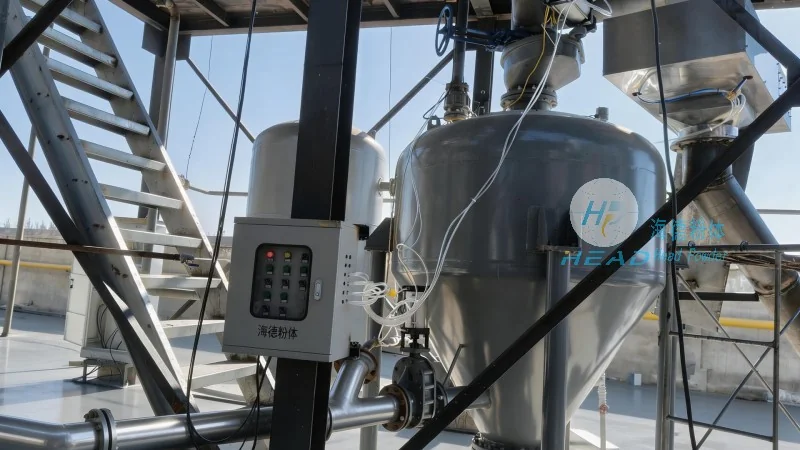
Hot dry ash material conveying systems exhibit several notable characteristics that make them ideal for power plant applications. One of the primary features is their ability to handle ash at high temperatures without causing damage to the equipment. The use of insulated pipelines and specialized conveyor components prevents heat loss and maintains the ash's dryness, which is crucial for preventing clogging and ensuring consistent flow. Another key characteristic is the system's efficiency in terms of energy consumption and operational costs. By minimizing the need for additional heating or cooling, the system reduces energy waste and lowers the overall operational expenses for the plant. Additionally, the system's design emphasizes safety, with features such as pressure relief valves, temperature sensors, and automatic shutdown mechanisms that protect both personnel and equipment from potential hazards. The reliability of these systems is also a significant advantage, as they are built to withstand the harsh conditions of ash handling, ensuring long-term performance and minimal downtime. Furthermore, the flexibility of the system allows for easy integration with existing plant infrastructure, making it a cost-effective solution for upgrading or replacing older ash handling systems.
Advantages and Applications
Hot dry ash material conveying systems offer numerous advantages that make them a preferred choice for power plants. The primary advantage is their ability to handle both bottom ash and fly ash, providing a comprehensive solution for ash management. This versatility allows plants to efficiently manage all types of ash, reducing the need for multiple handling systems. Another advantage is the system's environmental benefits, as it minimizes the release of dust and emissions during the conveying process. The use of sealed pipelines and advanced filtration systems ensures that the ash is transported without contaminating the surrounding environment. The system's compact design also makes it suitable for plants with limited space, allowing for efficient use of available area. In terms of applications, hot dry ash material conveying is widely used in thermal power plants, where it is essential for transporting ash from the boiler to disposal sites or for utilization in other industrial processes. The system's adaptability also makes it suitable for other industries that generate dry ash, such as cement plants or industrial facilities with similar waste management needs.
Conclusion
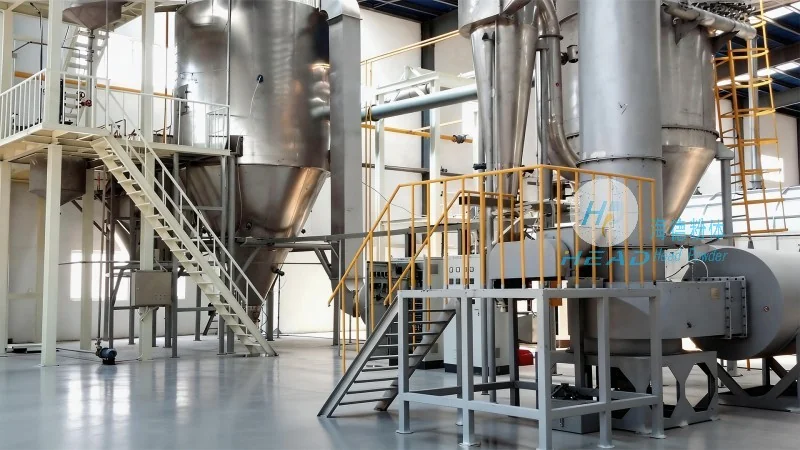
In conclusion, hot dry ash material conveying is a sophisticated and essential technology for power plant operations. The working principle, which involves heating and transporting ash through specialized equipment, ensures efficient and safe handling of ash. The key characteristics of these systems, including their ability to handle high temperatures, energy efficiency, and safety features, make them a reliable choice for ash management. HeadPowder, with its expertise and commitment to quality, provides top-tier solutions for hot dry ash material conveying, helping power plants maintain optimal performance while minimizing environmental impact. As the demand for efficient ash handling increases, the importance of these systems will only grow, making them a critical component of modern power plant operations.