

Working Principle and Characteristics of Coal Granular Material Conveying
Coal granular material conveying systems are essential in various industrial applications, particularly in the mining, power generation, and material handling sectors. These systems are designed to transport coal and other granular materials efficiently and reliably from one location to another. Understanding the working principle and key characteristics of such systems is crucial for optimizing operational performance and ensuring safety in industrial settings.
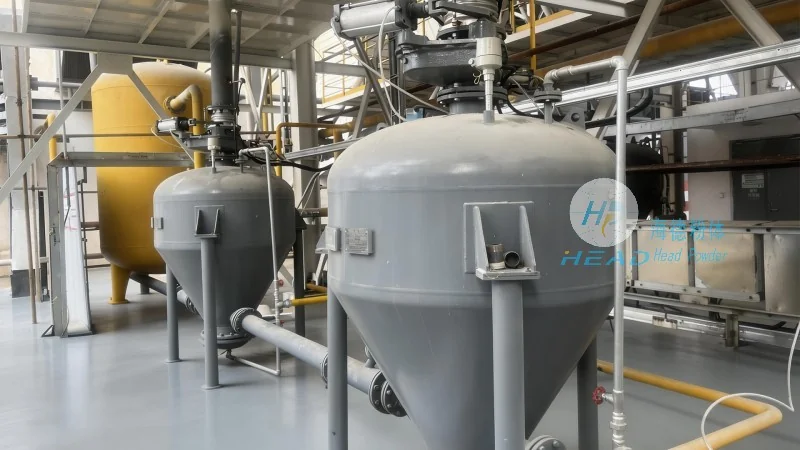
Working Principle of Coal Granular Material Conveying
The core working principle of coal granular material conveying systems revolves around the use of mechanical components to move coal particles through a designated path. Typically, these systems employ conveyor belts, screw conveyors, or pneumatic conveying methods to facilitate material transport. For instance, belt conveyors utilize a continuous belt that moves over rollers or pulleys, with coal placed on the belt and carried to the destination. Screw conveyors, on the other hand, use a rotating screw mechanism to push coal forward through a trough. Pneumatic conveying systems employ air pressure to transport coal particles through a pipeline, often using positive or negative pressure to move the material.
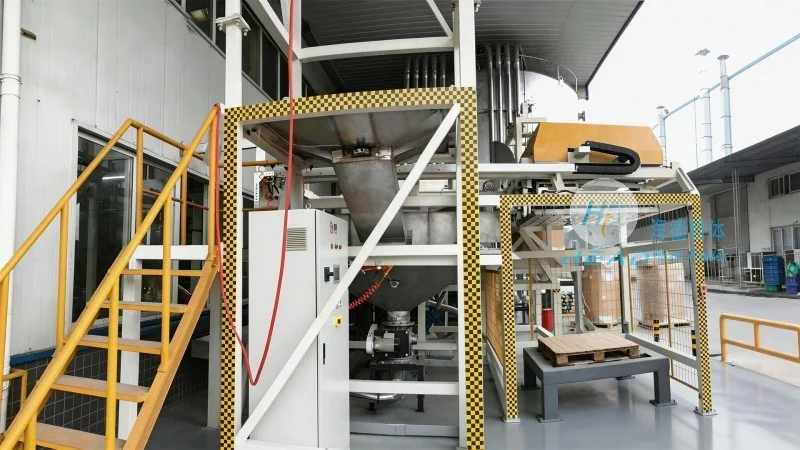
Key Characteristics of Coal Granular Material Conveying Systems
Several key characteristics define the performance and suitability of coal granular material conveying systems. Firstly, the efficiency of material transport is a critical factor, as it directly impacts production throughput and operational costs. Systems with high conveyor capacity and low energy consumption are preferred in industrial applications. Secondly, the durability and reliability of the conveying equipment are essential, especially when handling abrasive coal particles that can cause wear and tear on components. Materials such as stainless steel or high-strength alloys are often used in the construction of conveyor components to enhance longevity. Thirdly, the flexibility of the system is important, allowing for adjustments in conveyor length, inclination, and material flow rate to accommodate varying production demands. Additionally, safety features, such as emergency stop mechanisms and protective guards, are integral to preventing accidents and ensuring worker safety during operation.
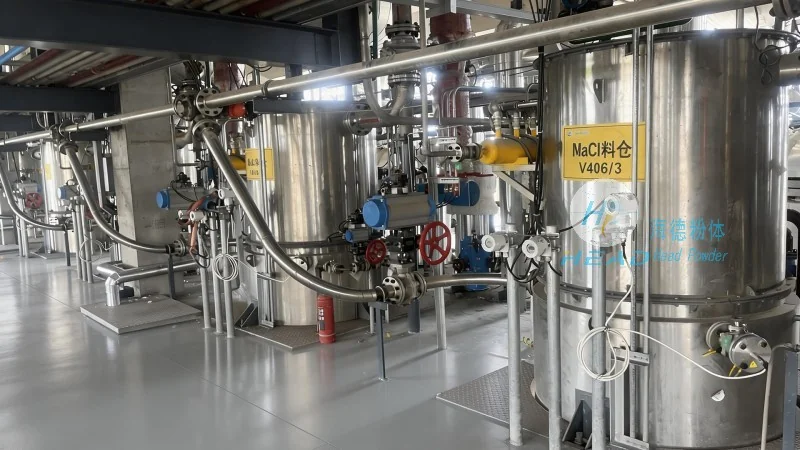
Application Scenarios and Operational Considerations
Coal granular material conveying systems are widely used in coal mining operations, where they transport extracted coal from mines to processing facilities or storage areas. In power plants, these systems are employed to deliver coal to boilers for combustion, ensuring a steady supply of fuel. The design of the conveying system must consider factors such as the size and moisture content of the coal particles, as these can affect the efficiency of transport. For example, wet or sticky coal may require additional equipment, such as dryers or agitators, to prevent blockages in the conveyor system. Moreover, the environmental impact of the conveying process should be considered, with measures like dust suppression systems to minimize air pollution and maintain compliance with environmental regulations.
Advantages and Limitations of Different Conveying Methods
Different conveying methods offer distinct advantages and limitations, making the selection of the appropriate system dependent on specific operational requirements. Belt conveyors are known for their high capacity and ability to transport coal over long distances, but they may require more maintenance due to the wear on the belt and pulleys. Screw conveyors are compact and suitable for vertical or horizontal transport, but they have lower capacity compared to belt conveyors and can be prone to clogging with wet or sticky coal. Pneumatic conveying systems are flexible and can transport coal in a closed environment, reducing dust exposure, but they may have higher energy costs and require careful management of air pressure to prevent system failures.
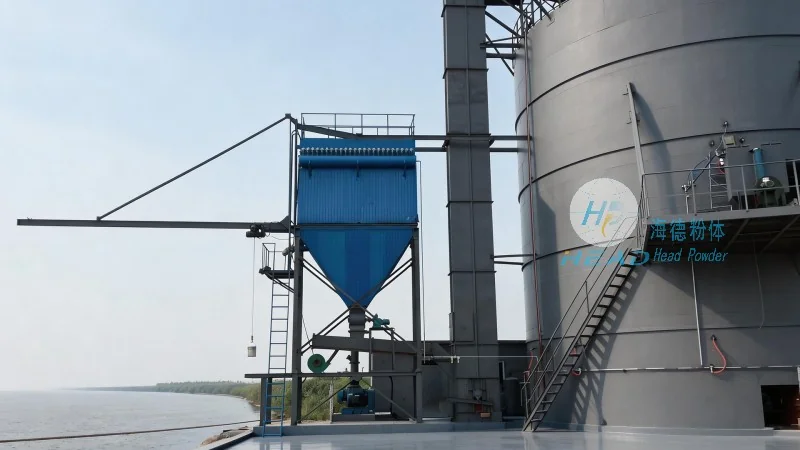
Conclusion and Company Overview
Coal granular material conveying systems play a vital role in the efficient handling and transport of coal in industrial applications. By understanding the working principles and characteristics of these systems, industries can optimize their operations, reduce costs, and enhance safety. Shandong HeadPowder Engineering Co., Ltd., a leading provider in this field, specializes in designing and manufacturing high-quality conveying solutions tailored to the specific needs of coal handling operations. With a strong commitment to quality and innovation, HeadPowder ensures that its systems meet the highest standards of performance and reliability, contributing to the smooth operation of coal-related industrial processes. Based in Shandong, China, HeadPowder leverages its expertise and local resources to deliver comprehensive solutions that address the diverse challenges faced by coal industry stakeholders.