

Working Principle and Features of Long-Distance Pneumatic Conveying Equipment
Shandong HeadPowder Engineering Co., Ltd., commonly known as HeadPowder, is a professional manufacturer and supplier of long-distance pneumatic conveying equipment based in Shandong, China. The company specializes in providing advanced solutions for material handling and transportation, particularly in the field of pneumatic conveying systems. With years of experience and technical expertise, HeadPowder has developed a range of high-quality long-distance pneumatic conveying machines tailored to meet diverse industrial needs.
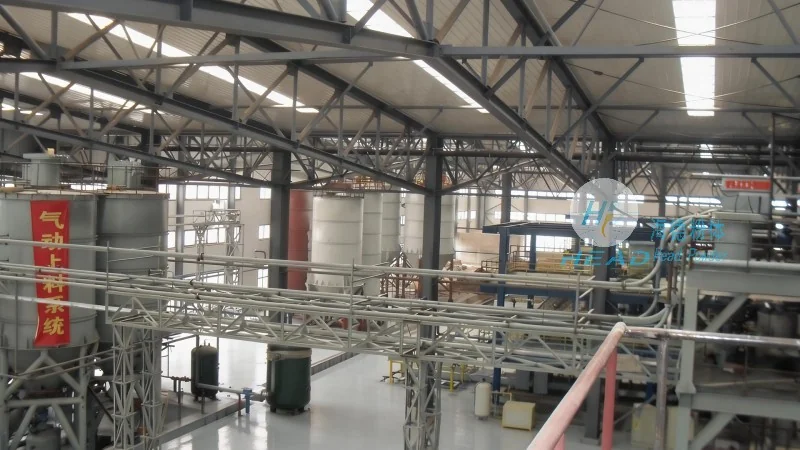
Understanding the Working Principle of Long-Distance Pneumatic Conveying Equipment
The core working principle of long-distance pneumatic conveying equipment involves the use of compressed air or other gases to transport bulk materials through a pipeline system. This method, known as pneumatic conveying, operates by creating a flow of air that carries the material particles from the source to the destination. The process typically includes several key components and steps that work in coordination to ensure efficient material transfer.
First, the material is fed into the system through an inlet or hopper. This is often equipped with a feeder or valve to control the flow rate of the material. Simultaneously, a compressed air source, such as an air compressor, generates the necessary pressure to drive the material along the pipeline. The air and material are then mixed in a conveying line, which can be either positive or negative pressure systems depending on the application requirements.
In a positive pressure system, air is blown into the pipeline, pushing the material forward. This is suitable for short to medium distances and for materials that are less abrasive. Conversely, a negative pressure system draws air and material from the pipeline, which is ideal for longer distances and for handling dusty or fine powders, as it helps to contain dust and reduce emissions. The conveying line itself is usually made of durable materials like stainless steel or plastic, designed to withstand the pressure and wear from the material and air flow.
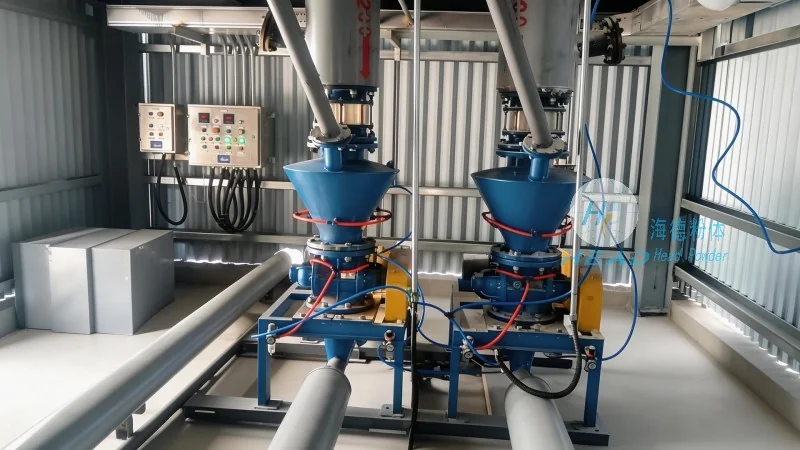
As the material travels through the pipeline, it may encounter various components such as bends, elbows, or expansion joints that help to direct the flow and maintain the material's trajectory. At the end of the conveying line, a separation or collection unit is used to separate the material from the air. This unit may include a cyclone separator, a filter, or a baghouse, depending on the material's properties and the required level of air purification. The separated material is then discharged into a storage bin or processing equipment, while the clean air is either vented to the atmosphere or recirculated back into the system.
Key Features and Advantages of Long-Distance Pneumatic Conveying Equipment
Long-distance pneumatic conveying equipment offers several distinct features and advantages that make it a preferred choice in many industrial applications. One of the most significant benefits is its high efficiency in material transportation. Unlike traditional methods like belt conveyors or bucket elevators, pneumatic systems can handle a wide range of materials, including fine powders, granules, and even bulk solids, with minimal loss and contamination.
The system's adaptability is another notable feature. Long-distance pneumatic conveying can be configured for various distances, from short horizontal or vertical runs to multi-level or cross-country installations, making it suitable for complex production layouts. The ability to integrate with existing facilities and adapt to different material types and processing requirements enhances its versatility.
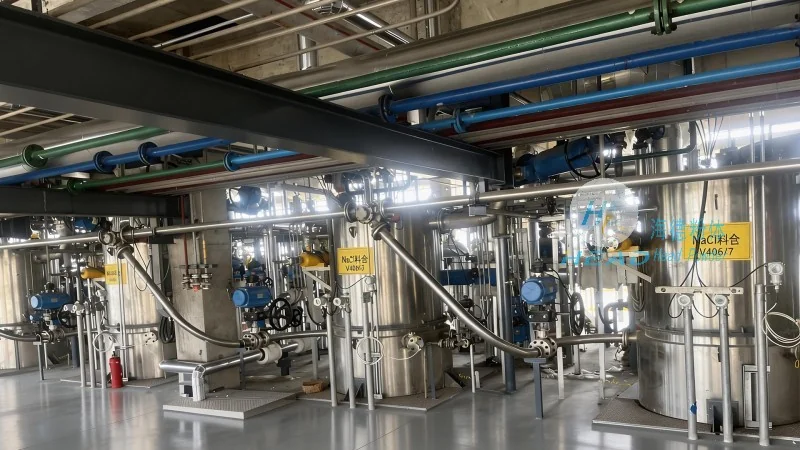
Environmental considerations are also a key feature of these systems. Pneumatic conveying is generally considered a clean and dust-free method, as the material is contained within the pipeline, reducing the risk of dust exposure and environmental pollution. This is particularly important in industries such as food, pharmaceuticals, and chemical processing, where hygiene and safety are paramount. Additionally, modern pneumatic systems can incorporate dust collection and filtration systems to further minimize emissions and ensure compliance with environmental regulations.
From a maintenance perspective, long-distance pneumatic conveying equipment is designed for durability and ease of maintenance. The components, such as the air compressor, feeder, and separation unit, are built with robust materials and advanced engineering to withstand the demands of continuous operation. Regular maintenance, including filter changes, air pressure checks, and component inspections, ensures optimal performance and longevity of the system. This reduces downtime and operational costs, making it a cost-effective solution for long-term material handling needs.
Applications and Industries Served by Long-Distance Pneumatic Conveying Equipment
Long-distance pneumatic conveying equipment is widely used across various industries due to its versatility and efficiency. In the food and beverage industry, it is commonly employed for transporting ingredients like flour, sugar, and spices, ensuring hygiene and preventing cross-contamination. The pharmaceutical industry utilizes these systems for handling active pharmaceutical ingredients (APIs) and other sensitive materials, where dust control and product purity are critical.
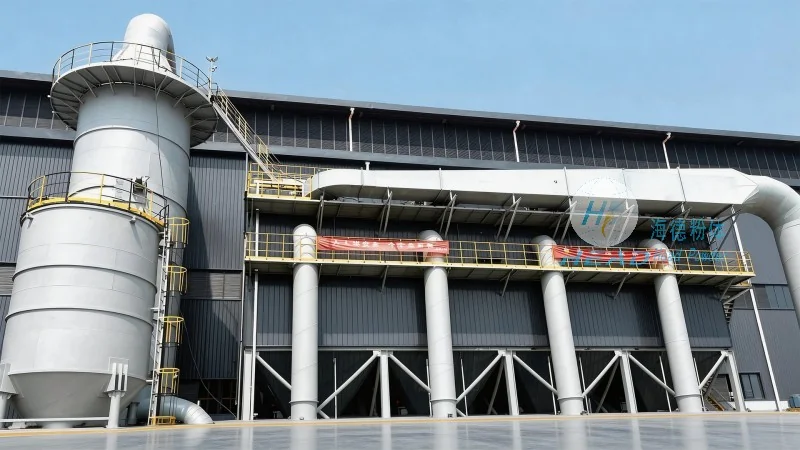
In the chemical and petrochemical sectors, pneumatic conveying is used to transport powders, granules, and bulk chemicals, often in hazardous environments. The ability to handle abrasive and corrosive materials with specialized equipment makes it suitable for these applications. The mining and mineral processing industry also benefits from long-distance pneumatic conveying for transporting ores, minerals, and tailings over long distances with minimal environmental impact.
Other industries, including agriculture, construction, and recycling, also rely on pneumatic conveying systems for material handling. For example, in agriculture, it can be used to transport grain, feed, or fertilizers from storage to processing facilities. In construction, it helps in transporting cement, sand, and other building materials to different parts of a site. The recycling industry uses pneumatic systems to convey recyclable materials like plastic, paper, and metal from collection points to processing plants.
Conclusion and Company Expertise
Long-distance pneumatic conveying equipment represents a sophisticated and efficient solution for material transportation in modern industrial settings. Its ability to handle a wide range of materials, operate over long distances, and maintain high levels of cleanliness and safety makes it an indispensable component in many production processes. Shandong HeadPowder Engineering Co., Ltd. stands as a leading provider in this field, offering customized solutions that meet the specific requirements of each client. With a commitment to quality, innovation, and customer satisfaction, HeadPowder continues to advance the technology of pneumatic conveying, ensuring reliable and efficient material handling for industries worldwide.