

Working Principle and Features of Automatic Pneumatic Conveying Equipment
Automatic pneumatic conveying equipment, also known as pneumatic transport systems, is a technology used to transport bulk materials through a pipeline using air pressure. This equipment is widely applied in various industries such as food, chemical, pharmaceutical, and cement, offering an efficient and flexible solution for material handling.
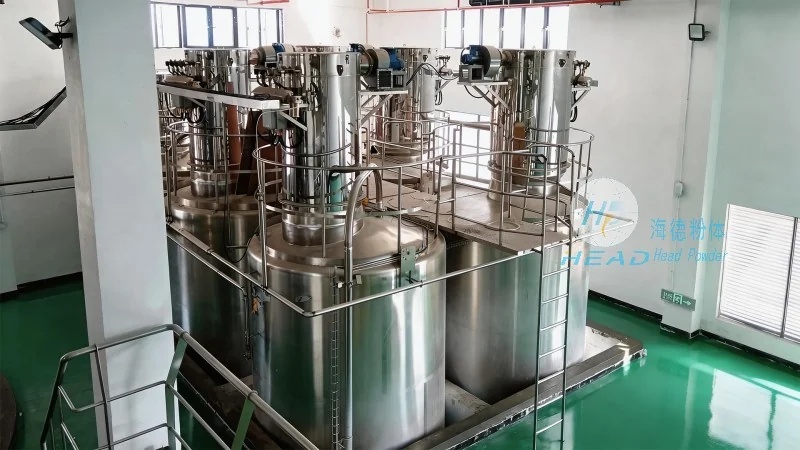
Working Principle of Automatic Pneumatic Conveying Equipment
The core working principle of automatic pneumatic conveying equipment is based on the air flow generated by a blower or compressor. The system typically consists of a material hopper, a conveying pipeline, a control valve, and a dust collector. When the blower starts, it creates a negative pressure or positive pressure inside the pipeline, which then draws or pushes the material from the hopper into the pipeline. The material is then transported to the destination through the pipeline under the action of air flow. The system can be divided into two main types: negative pressure conveying (also known as suction conveying) and positive pressure conveying (also known as pressure conveying). Negative pressure conveying is suitable for short-distance and low-concentration material transport, while positive pressure conveying is suitable for long-distance and high-concentration material transport. The selection of the conveying type depends on the specific material properties, transport distance, and system requirements.
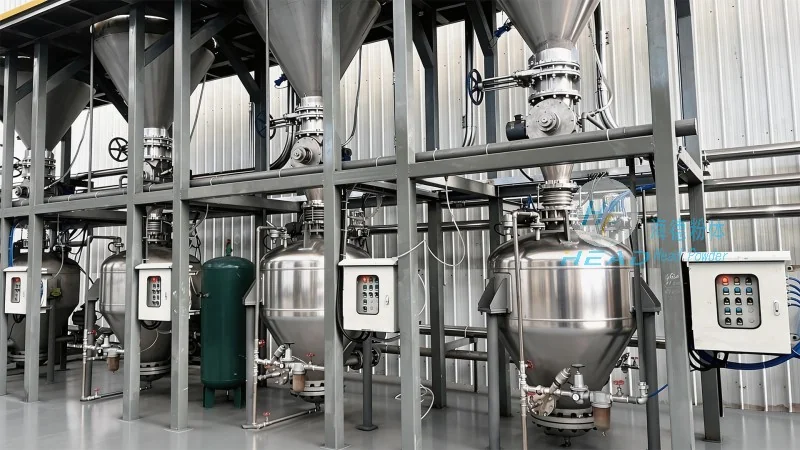
Key Features of Automatic Pneumatic Conveying Equipment
Automatic pneumatic conveying equipment has many advantages in material handling. First, it is highly efficient, as it can transport materials continuously and in large quantities. Second, it is flexible, as the pipeline can be arranged according to the layout of the production site. Third, it is clean and hygienic, as the material is not in direct contact with the environment, reducing the risk of contamination. Fourth, it is energy-saving, as the system can be adjusted to the optimal air flow and pressure according to the material characteristics. Fifth, it is low-maintenance, as the components are simple and the system is easy to operate and maintain. These features make automatic pneumatic conveying equipment an ideal choice for modern industrial production.
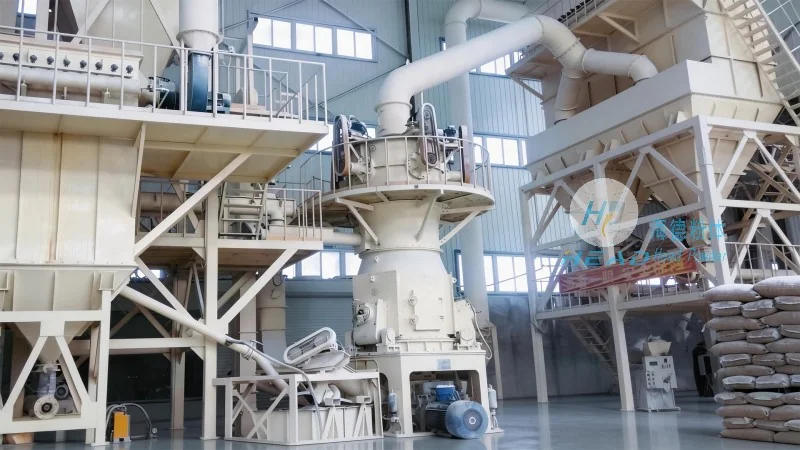
Applications and Benefits in Different Industries
Automatic pneumatic conveying equipment is widely used in various industries. In the food industry, it is used to transport powders such as flour, sugar, and milk powder, ensuring hygiene and preventing cross-contamination. In the chemical industry, it is used to transport chemicals and raw materials, reducing the risk of explosion and fire. In the pharmaceutical industry, it is used to transport active ingredients and excipients, ensuring the purity and stability of the products. In the cement industry, it is used to transport cement and other raw materials, improving the production efficiency and reducing the labor cost. The benefits of using automatic pneumatic conveying equipment in these industries include increased production efficiency, reduced labor cost, improved product quality, and enhanced safety.
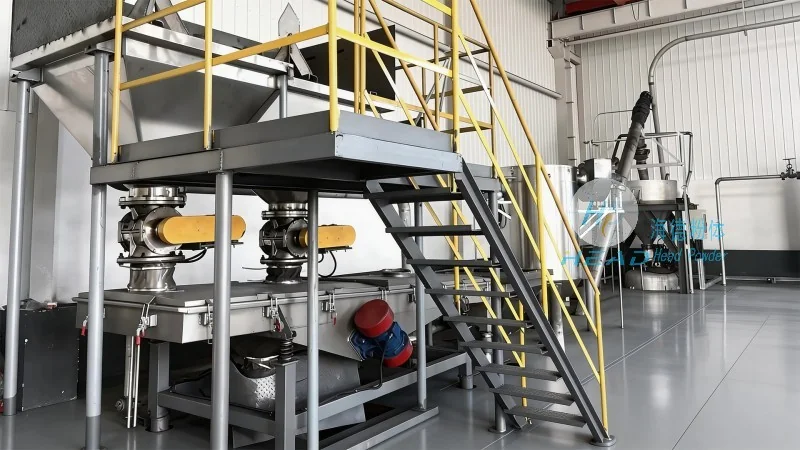
Company Introduction: Shandong HeadPowder Engineering Co., Ltd.
Shandong HeadPowder Engineering Co., Ltd., commonly known as HeadPowder, is a professional manufacturer and supplier of pneumatic conveying equipment. The company is located in Shandong, China, and has been committed to providing high-quality and reliable equipment for customers worldwide. HeadPowder has a strong R&D team and advanced production equipment, ensuring the quality and performance of its products. The company offers a wide range of pneumatic conveying systems, including automatic pneumatic conveying equipment, and provides customized solutions according to the specific needs of customers. HeadPowder's products are widely used in various industries and have gained a good reputation among customers. The company is committed to continuous innovation and improvement, aiming to become a leading brand in the pneumatic conveying industry.