

What is a Carbon Material Pneumatic Conveying Machine? What is its Design Principle?
For industrial applications involving the handling of carbon-based materials, efficient and reliable material transport is crucial. A carbon material pneumatic conveying machine is a specialized piece of equipment designed to transport bulk carbon materials through a pipeline using air or other gas as the conveying medium. This technology offers a solution for moving materials like carbon black, graphite, and other carbon compounds in a dust-free and controlled manner, which is essential for maintaining product quality and operational safety in various manufacturing processes.

Design Principles of Pneumatic Conveying Systems
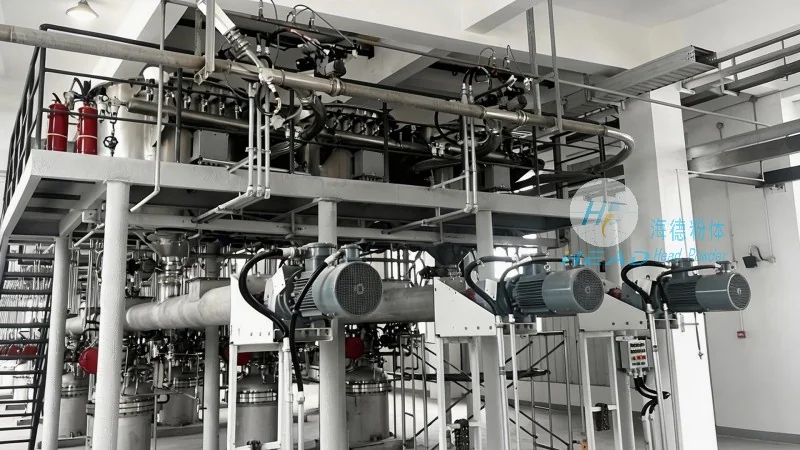
The design of a carbon material pneumatic conveying machine is based on the fundamental principles of fluid dynamics and material handling. The core components include a hopper for material storage, a blower or compressor to generate the conveying air, a pipeline system to transport the material, and a discharge point where the material is released. The system operates by creating a pressure differential between the inlet and outlet of the pipeline, which propels the carbon material particles suspended in the air stream. Key design considerations include the particle size and density of the carbon material, the required conveying distance and capacity, and the need to prevent material degradation or blockages in the system.
Key Components and Their Functions
Each component of the pneumatic conveying machine plays a critical role in ensuring efficient operation. The hopper, typically made of durable materials such as stainless steel or high-density polyethylene, stores the carbon material and provides a consistent feed to the system. The blower or compressor generates the necessary air pressure and volume to move the material through the pipeline. The pipeline itself is designed with smooth, non-clogging surfaces to minimize friction and prevent material buildup. The discharge point, often equipped with a valve or control mechanism, allows for controlled release of the material at the destination. Additionally, some systems may include filters or cyclones to separate the conveying air from the carbon particles, ensuring that the material is delivered in a clean and dry state.
Advantages of Using Pneumatic Conveying for Carbon Materials
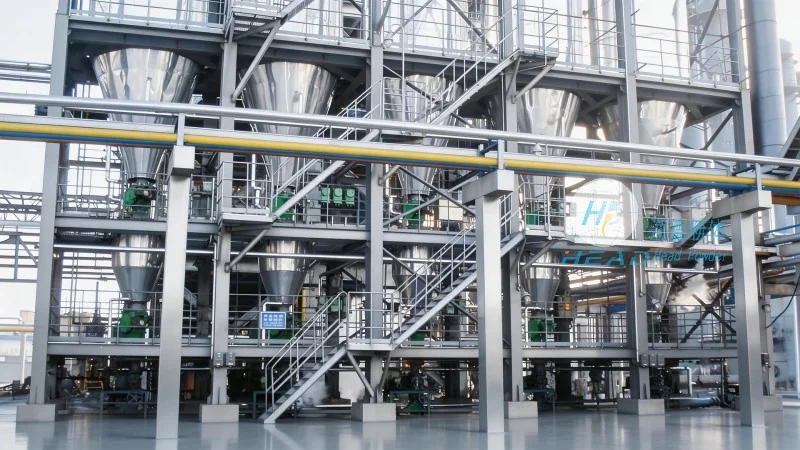
Compared to traditional mechanical conveying methods, pneumatic conveying offers several advantages when handling carbon materials. One of the primary benefits is the ability to transport materials in a dust-free environment, which is particularly important for carbon-based products that are sensitive to contamination. This reduces the risk of product degradation and improves overall product quality. Additionally, pneumatic conveying systems can handle a wide range of particle sizes and densities, making them versatile for various carbon materials. The system also allows for flexible routing of the pipeline, enabling material transport over longer distances or around obstacles without the need for additional infrastructure. Furthermore, the enclosed nature of the system minimizes environmental impact by containing dust and preventing material loss during transport.
Applications in the Carbon Industry
Carbon material pneumatic conveying machines are widely used in various applications within the carbon industry. In the production of carbon black, for example, these systems are used to transport carbon black from storage silos to processing equipment. In graphite processing, they help move graphite powders and flakes from grinding and classification stages to packaging or further processing. Other applications include the handling of activated carbon, carbon fibers, and other specialty carbon products. The ability to handle these materials efficiently and safely makes the pneumatic conveying machine an essential tool in modern carbon manufacturing processes.
Company Information: Shandong HeadPowder Engineering Co., Ltd.
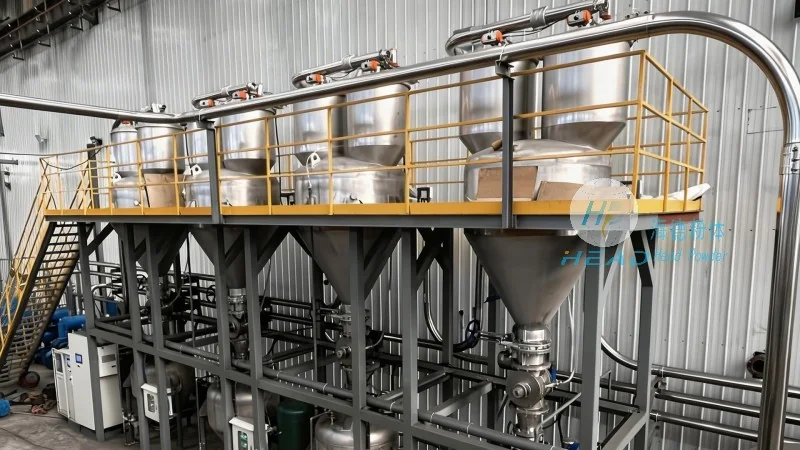
Shandong HeadPowder Engineering Co., Ltd., commonly known as HeadPowder, is a leading manufacturer and supplier of industrial conveying equipment, including carbon material pneumatic conveying machines. With a focus on innovation and quality, the company provides customized solutions tailored to the specific needs of its clients. HeadPowder's products are designed to meet the highest standards of performance and reliability, ensuring efficient and safe material handling in various industrial applications. The company's headquarters is located in Shandong, China, where it operates a state-of-the-art manufacturing facility and research and development center. By combining advanced technology with expert engineering, HeadPowder delivers solutions that enhance productivity and operational efficiency for its customers in the carbon and related industries.