

What is a Paddy Grain Material Pneumatic Conveying Machine? What are its Design Principles?
For those in the agricultural processing industry, understanding the technology behind efficient grain handling is crucial. A key piece of equipment that has revolutionized the way paddy and other grains are transported is the paddy grain material pneumatic conveying machine. This article will explore what this machine is and delve into its fundamental design principles, providing insights into its functionality and importance in modern grain processing operations.
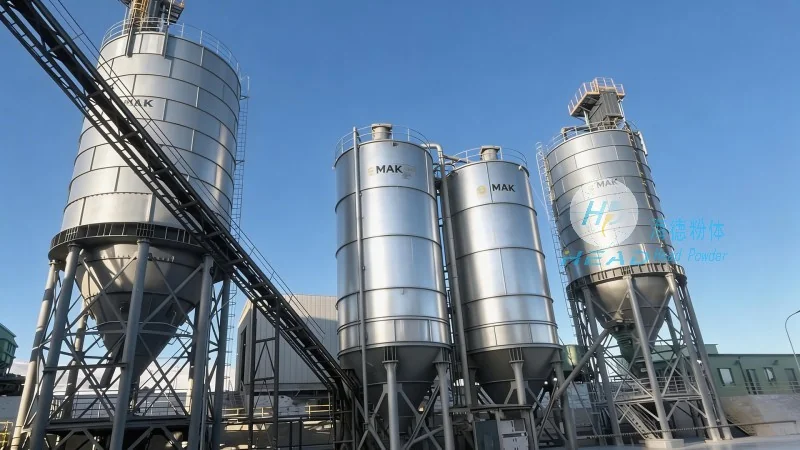
Paddy Grain Material Pneumatic Conveying Machine: An Overview
The paddy grain material pneumatic conveying machine, often referred to as a pneumatic conveyor, is a system designed to transport bulk materials like paddy grains through the use of air pressure or vacuum. Unlike traditional mechanical conveyors that rely on belts or chains, this equipment utilizes air to move the material, making it ideal for applications where dust control, minimal product degradation, and flexible routing are essential. The machine is commonly used in rice mills, grain storage facilities, and agricultural processing plants to move paddy from storage bins to processing units or for distribution to markets.
Key Components and Working Principle
The operation of a paddy grain material pneumatic conveying machine involves several key components that work in tandem to ensure efficient material transport. The primary components include a hopper for material storage, a blower or fan to generate the air flow, a pipeline system to guide the material, and a discharge point where the material is released. The process begins when paddy grains are fed into the hopper. The blower then creates a low-pressure or high-pressure air stream, depending on the system design, which draws the material into the pipeline. As the air and material travel through the pipeline, the material is carried along by the air current. The discharge point, often equipped with a cyclone separator or filter, separates the material from the air, allowing the paddy to be collected in a designated container while the air is either vented or recirculated.
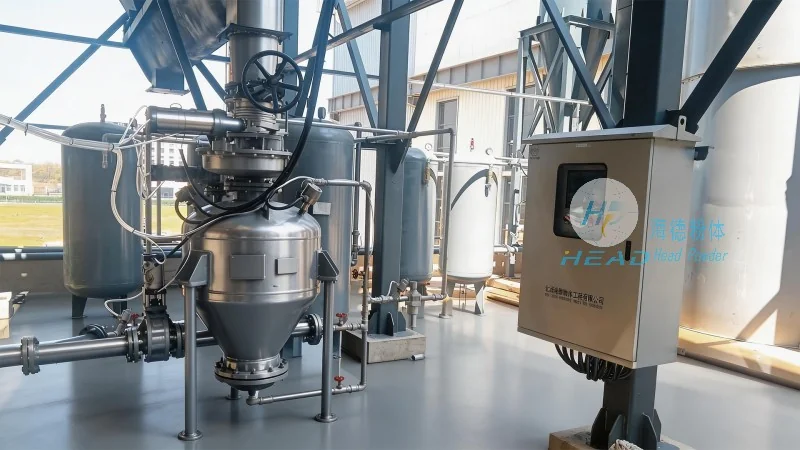
Design Principles for Efficient Paddy Transport
The design of a paddy grain material pneumatic conveying machine is based on several critical principles to ensure optimal performance and minimal energy consumption. One of the fundamental principles is the selection of the appropriate air velocity and pressure. The air velocity must be high enough to overcome the resistance of the material in the pipeline but not so high as to cause excessive wear on the equipment or degrade the paddy quality. The pressure system, whether positive or negative, is chosen based on the distance and height the material needs to be transported. For longer distances or higher elevations, a positive pressure system (where air is blown into the material) is typically used, while a negative pressure system (where air is drawn from the material) is suitable for shorter distances or when the material needs to be drawn from a lower level.
Advantages of Pneumatic Conveying in Paddy Processing
Implementing a paddy grain material pneumatic conveying machine offers numerous advantages over traditional conveyor systems. One of the most significant benefits is the reduction of dust and contamination, as the enclosed pipeline system prevents exposure to the environment. This is particularly important for paddy, which can be prone to moisture absorption and microbial growth if not handled properly. Additionally, pneumatic conveyors allow for flexible routing, enabling the material to be transported around obstacles or to multiple destinations from a single source. The system also minimizes product damage, as the lack of mechanical contact reduces the risk of breakage or bruising, which is critical for maintaining the quality of the grain for further processing or sale.
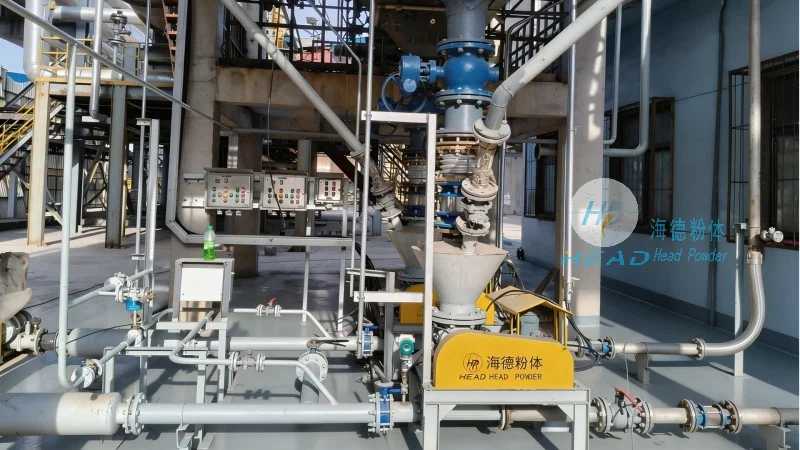
Application in Modern Agricultural Processing
In modern agricultural processing facilities, the paddy grain material pneumatic conveying machine plays a vital role in streamlining operations. It integrates seamlessly with other processing equipment, such as dehusking machines, polishers, and sorters, to form a continuous production line. The efficiency of the pneumatic conveyor ensures that paddy is moved quickly and consistently, reducing downtime and increasing overall productivity. Furthermore, the system's ability to handle large volumes of material makes it suitable for both small-scale and large-scale rice mills, adapting to the varying needs of different agricultural operations.
Conclusion
In conclusion, the paddy grain material pneumatic conveying machine is a sophisticated piece of equipment that has transformed grain handling in the agricultural industry. Its design principles, centered on efficient air flow and material transport, provide a reliable solution for moving paddy with minimal loss and maximum quality. As the demand for efficient and sustainable grain processing increases, this technology continues to be a cornerstone in modern agricultural operations, ensuring that paddy is handled with care from field to market. The expertise of companies like Shandong HeadPowder Engineering Co., Ltd. in designing and manufacturing such equipment highlights the importance of advanced technology in supporting the global food supply chain.